
Secondary operations can include trimming, drilling, inserting hardware, decorating, welding, bonding, testing, kitting and final assembly. These steps often determine whether a molded component becomes a usable product, yet supplier quotes may describe them with different boundaries. A fair comparison starts by defining the finished unit, then normalizes what each supplier will do, how the work will be controlled, and what evidence will support release. The purpose is not to rank one joining or finishing method universally; it is to expose differences in technical risk and accountability before a purchase order is placed.
Compare complete work packages, not isolated operation names. Ask each supplier to show the process boundary, fixture concept, supplied components, inspection method, rework rule and final acceptance owner for the same part revision.
01
1. Define the finished-unit scope before comparing quotes
Begin with a controlled assembly tree or exploded view. Identify every molded part, bought-in component, insert, fastener, adhesive, label, protective film and packaging step. Mark whether the supplier molds, sources, stores, feeds, installs, tests and packs each item. A phrase such as ‘assembly included’ is not enough: one quote may include only joining two molded shells while another includes hardware, cleaning, functional testing and serialization.
Separate the molded-part specification from the finished-assembly specification. The former may define dimensions, resin, texture and appearance; the latter may add torque, pull force, leak performance, electrical continuity, label position, operating force or visual limits. Link both to the same revision-controlled [request-a-quote](/request-a-quote) package. If the product is regulated or safety-relevant, the product owner must define applicable validation and market responsibilities rather than treating a supplier capability statement as approval.
Ask suppliers to return a marked-up scope matrix with exclusions and assumptions. This makes omissions visible before price comparison and gives engineering a clean basis for clarifying whether an operation belongs in the mold, in post-molding processing, at an assembly cell or at the buyer's site.
| Comparison field | What every supplier should state | Buyer decision question |
|---|---|---|
| Operation boundary | Molding, trimming, joining, marking, testing, packing and shipping steps included or excluded. | Are the proposals quoting the same finished state? |
| Supplied content | Who supplies molded parts, hardware, adhesives, labels, inserts and consumables. | Are component ownership, storage and replenishment clear? |
| Acceptance point | In-process checks, final inspection, functional test and release authority. | Who can stop or release a completed unit? |
| Configuration | Part, artwork, component, fixture and process revisions covered. | Will a change in one input trigger review of the whole assembly? |
| Exceptions | Manual steps, subcontracted work, rework, sorting and nonconforming-product route. | Are hidden handoffs and containment responsibilities visible? |

02
2. Compare process fit and interface risk, not method names
Once scope is aligned, compare whether each proposed route fits the actual interface. Review joint geometry, material pairing, access, load path, sealing intent, appearance zones, serviceability and nearby sensitive components. A supplier may propose screws, snap retention, adhesive, ultrasonic welding, heat staking, insert installation or a hybrid sequence. The relevant question is whether the route can repeatedly create the specified function under the product's environment and use cycle.
Request a short process rationale and identify what was tested. For a permanent joint, ask how the supplier will demonstrate closure, strength or sealing as applicable. For a decorative operation, ask how artwork, colour, texture and location will be judged. For inserted hardware, ask how orientation, seating, torque and damage will be controlled. The prior [secondary operations and assembly capability](/capabilities) discussion can support the capability conversation, but the buyer should still require part-specific evidence rather than a generic list of services.
Do not convert a machine parameter into a product guarantee. Horn energy, insertion force, adhesive cure time, fixture pressure or line speed may be useful process inputs, but the acceptance requirement belongs to the finished part. If a proposed process cannot be verified with an agreed test, sample, gauge or visual standard, classify that gap as an open sourcing risk.
03
3. Normalize fixtures, labor and throughput assumptions
Assembly proposals often differ because one supplier assumes manual loading while another includes poka-yoke fixtures, controlled dispensing, automated feeding or in-line testing. Ask for a simple process map showing operator touches, orientation controls, fixture locations, inspection points and material presentation. The map should identify what prevents a wrong component, reversed part, missed fastener or incomplete joint from moving forward.
Compare capacity using the same definition. Clarify expected batch size, takt or cycle assumptions, staffing, shift pattern, changeover, line balance, planned downtime and inspection sampling. A headline pieces-per-hour number is not comparable if one supplier counts theoretical machine output and another counts accepted finished assemblies. Project-specific timing should remain conditional until the part, fixtures, component availability and approval plan are known.
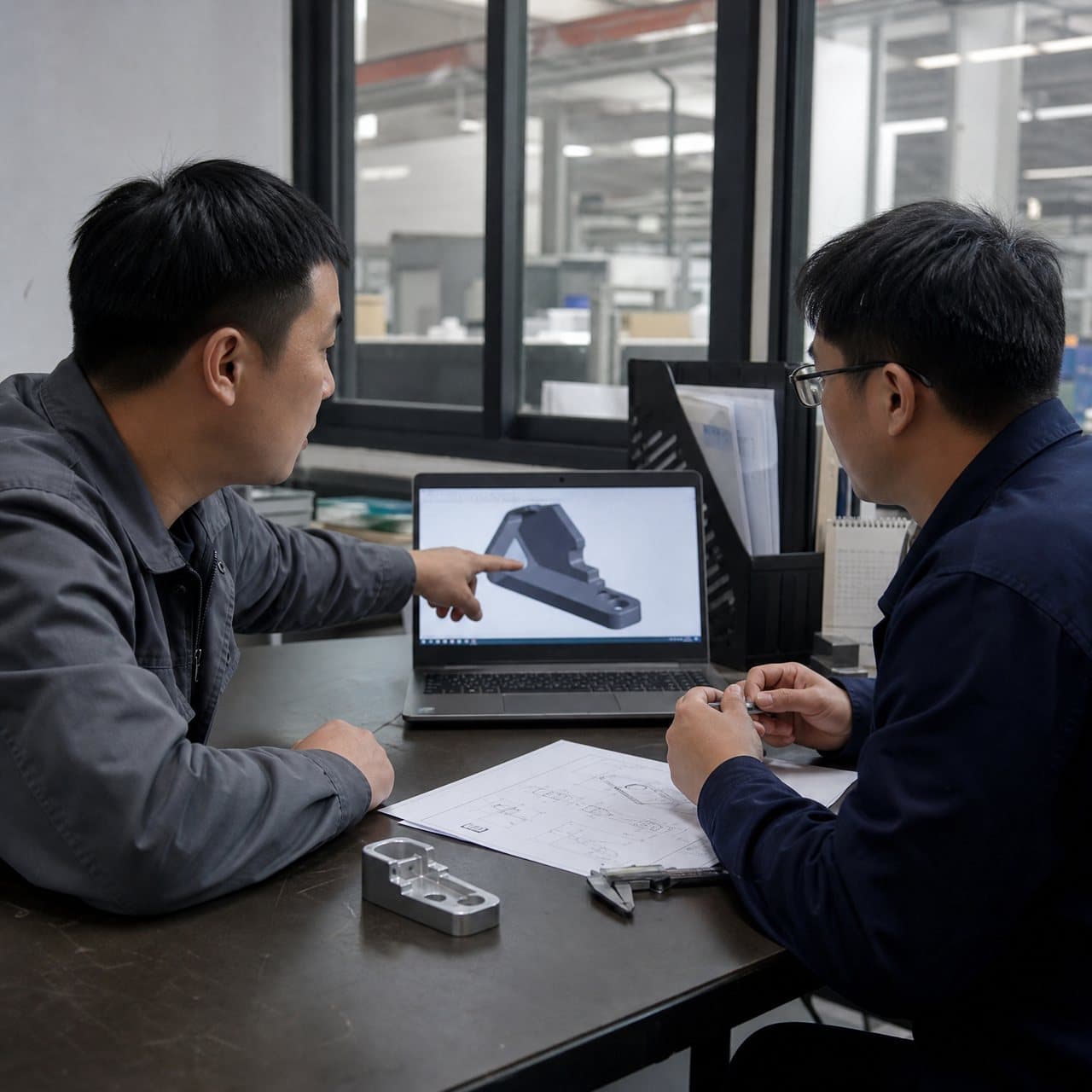
Ask who owns and maintains dedicated fixtures, gauges, nests and test equipment. The quote should identify whether tooling is one-time, reusable across revisions, included in piece pricing or separately charged. Fixture datum strategy should also connect to the [injection mold design and DFM](/injection-mold-design-dfm) review so that molded reference features are designed for reliable downstream location rather than added as an afterthought.
04
4. Compare quality evidence and change control at the operation boundary
A supplier comparison is incomplete without the evidence package. Request the proposed control plan or equivalent outline for critical assembly characteristics: joint presence, hardware identity, torque, insertion depth, adhesive lot and cure, weld or stake result, marking position, cleanliness, functional test and final appearance. For each check, record method, frequency, reaction plan, traceability and disposition authority. The [quality](/quality) page can frame the discussion, but the purchase agreement should state the actual records and retention period.
Review how the supplier will distinguish molded-part defects from downstream defects. Incoming checks should identify the part revision, cavity or lot where relevant, while assembly records should identify operator or station, component lots, fixture version and test result. A finished unit that passes a final visual check may still hide a missing internal component, so use layered controls where the product risk warrants them.
Set change triggers before production. A resin, molded-part revision, purchased component, adhesive, artwork, fixture, test method, subcontractor or assembly sequence change may affect fit or performance. Require notification, impact review, sample or requalification expectations and approval authority. For higher-risk programmes, connect the evidence to FAI, PPAP or another agreed release framework instead of accepting an undocumented ‘process improvement.’
| Risk area | Evidence to request | Typical reaction when it fails |
|---|---|---|
| Component identity and presence | Lot or serial trace, scan or verified pick, presence check and reconciliation. | Contain affected units, identify the boundary and investigate component or station error. |
| Joint or fastening | Torque, insertion, weld, stake, bond or pull-test result as applicable. | Hold product, verify the joint population and use an approved disposition route. |
| Appearance and marking | Approved sample, artwork revision, lighting or viewing convention and inspection record. | Segregate, review against the reference and control rework or concession. |
| Functional performance | Defined test method, equipment status, limits, result and calibration or verification record. | Stop release until failed units and test-system validity are understood. |
| Traceability | Part, component, fixture, operator or station, date and finished-unit identity. | Limit the affected population and preserve records for root-cause review. |
05
5. Use a weighted scorecard and a staged release decision
Build a scorecard that separates mandatory gates from weighted preferences. Mandatory gates might include technical feasibility, approved material or component use, required certifications, traceability, confidentiality and a defined final test. Weighted criteria can then compare interface risk, evidence quality, fixture ownership, capacity resilience, communication, rework controls and commercial clarity. Do not let a low unit price compensate for a proposal that excludes a required operation or leaves acceptance undefined.
Ask shortlisted suppliers for the same sample plan: representative molded parts, mating components, proposed fixtures, process samples and a draft inspection record. Record open assumptions and decide which must be closed before tooling, which can be closed during a controlled pilot, and which belong to production monitoring. A pilot should have a stated exit condition, not merely a quantity target.
The final purchase package should name the finished-unit revision, operation boundary, supplied content, fixture and gauge ownership, quality records, change-notification route, nonconformance process, packing and handoff requirements. Send the controlled package through [request-a-quote](/request-a-quote) so InjeForm can review molding, secondary work and assembly as one connected programme.

Practical takeaway
Before you move
to the next review.
- Give every supplier the same finished-unit drawing, assembly tree, component list, revision status and acceptance requirements.
- Normalize operation boundaries, supplied content, exclusions, manual steps, subcontracting, rework and final release ownership before comparing prices.
- Request a process rationale and part-specific verification plan for joining, inserting, decorating, bonding, testing or other downstream operations.
- Compare fixture, gauge, staffing, capacity and changeover assumptions using accepted finished assemblies rather than theoretical machine output.
- Score evidence, traceability, change control and pilot exit criteria, then record the approved process and remaining risks in the purchase package.
FAQ
Common questions
Should buyers compare secondary operations by unit price first?
No. First make scope, supplied components, acceptance criteria, fixtures, inspection and rework boundaries comparable. A lower figure may exclude a test, component, fixture or final release activity that another supplier has included.
How can a buyer compare two different assembly methods fairly?
Define the same finished-unit requirement and ask each supplier to explain interface fit, process risks, verification evidence, serviceability, change controls and pilot conditions. Compare the documented risk and evidence, not only the operation name.
What fixture information should an injection molding assembly quote include?
Request the locating datum concept, loading and unloading method, mistake-proofing, inspection or test interfaces, revision control, ownership, maintenance responsibility and the conditions that would require a fixture change.
Who should approve the finished assembly?
The product owner or delegated quality authority should define and approve the acceptance basis. The supplier is responsible for performing the agreed controls and providing records; a supplier capability statement does not replace product approval.
When should a buyer require a pilot before production release?
Use a pilot when the interface, joining route, component supply, fixture, test method or manual sequence has meaningful uncertainty. Define sample conditions, records, failure handling and an explicit exit decision before the pilot starts.
References
Source material
- [1] ISO, “ISO 9001 — Quality management systems.”
- [2] AIAG, “Quality Core Tools.”
- [3] U.S. National Institute of Standards and Technology, “Measurement System Analysis.”
- [4] U.S. Food and Drug Administration, “Process Validation: General Principles and Practices.”
- [5] TWI, “What is Ultrasonic Welding and How Does it Work?”
This guide is general information for early procurement and engineering discussion. It does not replace product-specific DFM, qualification, validation, regulatory assessment or legal advice.