
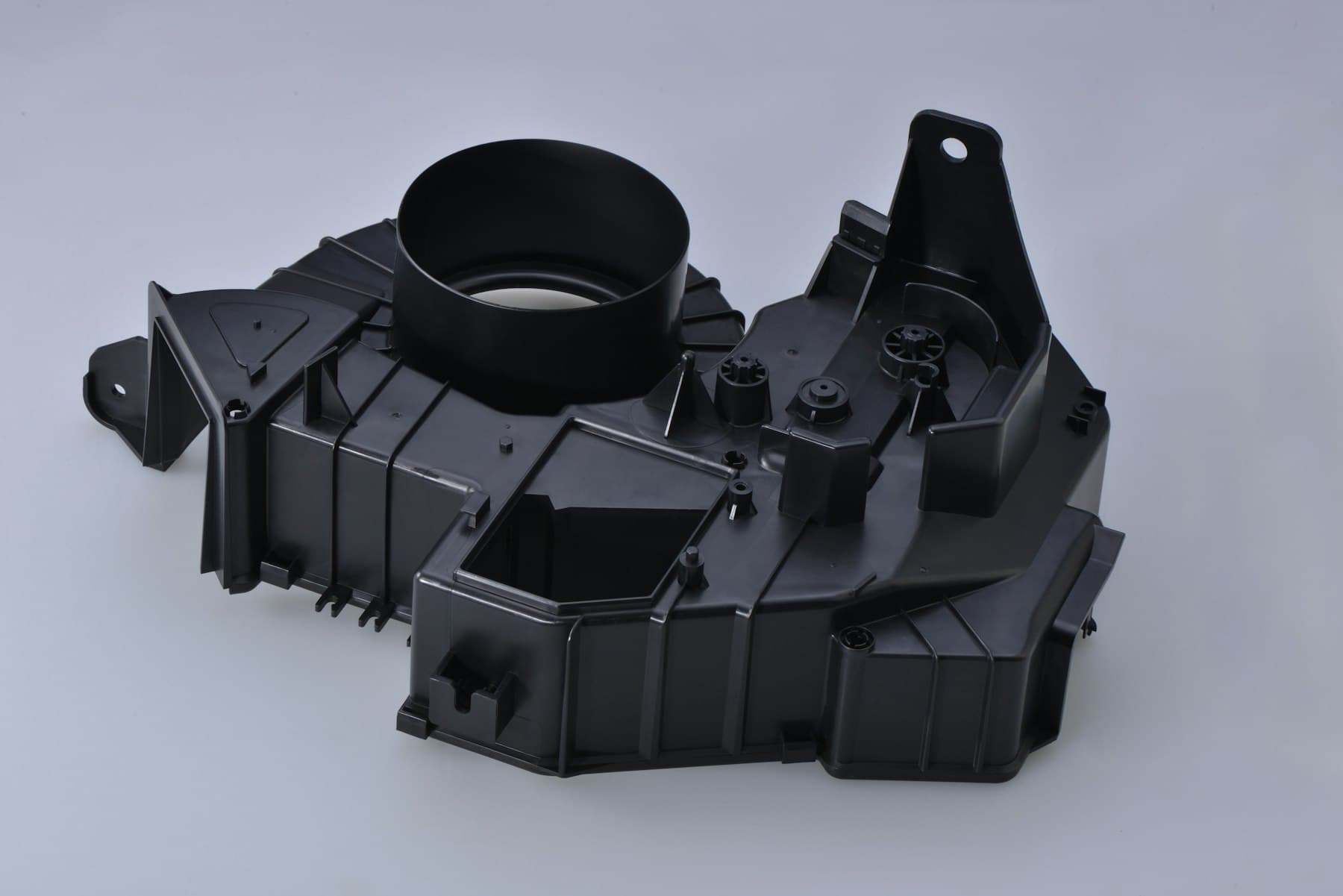
 01
DFM & Moldflow Review
Review geometry, wall transitions, draft, gating, shrinkage and parting logic before tool steel is cut.
Read buyer guidance →Injection molding capabilities
Technical review, mold tooling, controlled molding and coordinated finishing—structured around the actual requirements of your injection molded part.
For OEM and product teams across Europe, North America & the Middle East
Scope the right route
The useful question is not simply whether a factory can mold a part. It is whether the DFM, tooling concept, material controls, sampling plan and release criteria fit the part’s function, appearance and volume.
InjeForm helps product and procurement teams make those choices visible early, then carries the agreed plan through tooling and production.
What we support
Each stage is planned in relation to the next, so decisions made in review can be carried into the mold, the molding cell and final release.
01Review geometry, wall transitions, draft, gating, shrinkage and parting logic before tool steel is cut.
Read buyer guidance →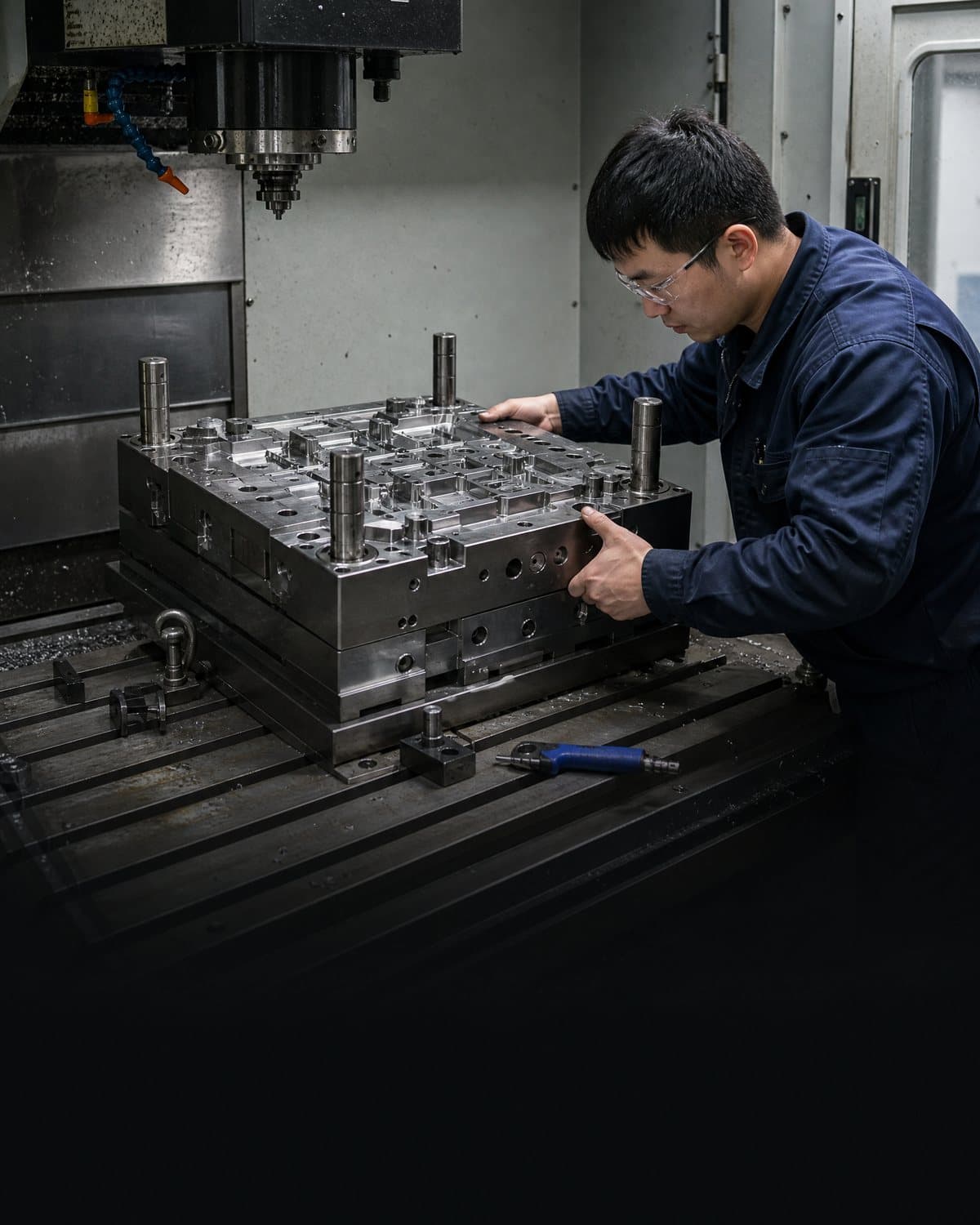 02
Plan the appropriate cavity count, tool steel, cooling and ejection approach for the intended resin and volume.
Read buyer guidance →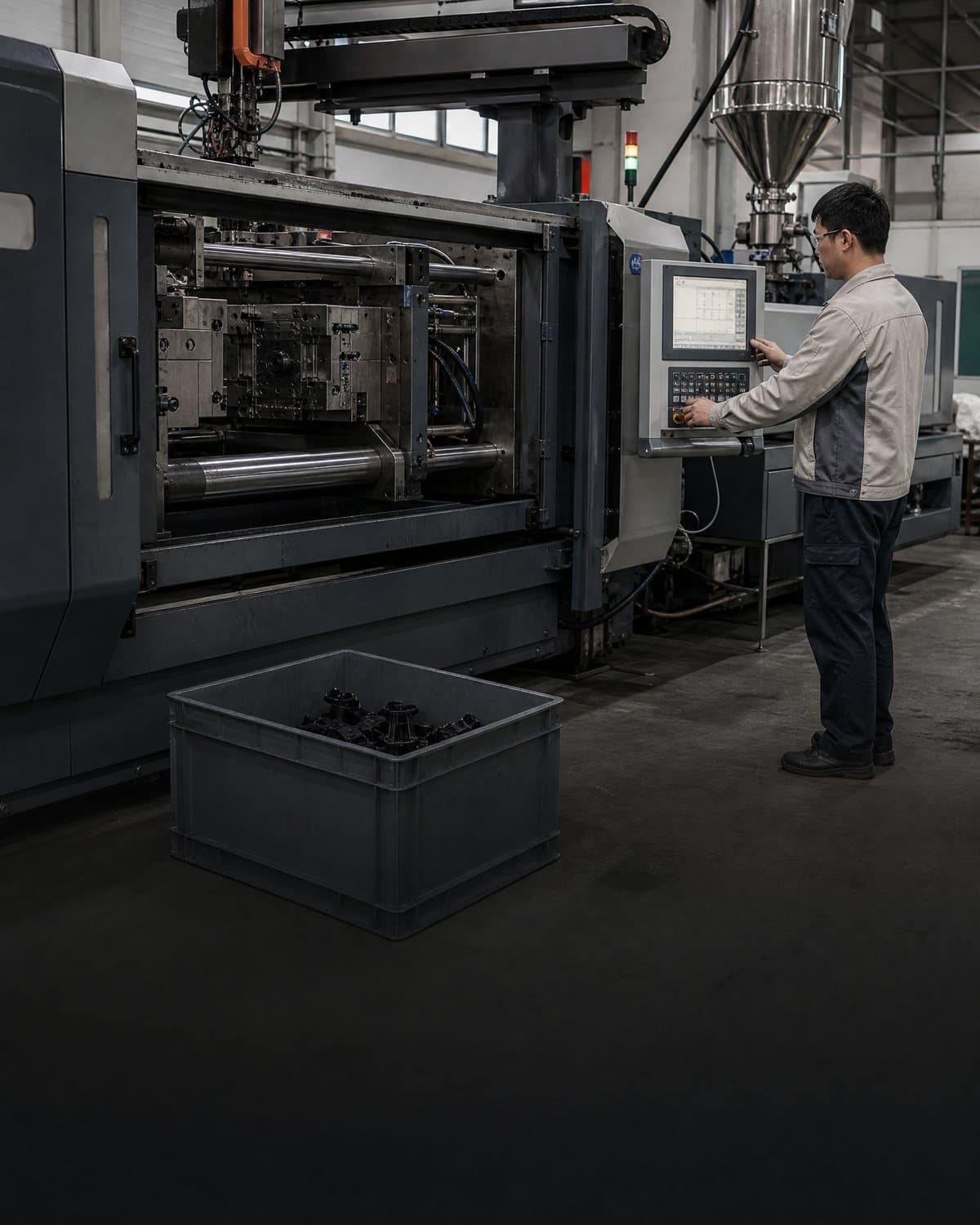 03
Move from prototype and bridge production to repeatable molding with defined parameters and inspection points.
Read buyer guidance → 04
Coordinate inspection, assembly, printing, packing and shipment documentation around the approved part standard.
Read buyer guidance →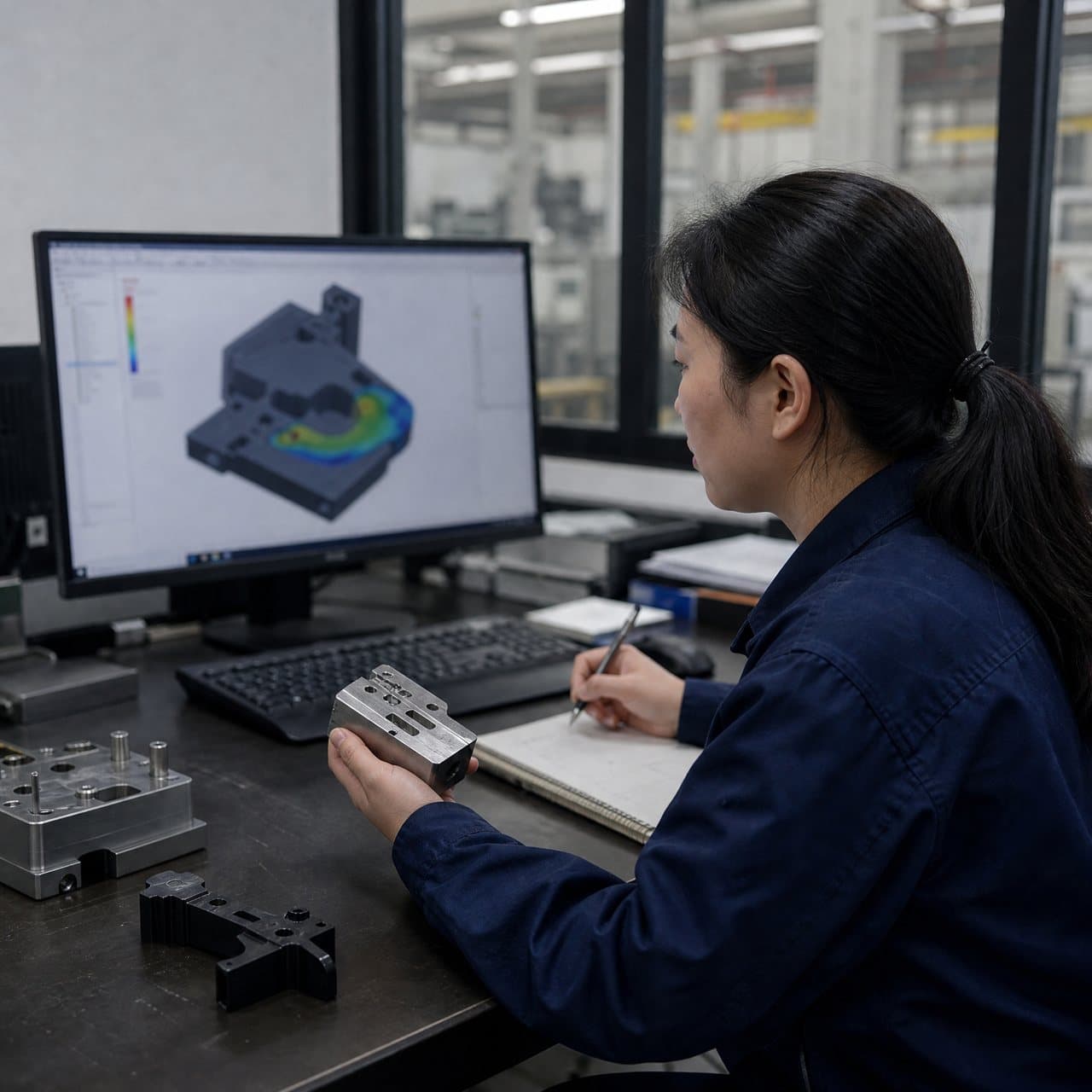
Start with the technical brief
A complete RFQ is not required to begin a productive discussion, but the more context available, the more specific the engineering feedback can be.
Start a technical conversation
Share the drawing, resin, target volume and timing. We will return with focused questions and a practical next step.