
Seals, valves, diaphragms and flexible medical components
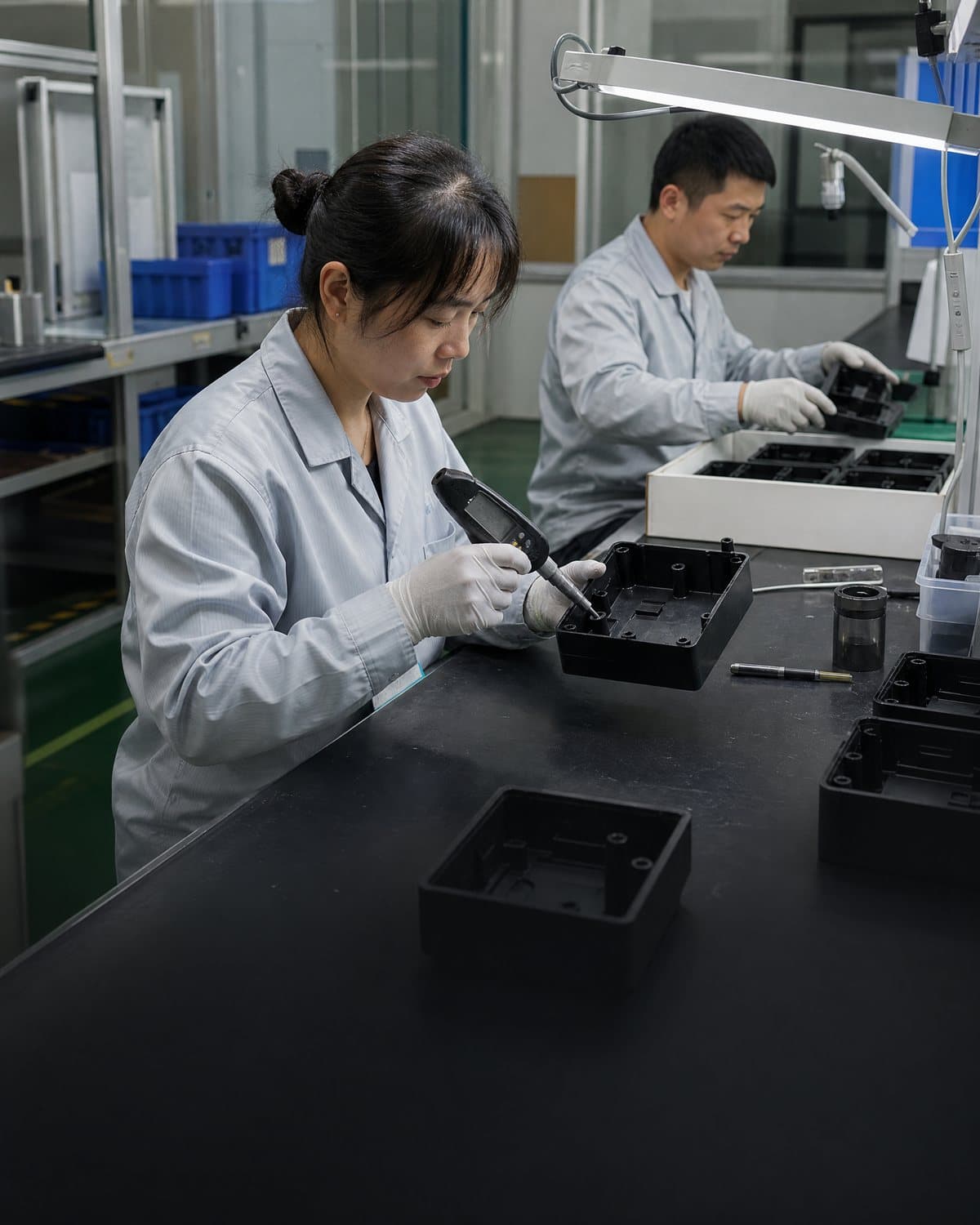
Medical silicone and elastomer programs
Medical LSR and silicone
injection molding.
Plan medical silicone and LSR molding discussions around material approval, tooling, flash control, cleanliness, validation and customer requirements.
InjeForm
For OEM and product teams across Europe, North America & the Middle East
A practical sourcing route
Make the next
decision clearer.
Medical silicone and LSR parts require careful control of material, tooling, flash, vents, cure conditions, handling and validation. InjeForm can help frame the manufacturing discussion while the customer defines the intended use and applicable regulatory requirements.
Buyer-led scopeEngineering evidenceControlled handover
Project fit
Where this route
helps most.
Start with the questions that affect tooling, quality, timing and total program risk.
Medical and biopharma programs using LSR or silicone
Teams evaluating two-shot, insert or automated molding routes
What buyers can align
Evidence that supports
the next gate.
Scope the work around decisions and records—not broad promises.
Material and supplier-approval discussion
Defined with the part, tool, material, volume and acceptance requirements in scope.
Tooling, venting, flash and cure-risk review
Defined with the part, tool, material, volume and acceptance requirements in scope.
Handling, cleanliness and inspection scope
Defined with the part, tool, material, volume and acceptance requirements in scope.
Customer-defined validation and documentation plan
Defined with the part, tool, material, volume and acceptance requirements in scope.
Decision framework
Compare the
trade-offs.
| Risk area | What to define | Evidence to discuss |
|---|---|---|
| Material | Grade, cure system, colour and compatibility | Approved material and lot records |
| Tooling | Vents, flash lines, inserts and demolding | Tool review and sample observations |
| Validation | Function, cleanliness and acceptance | Protocol, samples and customer approval |
How the conversation moves
From brief to
controlled next step.
Use the first conversation to identify what is known, what is open and what evidence should come next.
- 01
Share intended use, material direction, geometry and customer requirements.
- 02
Review tooling, cure, flash, handling and inspection assumptions.
- 03
Define validation evidence and approval responsibilities.
- 04
Release production only after the customer requirements are confirmed.
Buyer questions
Clear answers before
you commit.
Does medical LSR molding automatically make a part compliant?+
No. Compliance depends on intended use, product classification, material documentation, quality system, validation and customer or regulatory requirements.
What makes LSR molding different from thermoplastic molding?+
LSR involves elastomer material handling and curing behavior, with specific tooling, venting, flash, demolding and process-control considerations.
Can silicone parts be overmolded onto other materials?+
Potentially, but compatibility, adhesion or mechanical retention, insert preparation, tooling sequence and validation must be evaluated for the specific design.
Start a technical conversation
Bring us your
next part.
Share the drawing, resin, target volume, market and timing. We will return with focused questions and a practical next step.