
Cosmetic injection molded parts can be dimensionally conforming at the factory and still arrive with scuffs, crushed features, stains or mixed lots. The packaging specification is therefore a procurement control, not a last-minute logistics note. It should describe what surfaces may touch, how the load is supported, how cartons may be stacked, when moisture controls are justified, and what evidence is captured before handover.
This guide is intentionally different from a generic export-packing overview. It gives buyers an approval and evidence framework for cosmetic parts: define the failure modes, request a pack-out proposal, approve a representative trial, and retain records that help distinguish manufacturing damage from transport damage. InjeForm can review these requirements through its [request-a-quote](/request-a-quote) process and connect them with [injection molding](/injection-molding) and [quality](/quality) discussions.
Approve packaging against the part's cosmetic zones and the planned route. A carton rating or desiccant count alone does not prove that the molded surfaces will survive stacking, vibration, humidity and receiving handling.
01
1. Translate cosmetic risk into a pack-out specification
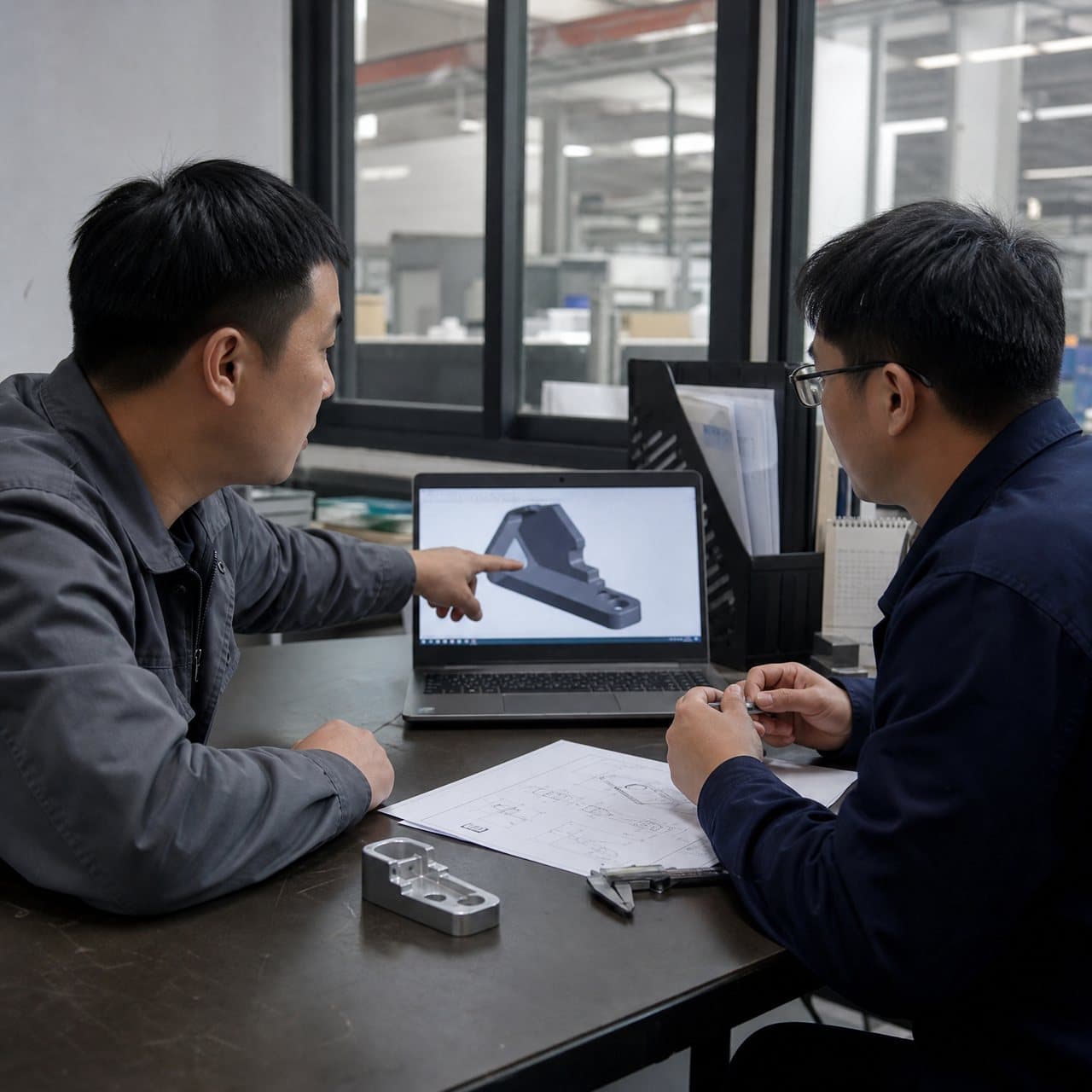
Start with a marked-up part image or drawing. Identify Class-A or customer-facing surfaces, gloss or texture, transparent windows, painted or printed areas, sealing lands, clips, datum features and edges that must not bear load. State whether parts may touch one another, whether a separator may contact a cosmetic face, and whether the receiving team needs trays, bags or line-side presentation. A supplier should not infer these rules from the CAD model alone.
Describe the expected failure modes in buyer language: abrasion, pressure marks, deformation, flash breakage, contamination, colour transfer and moisture staining. Ask for a packaging concept showing orientation, contact points, inner-pack quantity, carton quantity and any protective material. Keep the released part revision, resin, finish and approved packaging revision on the same purchase-order or quality record so a later change is visible.
The packaging proposal is not a substitute for product acceptance. Use the [DFM and tool-design](/dfm) conversation to resolve features that are inherently vulnerable, then make the packaging instruction protect the agreed result.
| Cosmetic risk | Buyer specification | Evidence to approve |
|---|---|---|
| Surface rubbing | No uncontrolled face-to-face contact; define separator material and orientation. | Representative packed sample and visual inspection record. |
| Compression or bending | Identify unsupported spans and maximum load-bearing zones. | Stack test basis, carton/pallet pattern and deformation check. |
| Contamination | Define acceptable bag, liner, dust and oil condition. | Cleanliness check and packaging-material declaration where needed. |
| Mixed identity | Keep part number, revision and lot traceable at inner and outer levels. | Label photos reconciled to packing list and production records. |
02
2. Specify inner protection and stacking with a load path
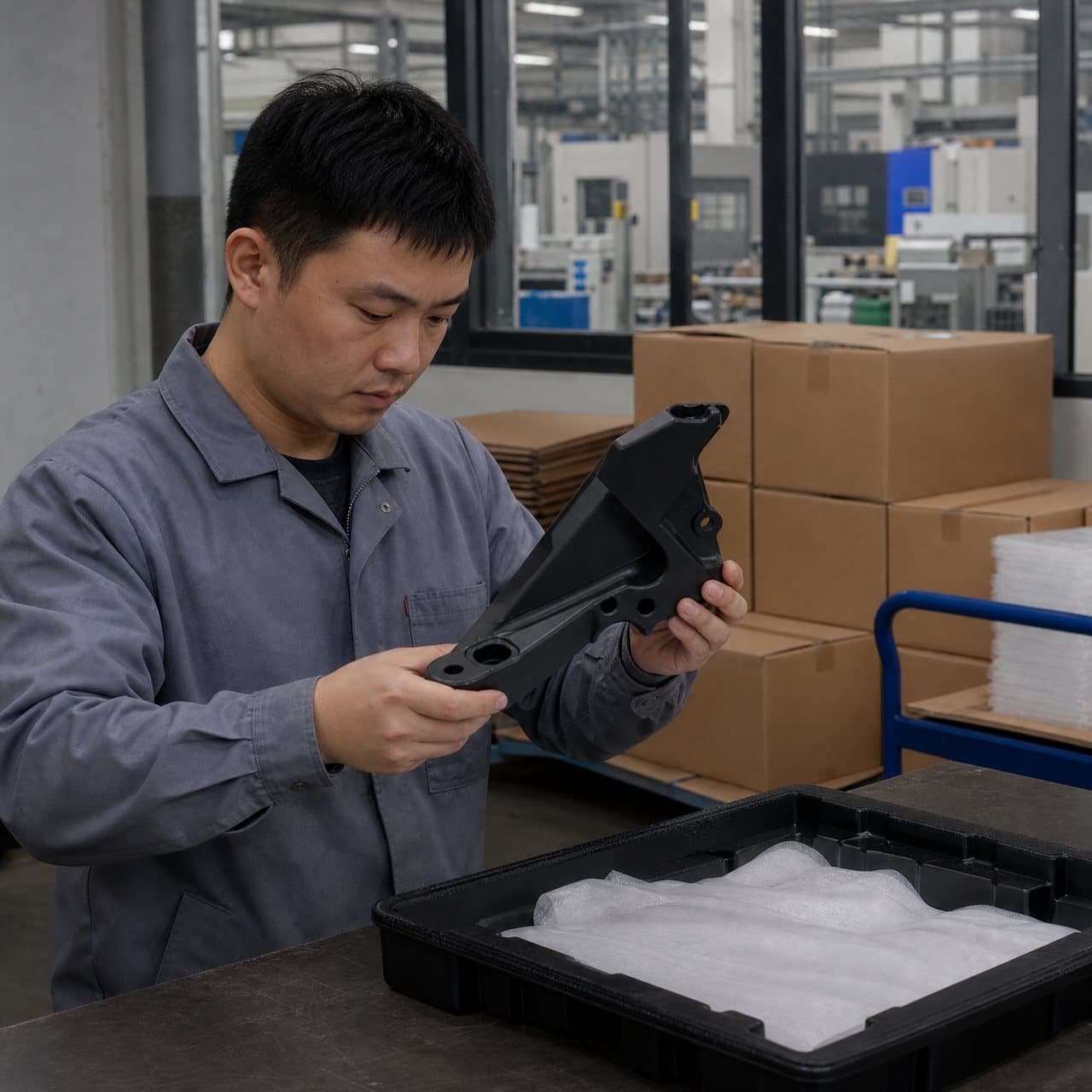
Choose the inner pack around the part's weakest feature, not the carton's appearance. Formed trays, dividers, sleeves, bags, edge guards or approved cushioning may each be suitable, but the proposal should show how parts are located and removed without dragging a cosmetic face across a hard surface. Avoid loose fill when fragments, static, dust or entanglement could affect the product or receiving process.
Require the supplier to state the stack pattern, cartons per layer, pallet footprint, maximum planned stack height, top-load path and restraint method. The bottom carton should not receive concentrated force through a delicate part. If cartons are mixed or a pallet may be broken down, specify which packages can safely be stacked and how partial pallets are secured. ISO 2234 describes a method for determining stacking strength, but the selected test conditions and acceptance criteria remain project-specific.[1]
Ask for a short pack-out drawing or photograph annotated with orientation arrows, separators, corner protection, pallet overhang, stretch wrap and straps. Treat a generic ‘handle with care’ marking as supplementary; it cannot replace structural support and a defined handling method.
03
3. Make the moisture decision evidence-based
Do not automatically require a moisture-barrier bag or desiccant for every plastic part. First separate the possible mechanisms: moisture absorbed by a hygroscopic resin before molding, condensation during storage or transit, wet corrugated board or wood, and water-sensitive coatings, labels or inserts. The correct control depends on resin, part temperature at packing, route, season, storage duration, container conditions and destination climate.
If the risk assessment supports moisture control, specify the barrier or liner, closure method, desiccant type and quantity basis, humidity indicator if used, and the opening or replacement instruction. Require dry packaging materials and a record of what was inserted into each carton or pallet. The CTU Code notes that moisture already present in cargo or packing can undermine a drying plan; a sachet is not proof of a controlled environment.[2] Keep resin drying requirements separate from export-packaging requirements and address them in the [quality](/quality) and process records.
Define the acceptance evidence rather than promising a universal shelf life or humidity limit. A useful record identifies the pack date, lot, barrier status, desiccant or indicator status, closure, storage instruction and any exception approved by the buyer.
04
4. Build identification and shipment-damage evidence into the purchase order
Labels should let a receiver identify the part without opening every carton. Specify part number, drawing or packaging revision, lot or batch, quantity, carton sequence, purchase-order or shipment reference, gross and net weight where required, and handling orientation. Add barcodes only after confirming that the receiving system can read and use them. The packing list and physical labels must reconcile; a compliant-looking label on the wrong revision is still a traceability failure.
Before collection, require photographs or a loading record that shows the empty container or vehicle condition, packed inner units, pallet pattern, restraints, labels, moisture controls where visible, final package condition and seal. These records do not prove that no damage will occur, but they establish the condition and configuration at handover. ISO 780 provides graphical handling-symbol guidance, while ISPM 15 applies to regulated wood packaging; neither standard establishes that a particular pack is adequate for a cosmetic molded part.[3][4]
Specify who keeps the records, for how long, and who may release the shipment. InjeForm's [export molding](/export-injection-molding) and [process](/process) information can support the discussion, but the signed packaging instruction, logistics agreement and destination requirements should control the actual shipment.
05
5. Approve the pack-out and define the claim path
Use a representative packaging trial before production shipment. Select parts that include the most sensitive finishes and features, pack them exactly as proposed, then inspect before release. Depending on the route and risk, the buyer and supplier may agree a stack, vibration, compression, climate-conditioning or handling simulation; do not treat an informal drop test as a universal qualification. Record the test configuration, sample quantity, route assumptions, inspection method, results, deviations and approval authority.
Write the receiving procedure in two stages. First record package count, labels, seal, wetting, puncture, crushing, tampering and other external conditions before opening. Then inspect affected parts against the agreed visual standard, quantity, lot and any functional check. Quarantine questionable cartons when appropriate, preserve packaging and photographs, and notify the carrier, insurer and supplier within the contractual time window. A wet carton is evidence of exposure, not automatic proof that every part is unusable.
Put the claim boundary in the commercial file: named Incoterms rule and place, risk handoff, notification deadline, required photographs, survey expectations, disposition authority and replacement or rework route. Request a quote that lists packaging, inspection, loading evidence and freight assumptions separately through [request a quote](/request-a-quote), so the buyer can compare protection and accountability rather than only carton cost.

Practical takeaway
Before you move
to the next review.
- Mark cosmetic zones, fragile features, permitted contact surfaces, contamination limits and inner-pack orientation on the controlled part or packaging record.
- Require a pack-out drawing or sample showing separators, quantities, carton strength basis, pallet pattern, stack limit, restraint and handling points.
- Decide moisture controls from resin, packaging, route and storage evidence; document barrier, closure, desiccant or indicator requirements only when justified.
- Reconcile labels, lot identity, package counts, weights, packing list, loading photographs, seal record and approved packaging revision before release.
- Define receipt inspection, quarantine, evidence preservation, notification deadlines, Incoterms risk handoff and the authority for disposition or claims.
FAQ
Common questions
Should every cosmetic molded part be individually wrapped?
No. Individual wrapping may reduce rubbing or contamination, but it can add handling, static, residue and disposal risks. Approve the smallest effective protective interface through a representative pack-out trial.
How should buyers set a maximum stacking height?
Base it on the carton, pallet, part orientation, load path, route and receiving conditions. Ask the supplier to show the stack pattern and proposed evidence; do not set a universal carton count without testing or engineering justification.
Do plastic injection molded parts always need desiccant?
No. Desiccant is appropriate only when the identified moisture mechanism and route justify it. Specify the barrier, closure, quantity basis and record; moisture already present in cargo or packaging can defeat the control.
What photographs help prove export packaging damage?
Keep time-stamped or otherwise traceable images of external package condition, labels, seal, wetting, crushing, pallet restraint, inner protection and affected parts, alongside the packing list and transport record.
Who is responsible when parts arrive cosmetically damaged?
Responsibility depends on the contract, packaging scope, agreed acceptance criteria and Incoterms risk handoff. Preserve evidence and notify the named supplier, carrier, insurer and buyer contacts within the agreed window before altering or discarding the pack.
References
Source material
- [1] ISO, “ISO 2234:2000 Packaging — Complete, filled transport packages — Stacking tests using a static load.”
- [2] UNECE, “Code of Practice for Packing of Cargo Transport Units (CTU Code).”
- [3] ISO, “ISO 780:2015 Packaging — Distribution packaging — Graphical symbols for handling and storage of packages.”
- [4] International Plant Protection Convention, “ISPM 15: Regulation of Wood Packaging Material in International Trade.”
- [5] International Chamber of Commerce, “Incoterms® 2020.”
- [6] U.S. Department of Transportation, Pipeline and Hazardous Materials Safety Administration, “Packaging and Handling.”
This guide is general information for early procurement and engineering discussion. It does not replace product-specific DFM, qualification, validation, regulatory assessment or legal advice.