
New supplier qualification and sourcing teams
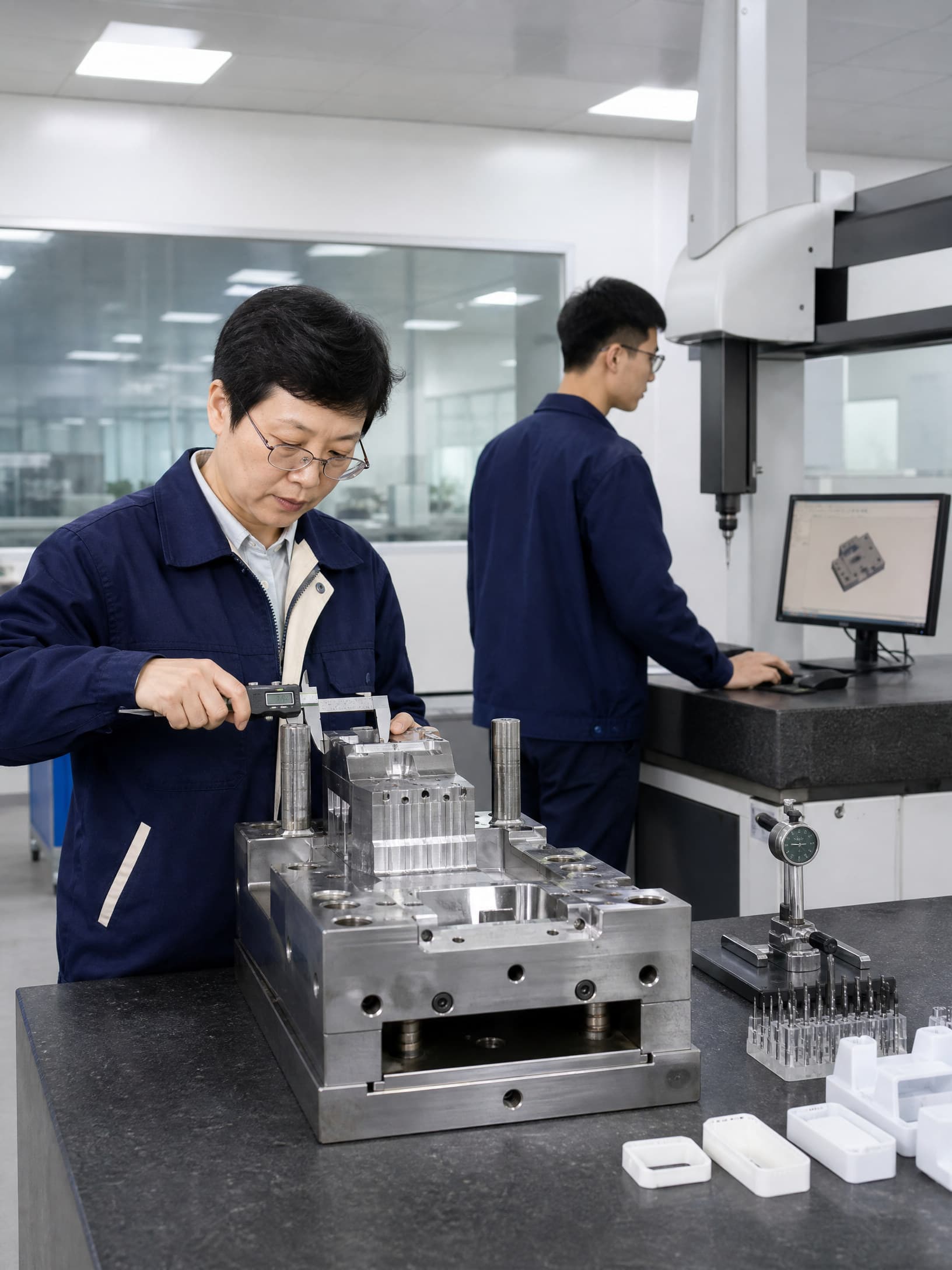
Supplier qualification before award
Assess injection molding
supplier capability.
Evaluate injection molding suppliers on engineering, tooling, process control, quality, traceability, capacity and commercial readiness.
InjeForm
For OEM and product teams across Europe, North America & the Middle East
A practical sourcing route
Make the next
decision clearer.
Supplier capability is broader than a machine list or a low quotation. Buyers should verify whether the supplier can manage the geometry, material, volume, quality evidence, tool ownership and delivery route required by the program.
Buyer-led scopeEngineering evidenceControlled handover
Project fit
Where this route
helps most.
Start with the questions that affect tooling, quality, timing and total program risk.
OEMs moving from prototype to production
Buyers who need evidence beyond a capability brochure
What buyers can align
Evidence that supports
the next gate.
Scope the work around decisions and records—not broad promises.
Engineering and DFM capability questions
Defined with the part, tool, material, volume and acceptance requirements in scope.
Tooling, machine and material-handling review
Defined with the part, tool, material, volume and acceptance requirements in scope.
Quality, traceability and corrective-action checklist
Defined with the part, tool, material, volume and acceptance requirements in scope.
Commercial, capacity and continuity questions
Defined with the part, tool, material, volume and acceptance requirements in scope.
Decision framework
Compare the
trade-offs.
| Capability | Evidence to request | Buyer decision |
|---|---|---|
| Engineering | DFM, material and tooling assumptions | Can the supplier identify risk before steel? |
| Production | Press range, process records and capacity | Can the planned part run repeatably? |
| Quality | FAI, traceability, CAPA and capability data | Can evidence support the customer gate? |
How the conversation moves
From brief to
controlled next step.
Use the first conversation to identify what is known, what is open and what evidence should come next.
- 01
Define the part-specific capability requirements.
- 02
Request evidence and identify scope or certificate limitations.
- 03
Review open risks with the supplier’s engineering team.
- 04
Award only after capability and responsibility are documented.
Buyer questions
Clear answers before
you commit.
Is ISO 9001 enough to qualify an injection molding supplier?+
ISO 9001 indicates a quality management framework but does not prove fit for a particular geometry, resin, tolerance or production volume. Part-specific evidence is still needed.
What is a major supplier capability red flag?+
A complex part receives a quick quote with no DFM feedback, no stated assumptions and no questions about material, volume or acceptance criteria.
What should a supplier audit cover?+
Review engineering, toolmaking, press capacity, material drying, process control, inspection, traceability, CAPA, maintenance, capacity, business continuity and commercial responsibilities.
Start a technical conversation
Bring us your
next part.
Share the drawing, resin, target volume, market and timing. We will return with focused questions and a practical next step.