
Before approving a new injection molding supplier, verify that the supplier can make your specific part repeatedly—not merely that it can show a capable-looking factory. Request a controlled technical review, material and measurement evidence, a part-specific injection molding inspection plan, defined change control, and a realistic production and logistics plan. Approve in stages: supplier qualification, tooling or process evidence, first-article evidence, then ongoing performance review. A certificate, sample, or low quote can support the decision, but none replaces program-specific evidence.
Buyer rule: approve the evidence package and acceptance criteria, not a promise of capability. If a requirement is critical, define how it will be measured, recorded, contained, and escalated before purchase order release.
01
Start with the part, not the supplier brochure
A sound approval begins with a complete technical baseline. Give each candidate the current 3D model, controlled drawing, annual and release-volume assumptions, resin specification, colour or appearance standard, packaging needs, applicable regulatory obligations, and critical-to-quality (CTQ) features. For Europe, the United States, and the Middle East, state the destination, shipping terms, and customer-specific documentation early. Decide which requirements are contractual acceptance criteria and which are preferences.
Ask the injection molding manufacturer for a written feasibility response, not a generic capability list. It should state assumptions about material, parting line, gate, draft, tolerance, shrinkage, cosmetic surfaces, inserts, secondary operations, testing, and risks. A supplier that identifies open questions and proposes controlled resolution is generally easier to manage than one that accepts every requirement without comment. Use this response as the baseline for later samples and changes.
For safety-, regulatory-, or performance-critical programs, involve the responsible engineering and quality functions in the approval criteria. Do not infer suitability from work in another market or from a claim of industry experience. Confirm the required part, material, test method, records, and approvals for this program.
02
Verify the operating quality system and ownership of evidence
Review how the supplier controls work, not only whether it presents a certificate. ISO 9001:2026 describes a quality management system around planned and controlled operations, documented information, performance evaluation, and improvement [1]. If a supplier cites certification, ask for the certificate scope, legal entity, site address, issuing body, validity, and whether the proposed production site is covered. Certification can increase confidence, but it does not approve a part or replace your own technical qualification.
Request suitably redacted examples of document control, incoming material identification, nonconforming-product segregation, corrective action, operator instructions, and final-release authority. Establish who can approve deviations and engineering changes, and whether sub-tier processing or assembly may be used. Require written buyer authorization before a resin, colourant, tooling component, process route, inspection method, or production location changes an agreed requirement.
For remote sourcing, verify the physical site and responsible legal entity separately. Use a live interview, video tour, document review, independent audit, or a combination suited to risk. Match certificate and report addresses to the proposed production site, and confirm escalation contacts and working language for technical changes, quality notifications, and shipment holds.
| Approval area | Evidence to request | Risk if unverified | Practical buyer decision |
|---|---|---|---|
| Technical fit | DFM response, assumptions log, controlled drawing review | A sample passes while production uses different assumptions | Close open technical issues before tooling release |
| Quality system | Certificate scope if relevant, procedures, corrective-action example | Records or containment cannot support a recurring issue | Approve only with named controls and owners |
| Measurement | Inspection plan, method, gage list, calibration and uncertainty evidence | Reported dimensions are not comparable or defensible | Link each CTQ to method, frequency, and report |
| Production readiness | Proposed press range, tooling plan, capacity basis, maintenance and contingency plan | Quoted output may not be available when orders release | Validate assumptions against forecast and run-rate evidence |
| Supply-chain control | Resin identification, approved sub-tier list, packaging and export plan | Unannounced substitution, damage, or traceability gaps | Set approval and change-notification rules in writing |
03
Test measurement credibility before relying on an inspection report
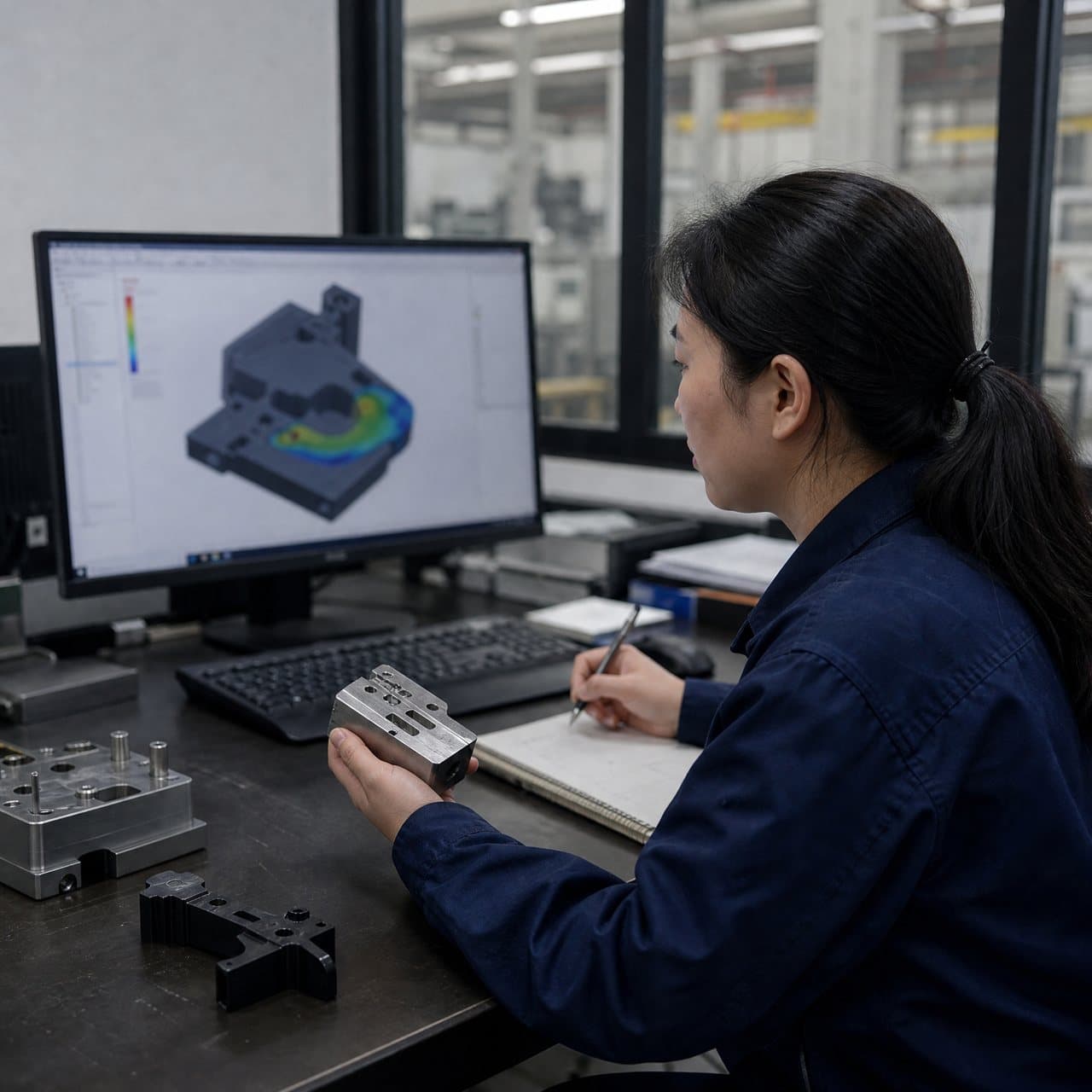
An injection molding inspection report is useful only when its method fits the requirement. For each CTQ, agree the datum scheme, nominal and tolerance, instrument or fixture, method, frequency, acceptance rule, and report format. For visual requirements, use approved limit samples, images, or defined defect criteria; “good appearance” cannot be inspected consistently.
Ask how the supplier controls calibration and verifies fixtures, CMM programs, handheld gages, and test equipment. NIST defines metrological traceability as a documented, unbroken chain of calibrations to a reference, with each link contributing to measurement uncertainty [2]. Traceability alone does not prove the method is fit for the tolerance, so assess uncertainty, resolution, fixturing, operator technique, and part condition.
Use a first-article or initial-production package to test the system. Where risk warrants, compare key dimensions with the buyer’s or an agreed independent method. Review cavity identification, material lot identification, defined process window, visual results, functional tests, and deviations. On failure, require documented containment, root cause, correction, and verification before release.
04
Make sampling and ongoing control part-specific
Do not copy an AQL value into an RFQ without defining the lot, defect classes, inspection level, sample selection, and action after rejection. ISO 2859-1:2026 provides AQL-indexed single, double, and multiple sampling schemes for lot-by-lot attribute inspection [3]. It can structure receiving or final checks, but it does not replace process controls, 100% checks where justified, or capability evidence for variable CTQs.
Separate critical, major, and minor defects by product risk and customer expectation. An omitted insert, wrong resin, or failed safety function may require containment or 100% verification rather than ordinary sampling. A minor cosmetic issue may be sampled if the acceptance standard is clear. Agree whether the supplier, buyer, or an independent inspector owns sampling, and use one approved revision and record set.
Plan ongoing injection molding quality control before approval. Define lot traceability, retention samples where needed, change notification, audit rights, complaint response, shipment release, and scorecard measures such as defects, response quality, and on-time delivery. Re-evaluate approval through evidence, not as a permanent one-time status.
05
Check capacity, tooling stewardship, and cross-border execution
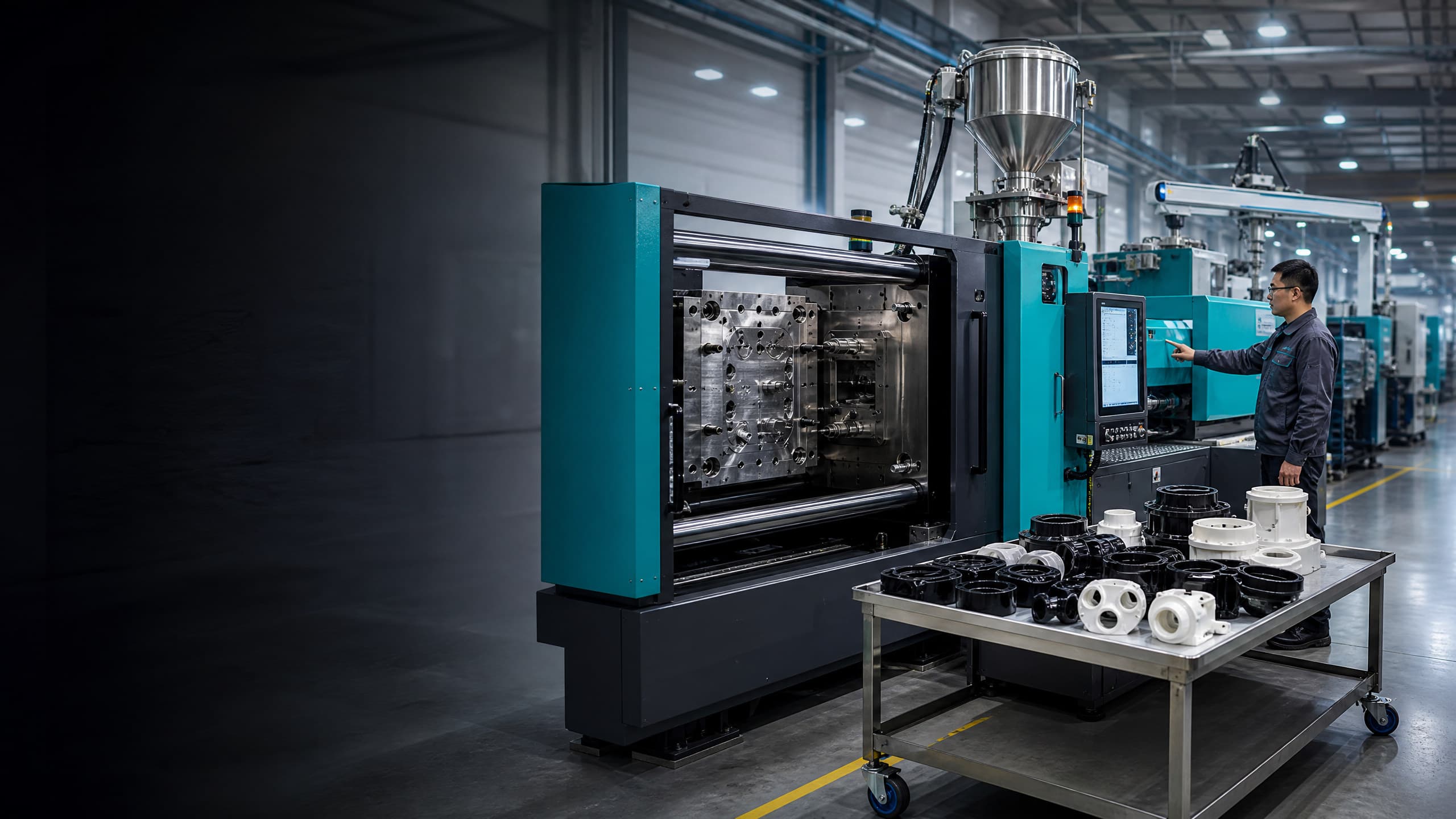
Capacity claims need a transparent basis. Request the proposed press range, cavity count, target cycle-time assumption, shifts, expected yield, maintenance allowance, competing demand, and downtime recovery plan. Do not turn theoretical machine hours into a delivery commitment without checking material supply, labor, inspection, secondary operations, packing, and freight handoff.
For buyer-owned tooling, document ownership, identification, storage, maintenance triggers, spares, access to records, modification authorization, and transfer terms. For offshore supply, define the commercial party, payment milestones, current Incoterms and named place, export packing, documents, and pre-shipment release. Obtain legal, customs, and product-compliance advice for the actual destination and product.
Run a managed pilot before broad approval when risk justifies it. Confirm that material, tool, press, operators, inspection method, packaging, and shipping records match the intended route. A pilot materially different from serial production is evidence of a pilot only; record differences and close them before routine supply. Ready to compare a supplier response against these requirements? Submit the controlled part data, volumes, material, CTQs, quality evidence needs, packaging, and destination in an injection molding RFQ.

Practical takeaway
Before you move
to the next review.
- Freeze the controlled drawing, 3D model, resin, CTQs, cosmetic standard, packaging requirements, and revision identifiers used for approval.
- Obtain a written DFM and assumptions log; resolve open points before tooling or production authorization.
- Verify the legal entity, production site, certificate scope if cited, technical contacts, escalation route, and proposed sub-tier operations.
- Approve a part-specific inspection plan linking each CTQ to a method, datum or fixture, frequency, acceptance rule, and record.
- Review calibration, measurement-system suitability, and CMM or fixture validation where applicable.
- Agree first-article evidence, material and lot traceability, change control, deviation approval, containment, and corrective-action verification.
- Test capacity assumptions, tool ownership and maintenance terms, export documentation, and the shipment release point.
FAQ
Common questions
Is ISO 9001 certification enough to approve an injection molding supplier?
No. ISO 9001 certification can support confidence in a quality-management system when its scope covers the proposed site and activity. It does not prove that the supplier can mold your part, meet CTQs, use the required material, or execute your inspection plan. Combine it with program-specific evidence.
What should an injection molding inspection plan include?
Identify the part revision, CTQs and defect classes, datums, method, fixture or instrument, sampling or frequency, acceptance criteria, responsible role, record, and reaction plan. Add resin and lot traceability, cavity identification where relevant, visual standards, and reinspection rules.
Should buyers use AQL for all molded-part defects?
No. AQL lot sampling can be useful for defined attribute checks, but it must suit the lot and risk. Critical material, functional, safety, regulatory, or traceability failures may require prevention, segregation, 100% verification, or another control. AQL is not proof that every item is acceptable.
How can an overseas buyer verify an injection mold factory before approval?
Verify the proposed legal entity and production address, then use a risk-appropriate site assessment. Options include a live remote walk-through, independent audit, buyer visit, sample and first-article review, and measurement and material-record verification. Define changes, containment, shipping release, and escalation across time zones.
What should an RFQ include for supplier approval?
Include current CAD and drawings, volumes, resin and colour, CTQs, cosmetic and functional criteria, applicable compliance needs, tooling ownership expectations, inspection and first-article requirements, packaging, destination, Incoterms, target timing, and expected quotation evidence.
References
Source material
- [1] ISO 9001:2026 Quality management systems — Requirements
- [2] NIST: Metrological Traceability
- [3] ISO 2859-1:2026 Sampling procedures for inspection by attributes
This guide is general information for early procurement and engineering discussion. It does not replace product-specific DFM, qualification, validation, regulatory assessment or legal advice.