
Buyers should treat tooling and part ownership as a controlled operating model, not one purchase-order clause. Define who owns, holds, uses, and maintains each tool and technical record, and what evidence is required before a move or restart. This lets an incumbent and second source coordinate without assuming a global injection molding supplier can run an unfamiliar tool without qualification.
Legal title, physical custody, control of technical data, and permission to manufacture are different rights. State each one separately, then make the supplier records and handover process match the agreement.
01
Set the ownership model before tooling release
Create an asset register with a unique ID for every mold, insert set, controller, gauge, approved master sample, and critical spare. Record the legal owner, current custodian, approved production site, permitted part revision, and title status. Funding a tool alone does not define every right to move or use it; the purchase order and tooling agreement should do so.
Separate the tool from the product definition. Retain controlled access to CAD, drawings, approved resin and color specifications, DFM decisions, validation records, and inspection methods. Give every document a revision and release authority. If suppliers receive different revisions, their parts are not directly comparable.
Use a rights matrix that distinguishes title, possession, authorized use, modification approval, data access, maintenance authority, and disposal. Record any pre-existing supplier design or licensed-component exception and the buyer's continuing-use rights. Have counsel adapt ownership and IP clauses to the governing law.
| Control area | Buyer-led requirement | Incumbent supplier evidence | Second-source acceptance point | Risk if omitted |
|---|---|---|---|---|
| Tool identity and title | Asset ID, title status, site and configuration | ID photos, asset list and custody acknowledgment | Match tool ID and configuration to register | Possession dispute or incomplete handover |
| Part definition | Released CAD, drawing, resin, cosmetic and CTQ revision | Revision-controlled production and inspection records | Review documents before trial planning | Parts made to different requirements |
| Condition and maintenance | Condition baseline, shot count if available, repairs and spares | Maintenance log, photos and repair history | Agree incoming inspection and repair scope | Unplanned repair or unstable restart |
| Transfer and restart | Release gate, packing scope and acceptance evidence | Signed release, packing list and agreed reference sample | Trial evidence against defined criteria | Damage, delay or unapproved production |
02
Coordinate the incumbent, toolmaker and receiving molder
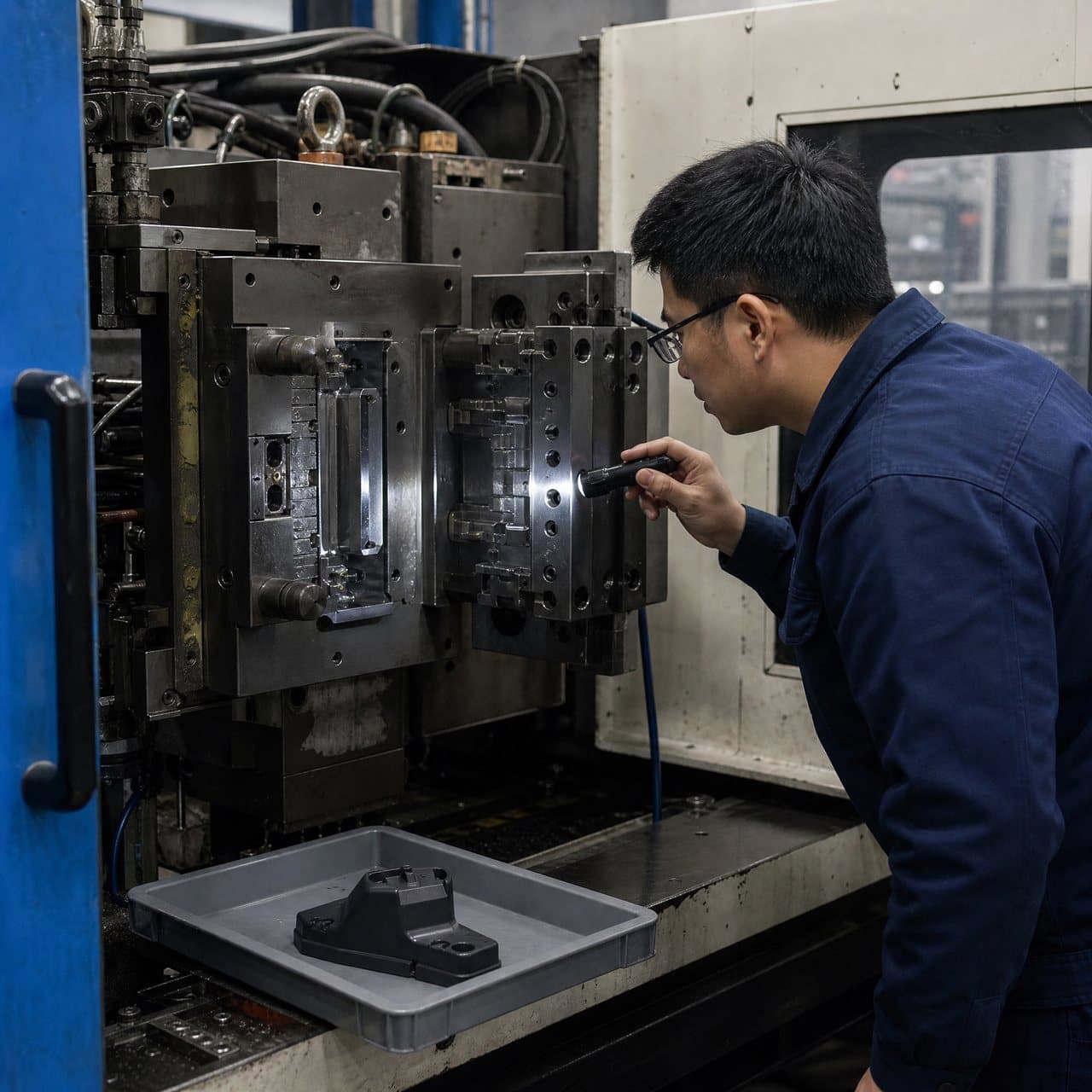
For an injection mold transfer, appoint a buyer-side decision owner and technical owner. The first approves commercial release and supplier access; the second controls the product definition, acceptance plan, deviations, and restart evidence. Each supplier should name tooling, quality, and logistics contacts. Record deadlines and escalations, not only titles.
Build a transfer dossier before the tool leaves: asset register, released CAD and drawings, available tool configuration information, trial and inspection evidence, maintenance history, connection details, controller and accessory inventory, process ranges where available, spares, and open actions. The receiving supplier should identify gaps before accepting custody.
Do not promise equivalent output from the tool alone. Machine interfaces, resin preparation, temperature control, handling, and inspection can change the part. Define the restart reference, CTQs, sampling method, cosmetic and functional criteria, deviation route, and release authority. A process-oriented quality system supports consistent customer requirements [1].
03
Preserve tool condition during storage and transit
An injection mold storage plan should name the rack or secured area, custodian, inventory-check frequency, appropriate environmental controls, and removal authorization. Before storage, record condition, clean and dry the tool, protect it from corrosion, protect precision surfaces, label connections, and log known damage, missing spares, or overdue service. Industry guidance likewise recommends complete drying, corrosion protection, and logged maintenance [2].
For a cross-border move, assign condition photography, preservation, blocking and lifting protection, packaging, packing list, insurance, trade documents, freight booking, and customs coordination. State the named place and chosen Incoterms rule and version. Incoterms allocates specified costs, risks, and obligations; the tooling agreement must also cover title, IP, warranty, and acceptance [3].
At dispatch, obtain a signed release record covering tool ID, crate ID, accessories, condition, photos, date, and custody handoff. On receipt, inspect before running the tool. Quarantine discrepancies, notify the buyer, and obtain written disposition.
04
Make maintenance and changes visible across suppliers
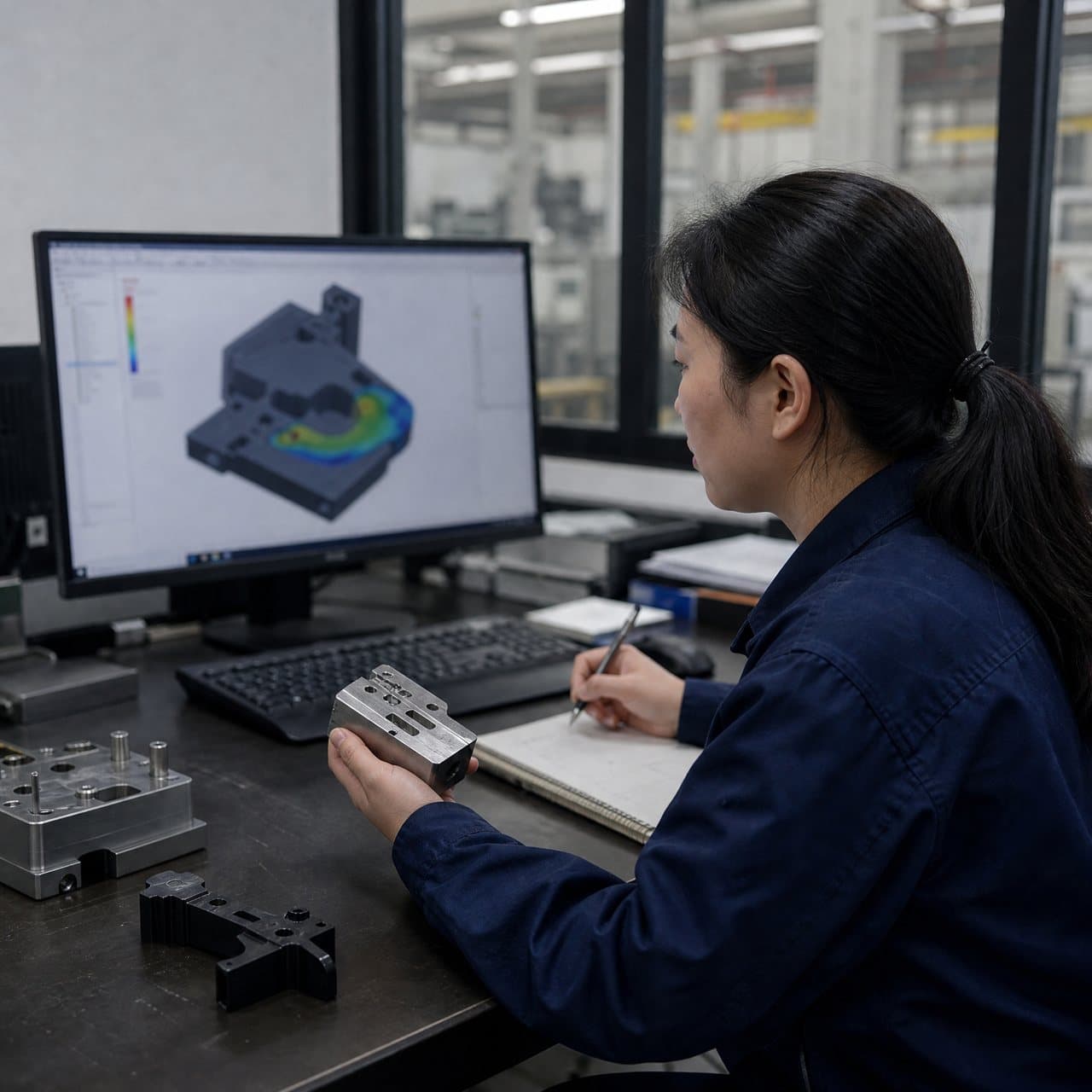
Tie an injection mold maintenance plan to actual use and observed condition, not a generic interval. Require run records, shot counts where installed, cleaning, lubrication, wear findings, repairs, replaced components, and relevant photos or measurements. Identify the person, date, tool revision, and approving authority. Inspect gating, venting, cooling, ejection, alignment, and moving mechanisms at a frequency suited to the resin, tool, and history [2].
Control every modification through one change request: reason, affected cavity or insert, proposed work, part impact, trial evidence, document revision, and approval. Neither supplier should treat a convenience repair or previous sample as approval of a changed configuration. Retain parts, photos, and records where traceability risk warrants it.
Compare suppliers against the same evidence standard: maintenance records, deviations, revision control, trial evidence, response, and candid capability limits. This is more useful than comparing nominal part price alone.
05
Use release gates instead of a single handoff
Use four gates: authorization to release; pre-shipment condition and dossier review; receiving inspection and installation readiness; and production restart approval. Each should name its stop authority, gap-closure evidence, and allowed production status. Add product-specific evidence when customer, regulatory, or sector requirements apply. Because customs, contract, data, and compliance requirements differ across Europe, the United States, and the Middle East, obtain local legal and trade advice rather than use one template universally.
Define a fallback route: incumbent production during transfer, continuity inventory, return if acceptance fails, emergency-repair authority, and access to data needed for a replacement tool. It will not remove disruption risk, but it keeps ownership, technical handoff, and production decisions separate.

Practical takeaway
Before you move
to the next review.
- Create an asset register with IDs for tools, inserts, controllers, gauges, and spares.
- State title, custody, use, data access, change approval, and disposal rights separately.
- Release controlled CAD, drawings, specifications, CTQs, inspection methods, and approvals.
- Collect condition photos, maintenance history, repair status, accessory list, and open actions before shipment.
- Agree dossier review, packing, delivery point, insurance, customs duties, and custody handoff.
- Inspect on receipt before running and document discrepancies through a written route.
- Approve restart against predefined dimensional, functional, cosmetic, and traceability evidence.
FAQ
Common questions
Who owns an injection mold when a buyer pays for it?
Payment alone may not settle every right. The agreement should identify owner, title condition, custody, use restrictions, data rights, maintenance, and removal procedure. Obtain local legal advice.
What should an injection mold transfer package include?
Include the asset record, released part definition, available tool information, trial and inspection evidence, maintenance history, connection details, accessory and spare list, open issues, condition photos, packing list, and restart plan.
Can a second supplier run the same mold immediately?
Do not assume so. First confirm compatibility, tool condition, material and process requirements, inspection method, and acceptance criteria. Release production only after the defined trial and review.
How should buyers manage injection mold storage at a supplier?
Specify location, access authorization, condition baseline, preservation, inventory checks, maintenance log, insurance, and notice before removal or disposal. Review the record before restart.
Do Incoterms decide who owns a transferred mold?
No. Incoterms allocates specified delivery, cost, and risk obligations. The tooling agreement should separately address title, IP, data access, acceptance, warranty, repair, and return or disposal rights.
References
Source material
- [1] ISO 9000 family — Quality management
- [2] Xometry — Injection Mold Maintenance Checklist
- [3] International Chamber of Commerce — Incoterms 2020
This guide is general information for early procurement and engineering discussion. It does not replace product-specific DFM, qualification, validation, regulatory assessment or legal advice.