
A multi-cavity tool is not qualified merely because every cavity produces a part. A buyer should define what comparable output means for the application, then require evidence by identified cavity under an agreed trial condition. The relevant checks can include fill behavior, part mass, dimensions, appearance, assembly fit, function and any product-specific test. The appropriate set depends on the resin and its condition, part geometry, gating and cooling architecture, molding machine, end market and contract terms.
For sourcing, treat balance and qualification as two linked decisions. Balance asks whether material reaches and packs cavities consistently enough for the agreed product requirements. Cavity qualification asks whether each named cavity has evidence for release, whether any exception is understood, and who may approve it. This guide focuses on those buyer controls; it does not prescribe a universal cavity count, tolerance, cycle time, mold life or validation package.
Requirement: define cavity-specific acceptance evidence and approval authority before sampling. Recommendation: use a staged review so a balanced-looking trial is not mistaken for production release.
01
Define the balance requirement before asking suppliers to quote
Do not write only “balanced multi-cavity mold” in an RFQ. State the part revision, annual and peak demand assumption, intended resin grade and permitted source policy, color or additive direction, recycled-content or regrind rules if applicable, critical-to-function features, cosmetic zones, mating parts and the planned production region. Identify whether every cavity must meet the same full acceptance plan or whether a documented family approach is acceptable. The buyer should also require permanent, unambiguous cavity identification on samples and records so later results can be traced to a physical location in the tool.
Translate “balance” into observable evidence. For a thin wall or cosmetic part, fill sequence, flash risk, weld-line location and surface consistency may matter. For a sealing, assembly or structural part, the priority may be cavity-specific dimensions, mass, fit or functional performance. A cavity-weight comparison can be a useful process screen, but it does not by itself prove dimensions, appearance or function. ISO 20457 describes why moulded-part tolerances depend on plastics-specific effects such as shrinkage, warpage, material behavior, geometry and processing conditions; buyers should therefore define functional requirements rather than apply a generic tolerance to every program.
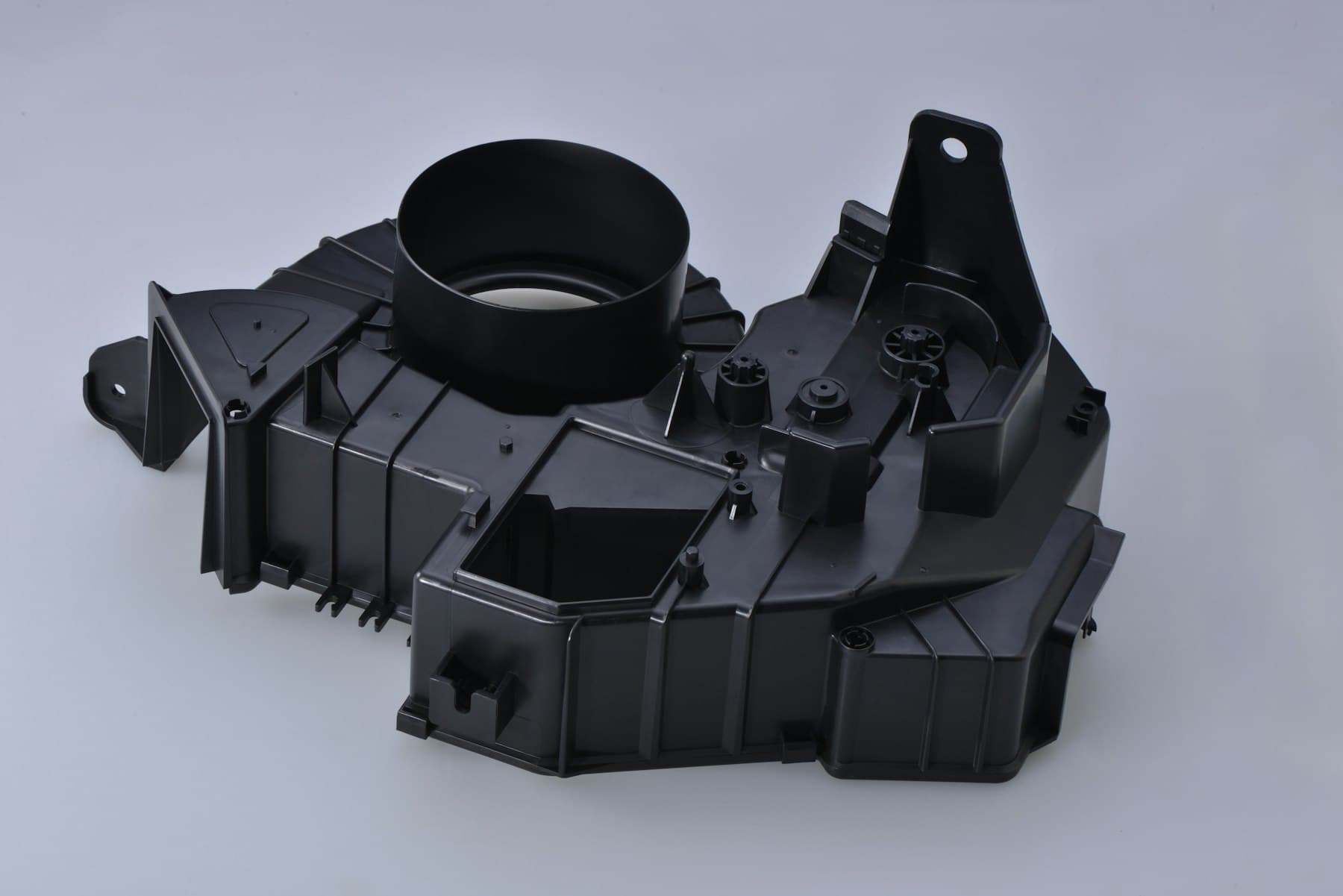
Request the supplier’s assumptions alongside the proposal: cavity count, cavity layout and numbering, runner and gate concept, hot- or cold-runner architecture, projected-area and shot-size assumptions, anticipated press envelope, cooling concept, ejection approach and any flow-analysis inputs. Flow analysis is valuable decision support, not a substitute for controlled sampling. Ask the supplier to flag the assumptions most likely to change if the resin, part geometry, machine or production location changes.
02
Compare tool proposals on evidence, not cavity count alone
A higher cavity count can change the tool’s material path, cooling load, machine requirement, maintenance exposure and qualification burden. Compare suppliers using a common request sheet. Require each proposal to distinguish what is included in the quoted architecture from what remains an engineering assumption. This is especially important when one supplier proposes a hot runner, another proposes a cold runner, or the proposed presses and automation differ.
Approval at this stage should be an engineering decision on the proposed basis of design, not acceptance of finished parts. Ask the responsible engineering and quality owners to confirm the material direction, cavity map, critical characteristics, measurement method, sample condition and proposed qualification route before tool release. A geometrically symmetric runner path is not proof of equal filling: published research notes that melt shear-rate and temperature distributions can create imbalanced flow even in geometrically balanced multi-cavity layouts.
| Comparison item | Buyer should request | Acceptance or approval point |
|---|---|---|
| Cavity and runner concept | Cavity count, permanent numbering scheme, layout, gate locations, runner or hot-runner drawings, and the stated rationale for balance. | Engineering approves the controlled concept and identifies features that require cavity-level evidence. |
| Machine and process envelope | Planned press model or capability range, shot-size and clamp-force basis, auxiliary equipment, resin drying assumptions and proposed monitoring points. | Buyer confirms that the intended production context, not an unspecified trial press, is the qualification basis. |
| Cooling and cavity condition | Cooling-circuit concept, thermal-control approach, cavity or insert material assumptions, and access for cleaning or service. | Tooling and quality owners agree which cavity-specific conditions must be recorded during trials. |
| Qualification plan | Protocol, cavity map, sample quantities by cavity, test methods, acceptance criteria, deviation route and report format. | Quality approves the plan before the supplier begins the release trial; a sample is not approved against criteria issued afterward. |
| Future adjustment rights | Proposed tuning actions, limits on gate, runner, vent, cooling or insert changes, and estimated requalification triggers. | Commercial and technical owners agree that changes affecting the evidence basis need documented authorization. |
03
Qualify every cavity through a written, cavity-resolved protocol
Issue a protocol before the qualification trial. As a minimum, it should name the part and tool revisions, each cavity and any interchangeable insert, resin grade and lot or lot policy, material-conditioning requirements, machine and auxiliary equipment, process settings or approved window, sample plan, test methods, acceptance criteria, statistical approach where required, deviation handling and approval roles. FDA process-validation guidance similarly emphasizes a written protocol with operating conditions, data and evaluation timing, tests and acceptance criteria, and a sampling plan. Its framework is not automatically the applicable regulatory route for every molded part, but the documentation discipline is useful for buyer-supplier agreements.
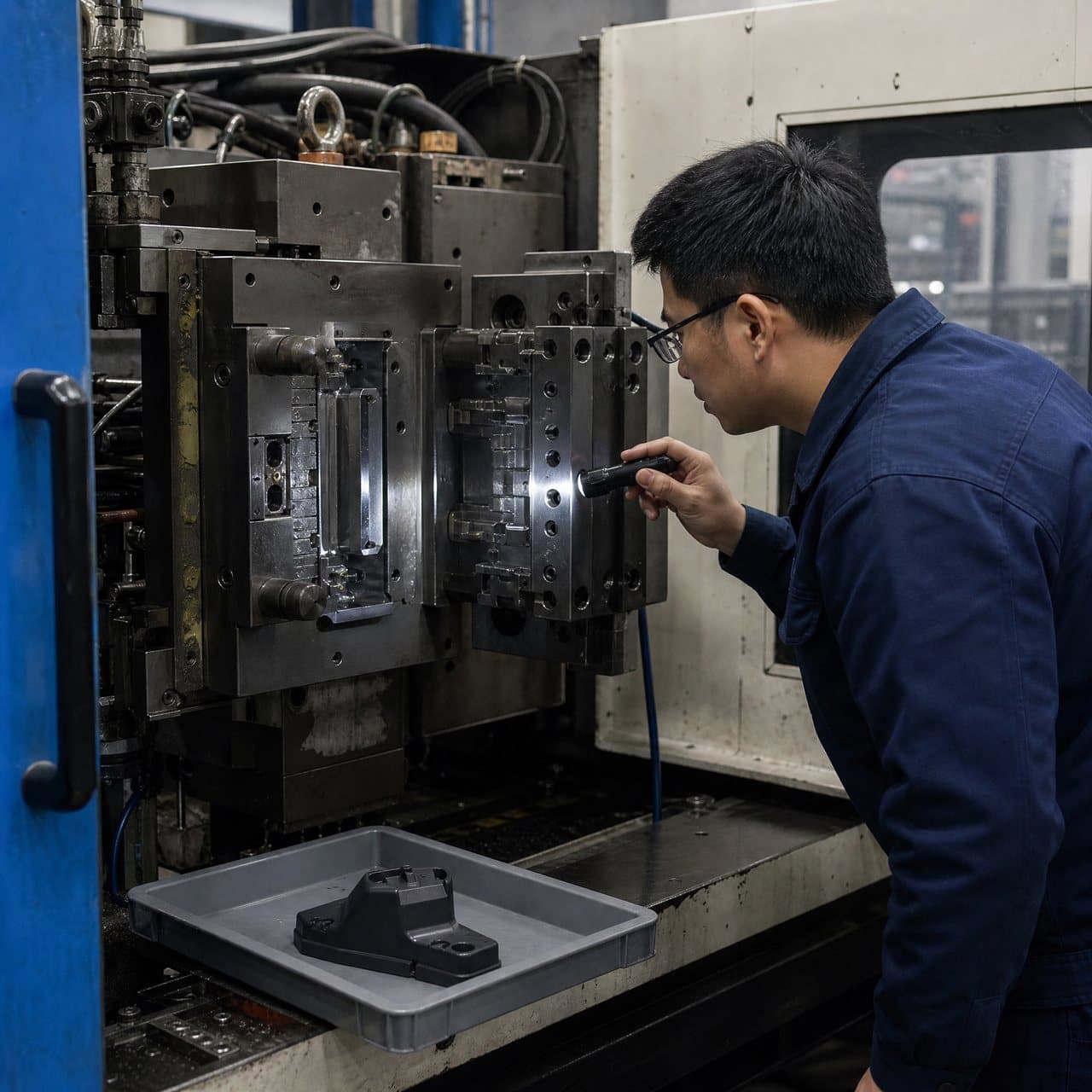
Require the supplier to keep samples segregated by cavity through measurement and testing. The result set should retain actual values, units, method and instrument identification where relevant, the part and cavity ID, operator or laboratory traceability, sampling time and disposition. For visual requirements, use approved limit samples, digital standards or another defined comparison method; “looks acceptable” is not an auditable criterion. Where assembly or performance depends on post-molding conditioning, specify the timing, environment and counterpart revision before testing.
Set clear release logic. A requirement can be that every cavity meets the agreed criteria, or it can permit a documented cavity-specific concession or restricted use. Either route needs named approval. Do not infer approval from a supplier’s internal pass/fail report, shipment of samples or one successful cavity. If data reveal a material imbalance, the supplier should contain affected output, identify the cavity or condition, propose a corrective action and repeat the agreed evidence after an authorized change.

04
Request a reviewable evidence pack and approve in stages
Ask for a package that a remote OEM or supplier-management team can review without reconstructing the trial. It should include the approved drawing and revision history, cavity map, tool configuration, material certificates or agreed material traceability, trial record, machine and auxiliary-equipment identification, process record, cavity-resolved inspection and test data, measurement-system information when measurement risk warrants it, photographs where appearance matters, deviations, corrective actions, and the supplier’s conclusion. Retain the raw cavity-level data, not only an overall average; averages can hide one high or low cavity.
Use stage gates with explicit owners. First approve the design and qualification protocol. Next, review the trial evidence and any open nonconformance. Then approve a production-release status, a limited engineering-build status, or no release. Automotive programs may use PPAP or a customer-specific equivalent; AIAG describes PPAP as a process for demonstrating that engineering design records and specification requirements are achieved by the supplier’s manufacturing process. Outside that context, the buyer and supplier should contract the deliverables rather than assume that a named acronym creates the needed evidence.
A production-release decision should state its boundaries: approved part and tool revisions, resin and color direction, machine or process conditions if constrained, qualified cavities, acceptance record, known exceptions, retention expectations and change-notification obligations. Approval of one trial does not automatically approve a different resin source, press, hot-runner setting, cavity repair, tool transfer or production site.
05
Control cavity variation after release and when an imbalance appears
Agree the ongoing control plan before serial production. It can require cavity identification on selected production samples, defined inspection frequency, reaction plans for a cavity-specific trend, control of resin and color changes, maintenance records, and periodic review of critical features. The scope should be proportionate to risk. A regulated, safety-relevant or close-tolerance application can need more formal monitoring than a noncritical commodity component, while market and contractual requirements may impose additional duties.
When one cavity begins to differ, contain first and diagnose with traceable evidence. Ask for the affected cavity IDs, production lot, resin and drying records, machine and process history, short-shot or fill observations if suitable, cavity-specific mass and dimensional results, cooling or hot-runner status, tool-maintenance findings and comparison with prior approved evidence. Do not direct an undocumented gate, runner, vent, cooling or insert modification solely to restore output. Such changes may alter packing, cosmetics, dimensions or function and should follow the agreed change-control and requalification route.
Close the issue only when the agreed corrective action, repeat sample evidence and release decision are documented. If the supplier proposes a temporary restriction, such as blocking a cavity or using a reduced-cavity configuration, decide whether the revised output, capacity, labeling and commercial terms remain acceptable. That decision belongs to the buyer’s engineering, quality, procurement and supplier-management owners under the contract, not to a generic mold guideline.
Practical takeaway
Before you move
to the next review.
- Define cavity-specific critical characteristics, acceptance criteria, sample condition and permanent cavity identification in the RFQ and controlled drawing package.
- Request comparable supplier evidence for cavity layout, runner and gate concept, cooling approach, machine envelope, material assumptions and proposed qualification plan.
- Approve a written cavity-resolved protocol before the release trial, including sample quantities, methods, data treatment, deviation handling and decision owners.
- Require an evidence pack with raw results by cavity, traceable trial conditions, tool and part revisions, material traceability, exceptions and corrective-action status.
- Set production-release boundaries and written change-control triggers for resin, machine, process, tool, cavity, hot-runner, maintenance and production-site changes.
FAQ
Common questions
What does cavity balance mean in injection molding?
For a buyer, it means the cavities produce output that is sufficiently consistent for the agreed part requirements under the defined conditions. It can involve filling, packing, part mass, dimensions, appearance, assembly or function. The relevant proof is cavity-specific evidence against agreed criteria, not a generic claim that the runner is balanced.
Is a geometrically balanced runner enough to qualify a multi-cavity mold?
No. A symmetric runner layout may be part of a sound design, but melt behavior, thermal conditions, gate details, resin, machine response and part geometry can still cause cavity-to-cavity variation. Use design evidence and a controlled trial; qualify the actual cavity outputs against the agreed requirements.
How many samples per cavity should a buyer require?
There is no universal number. Set the plan from the risk of the characteristic, cavity count, test method, intended use, process understanding, applicable market requirements and contract terms. The protocol should explain why the sampling plan can support the release decision and how results from each cavity will be evaluated.
Does a repaired cavity or tool adjustment need requalification?
Not every maintenance action has the same effect, but any change that could affect the approved part or process evidence should be assessed under written change control before shipment. Define in advance which actions require notification, engineering review, repeat cavity sampling, broader requalification or a new approval.
References
Source material
- [1] ISO 20457:2026, Plastics moulded parts — Tolerances and acceptance conditions
- [2] U.S. Food and Drug Administration, Process Validation: General Principles and Practices
- [3] Automotive Industry Action Group, Production Part Approval Process (PPAP) Overview
- [4] Tsai et al., Filling-Balance-Oriented Parameters for Multi-Cavity Molds, Polymers
This guide is general information for early procurement and engineering discussion. It does not replace product-specific DFM, qualification, validation, regulatory assessment or legal advice.