
A buyer should not approve a hot runner or cold runner as a generic mold feature. The selection is an engineering and commercial decision that must be traceable to the controlled part revision, resin status, geometry, tool architecture, available molding machine, market requirements, and contract terms. A hot runner retains melt in a heated manifold and nozzles; a cold runner solidifies a feed path with the shot. Either approach can be appropriate, but neither label proves part quality, output, material savings, maintenance burden, or total program cost for a particular program.
For overseas OEM, procurement, quality, engineering, and supplier-management teams, the practical task is to turn the choice into a sequence of requirements, evidence requests, approvals, and change controls. Keep concept approval separate from design release, trial acceptance, and production release. That separation prevents an early quotation assumption or a visually acceptable sample from becoming an unintended commitment to a runner system that has not been assessed against the real product and support conditions.
Approve the runner architecture only when the supplier has stated its part-specific assumptions, supplied the agreed evidence, and the buyer has recorded what is approved, what remains open, and what change will require re-approval.
01
1. What must be fixed before suppliers propose a runner system?
The buyer should issue a controlled decision brief before asking a supplier to recommend hot or cold runners. Requirements should identify the part CAD and drawing revision, resin grade or approved-material decision path, colour and additive status, cavity target, annual and batch demand, intended molding location, machine constraints known to the buyer, visible surfaces, gate-prohibited zones, critical-to-quality features, and functional or assembly tests. State whether runner reuse is forbidden, limited, or subject to separate approval. If these inputs are unknown, mark them as open assumptions rather than allowing different bidders to fill the gaps differently.
Ask the supplier to return an assumption register with the proposed architecture, gate type and location, number of drops or runner branches, part and runner mass estimates where applicable, required machine and controller interfaces, resin restrictions, expected material-change procedure, maintenance dependencies, and exclusions. A requirement is a buyer-controlled need, such as a gate-free sealing surface or defined resin traceability. A recommendation is a supplier's proposed way to meet that need. Keeping those labels separate makes later design review and commercial comparison more reliable.
The brief should also name decision authority. Engineering may own gate location and product performance, quality may own inspection and sample acceptance, procurement may own scope and commercial comparability, and the program owner may approve residual schedule or supply risk. The contract should identify which party owns the mold, the runner-system documentation, recommended spares, technical support route, and approval of subsequent changes. Do not assume that a component brand, mold location, or purchase price settles those responsibilities.
02
2. What should the buyer compare at concept approval?
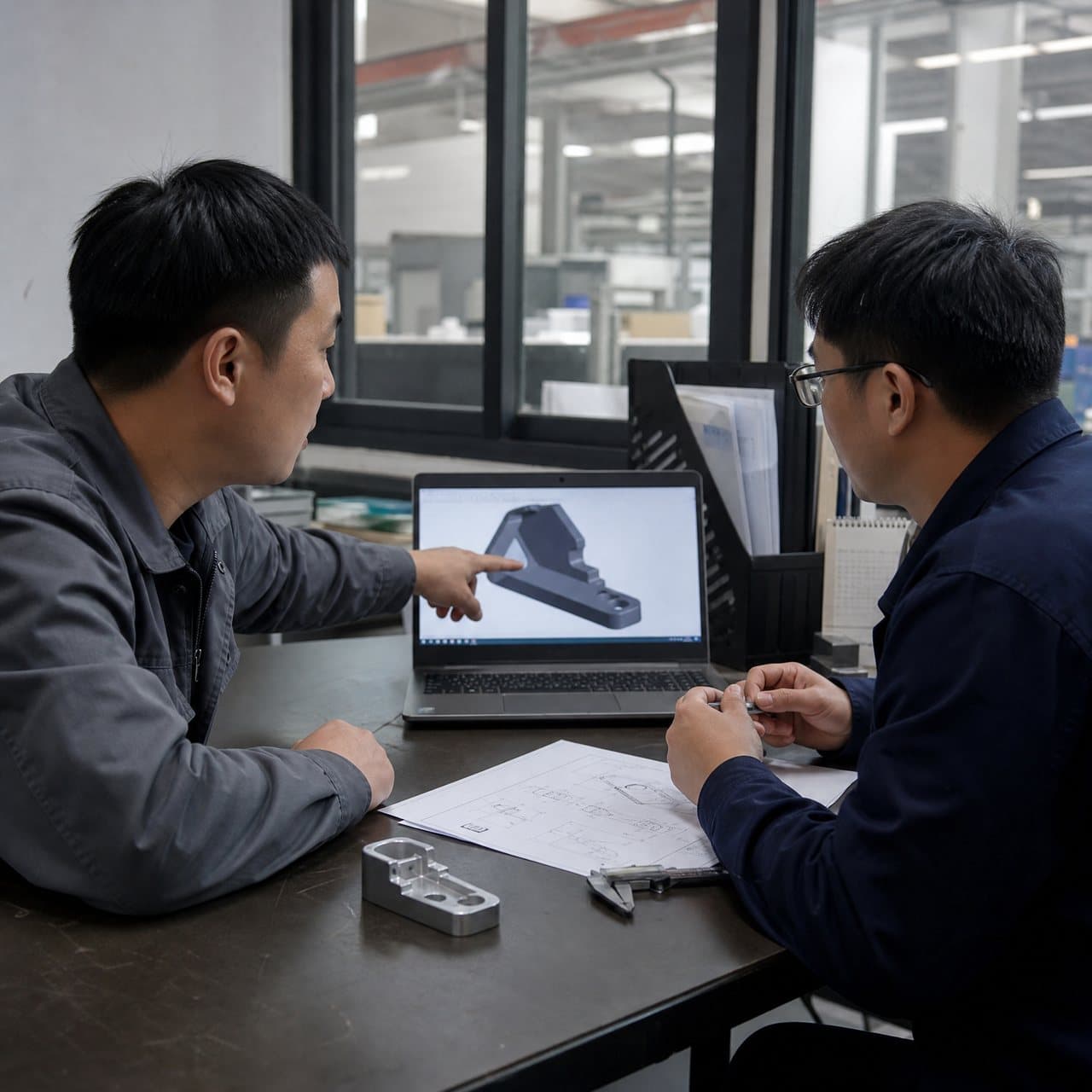
Compare two bounded technical cases, not two marketing labels. For a hot-runner proposal, establish whether it is thermal-gate or valve-gate, the number and identification of temperature zones, the proposed manifold and nozzle arrangement, controller and electrical interfaces, cooling dependencies, start-up and shutdown constraints, and service access. For a cold-runner proposal, establish the runner layout, separation or degating method, runner capture and segregation method, permitted reuse route, and any effect on gate vestige or automation. The same resin, part revision, cavity plan, demand basis, and acceptance requirements should be behind both cases.
Cycle time, runner scrap, gate quality, and maintenance are decision inputs, not universal results. A thick cold runner can affect cooling and handling, while a heated system adds thermal-control and service variables. Actual effects depend on the resin, wall sections, flow length, gate design, cooling, cavity layout, molding machine, automation, run pattern, and operating discipline. Require any output, resin-use, or cost comparison to show its calculation basis and exclusions. Treat a forecast as a planning assumption until the agreed tool and process trial produce relevant evidence.
Use a gate-based approval record so that a concept can be conditionally selected without silently releasing all downstream work. The record should name the evidence reviewed, unresolved risks, action owner, due date, and the exact approval being granted. A concept selection is not permission to change the controlled part, substitute the resin, alter cavitation, or claim production capability outside the stated boundary.
| Approval gate | Buyer requirement to check | Supplier evidence to request | Approval or hold point |
|---|---|---|---|
| RFQ technical baseline | Same controlled part, resin status, demand basis, gate-restricted surfaces, market and production-location assumptions for every bidder. | Completed assumption register, marked CAD, stated exclusions, preliminary machine and material dependencies. | Hold commercial comparison until material, gate-zone, or output assumptions that change the concept are visible. |
| Runner concept selection | Architecture, gate strategy, cavity plan, runner or drop layout, machine interfaces, handling route, and foreseeable service boundary. | DFM review, runner schematic, gate and parting-line markup, risk register, and any simulation report with its inputs and limitations. | Approve only the selected concept and documented open items; do not treat it as final production acceptance. |
| Tool design release | Controlled drawings, hot-half or cold-runner details, cooling and ejection interfaces, controller scope where applicable, and revision ownership. | Released layout, bill of materials or serviceable-component list as contractually required, interface schedule, and design-review action closure. | Release steel only after unresolved changes have an owner, impact assessment, and approval route. |
| Trial and sample review | Actual resin condition, machine and tool revision, cavity coverage, gate appearance, dimensional and functional requirements. | Trial protocol, process record, cavity-identified samples where practical, inspection results, deviation list, and corrective-action evidence. | Accept the defined sample evidence or hold for correction; a good-looking first-off part is not a production release. |
| Production or tool-transfer release | Documentation package, service readiness, approved change state, packaging and traceability requirements, and release authority. | Operating and maintenance instructions, wiring or controller information where applicable, spares recommendation, approved sample record, and transfer checklist. | Release only to the stated production boundary; re-open review after a material, gate, tool, machine, location, or contract-scope change. |
03
3. What evidence should the supplier provide before steel and hardware are approved?
Require the supplier to show the physical proposal, not merely state that the mold will have a hot runner or a cold runner. The design package should identify gate locations, runner branches or hot drops, cavity identification approach, parting-line and ejection implications, cooling around the relevant inserts or nozzles, and areas where cosmetic or functional risks may appear. The supplier should state how the named resin grade, filler content, colour, additives, and any anticipated material change influence the proposal. Material supplier processing guidance is grade-specific; it should not be replaced with a generic temperature or pressure instruction.[1]
A flow simulation can be useful decision evidence where gate placement, balance, weld-line location, pressure demand, or likely fill sequence is at issue. Request the CAD and drawing revision, material data source and grade, gate and runner assumptions, mesh or model scope, machine or process constraints used, and the output relevant to the decision. Ask the supplier to identify what the study does not demonstrate. Simulation should inform a part-specific review; it does not replace tool construction checks, molding trials, dimensional inspection, or functional validation.
For a hot-runner system, request the documentation and interface information necessary for the planned operating site: hot-half or general-assembly information, zone and wiring identification, controller compatibility, power and communication requirements if applicable, operating instructions, and serviceable-item or spare-parts recommendations. Manufacturer guidance treats the bill of materials and assembly drawings as part of the hot-runner documentation package.[2] For a cold-runner system, request the runner separation plan, runner disposition or regrind controls, and any automation or manual operation required outside the press. These requests establish scope; they are not a claim that every system will need the same documents or parts.

04
4. What must be sampled, checked, and approved at trial?
Agree the trial protocol before the press is set. It should name the approved or trial resin and its traceability, preparation condition as applicable, tool revision, hot-runner controller and zone identification where used, press, intended cavity configuration, sample quantity or rationale, conditioning and inspection timing, and the drawing revision. Record the purpose of each trial. An early development trial may be intended to discover filling, venting, cooling, gate, ejection, or balance issues. A later approval trial may need a controlled baseline and evidence that specified corrections have not created an unacceptable trade-off.
Inspect the part against defined requirements rather than a generic claim of runner performance. Relevant evidence can include gate condition under agreed viewing conditions, dimensions from defined datums, warpage or fit, assembly performance, leak or electrical testing, appearance of named surfaces, and cavity-to-cavity results when the tool permits meaningful identification. ISO 20457 addresses possible manufacturing tolerances and acceptance conditions for plastic moulded parts, but it does not replace product-specific requirements or address all visible surface imperfections.[3] The buyer should therefore define the applicable acceptance criteria and measurement method in the drawing, specification, or trial plan.
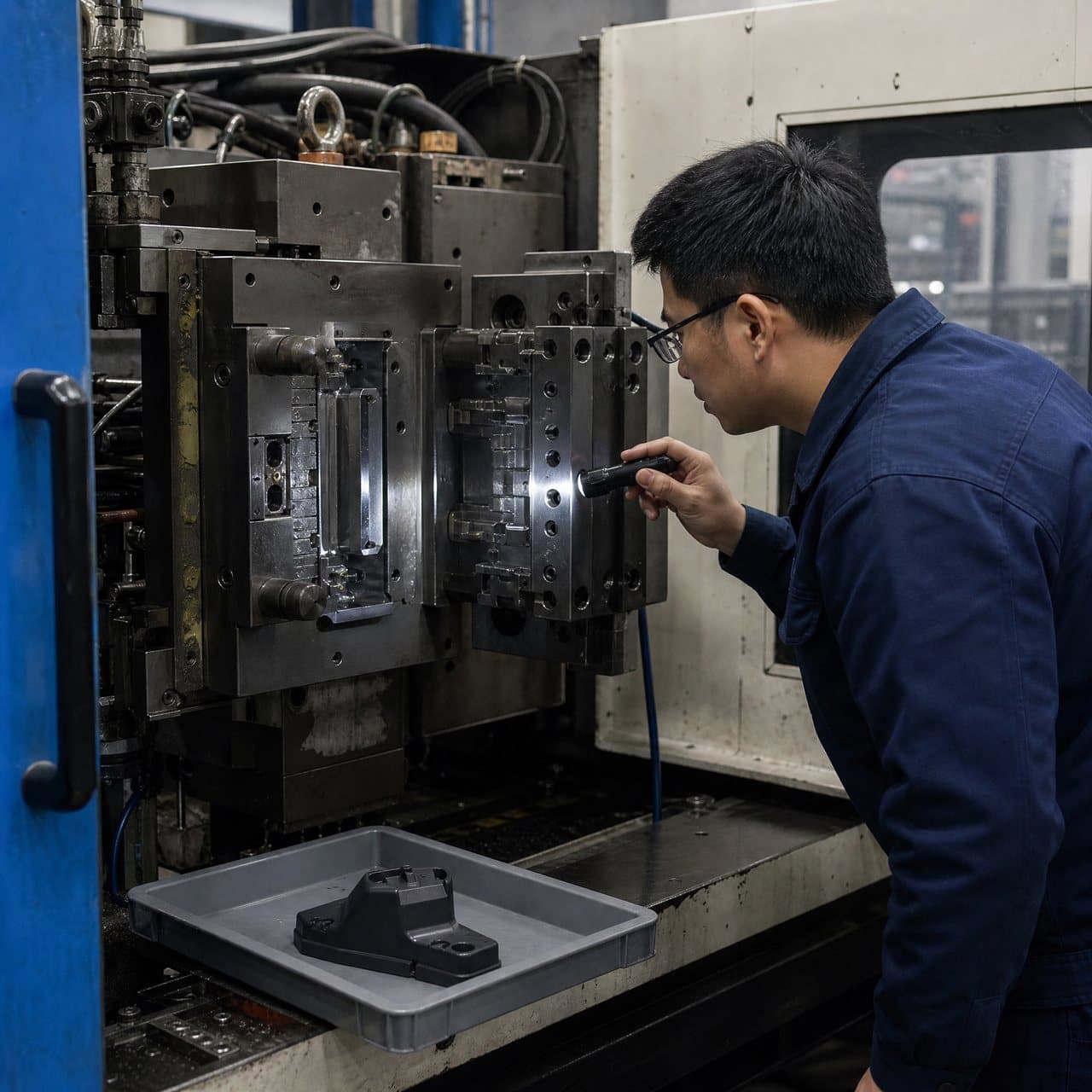
For a heated system, ask the supplier to show the recorded zone set-points and relevant actual observations, start-up or shutdown conformance, and any response to imbalance, stringing, gate wear, leakage, or temperature-control concern. For a cold system, show runner separation, retained-runner handling, and any regrind or segregation evidence required by the program. Do not approve a process change solely because it improves one output. The supplier should state what changed, why it was changed, which affected requirements were rechecked, and whether a new tool or process revision now applies.
05
5. What belongs in the final approval record and change-control plan?
The final record should connect the selected runner architecture to the approved boundary. Include the part, tool, runner-system, and controller revisions; approved resin grade and colour or additive condition; machine and production-site assumptions; gate and visible-surface acceptance; trial and inspection results; deviations and their disposition; and the named approvers. Attach or reference the documents needed to operate and service the actual mold. For hot runners, the record may include zone, cable, controller, and spare-part identification. For cold runners, it may include runner handling, separation, and permitted-reuse controls. Keep the format proportionate to product risk and contractual commitments.
Specify re-approval triggers in the purchase order, quality agreement, or controlled change procedure. Examples can include a resin-grade, filler, colourant, or regrind-policy change; a gate, runner, nozzle, manifold, valve, cavity, cooling, or tool revision; a press or controller change outside the agreed boundary; a new plant; a revised cosmetic requirement; or a change in inspection method. The trigger should require impact assessment, not automatic rejection. The appropriate evidence may range from a documented review to new samples, functional checks, or formal customer approval, depending on the product and contract.
Plan service ownership before a failure occurs. Hot-runner maintenance needs are tool-specific: material behavior, operating conditions, shot count, and tool history can change inspection frequency and scope.[4] Ask who may diagnose or replace a heater, thermocouple, nozzle component, valve item, or controller component; who authorizes the work; which records must be updated; and what first-off or broader revalidation is required before shipment resumes. For both architectures, retain maintenance, repair, and process-change history with the tool so that a later supplier transfer or quality investigation has a factual baseline.
Practical takeaway
Before you move
to the next review.
- Issue one controlled runner-decision brief that states the part revision, resin status, gate restrictions, demand basis, production location, machine constraints, and acceptance requirements to every supplier.
- Require each supplier to separate buyer requirements from its recommendations, list assumptions and exclusions, and identify the owner and due date for every open technical risk.
- Compare hot and cold proposals through explicit approval gates, including the proposed architecture, interfaces, material route, handling plan, service boundary, and evidence needed to pass each gate.
- Approve trials against a pre-agreed protocol with actual material and tool revision, relevant cavity coverage, defined visual, dimensional, and functional acceptance, and documented corrective actions.
- Keep a final approval and change-control record that identifies the runner-system documents, service responsibilities, release authority, and events that require impact assessment or re-approval.
FAQ
Common questions
Should procurement choose the hot runner or cold runner from the supplier's quoted tooling price?
No. Price can be one input, but it does not reveal whether bidders used the same resin, gate requirements, cavity plan, material-handling route, controller scope, trial evidence, service boundary, or contract assumptions. Require a normalized technical baseline and a documented approval path before making a commercial comparison.
What is the minimum evidence for conditional runner-concept approval?
At minimum, obtain a marked layout or DFM review, identified gate and runner or drop concept, stated resin and machine assumptions, open-risk register, material and handling plan, expected interface and maintenance scope, and the decision boundary. The responsible buyer roles should record that the concept, not final production performance, is being approved. Additional evidence should match the part's risk and the decision being made.
Does a hot runner remove the need to approve gate appearance and part performance?
No. A heated runner changes the melt-delivery architecture, but it does not make the gate condition, dimensions, visible surfaces, assembly performance, or functional requirements self-proving. Define the relevant acceptance method and evaluate samples from the controlled tool, resin, machine, and process condition.
When should a previously approved runner decision be reviewed again?
Review it when an approved input or boundary changes, such as resin grade, filler or colour condition, gate or tool geometry, cavity configuration, runner hardware, machine or controller, production site, cosmetic requirement, inspection method, or contractual support scope. The change owner should assess the effect and propose proportionate evidence before the buyer decides whether re-approval is needed.
References
Source material
- [1] BASF, Processing Injection Moulding: mould design, runner systems, gating and processing dependencies
- [2] Mold-Masters, Hot Runner User Manual: documentation, integration, operation and maintenance
- [3] International Organization for Standardization, ISO 20457: Plastics moulded parts — Tolerances and acceptance conditions
- [4] Mold-Masters, Prevent Hot Runner Downtime with Scheduled Maintenance
This guide is general information for early procurement and engineering discussion. It does not replace product-specific DFM, qualification, validation, regulatory assessment or legal advice.