
Buyers should evaluate injection mold maintenance as a documented lifecycle cost, not as a promise of a trouble-free tool or a single service rate. Compare planned work, critical spares, likely repair pathways, revalidation, lost-production exposure, and cross-border handling. The right budget and service trigger depend on resin, tool design, operating conditions, quality requirements, and the production plan, so no fixed price, interval, or tool-life figure is dependable for every program.
The lowest routine-service charge may create the highest exposure when inspection, spares, repair approval, validation, or logistics are excluded.
01
H2: Build a Lifecycle Cost Baseline
Start with a shared definition of the tool and its operating conditions. Record the approved part revision, resin and filler level, cavity count, hot-runner configuration where applicable, cosmetic requirements, critical-to-quality features, production location, and expected demand pattern. These conditions influence wear, fouling, corrosion risk, ejection stress, and the evidence needed before production restarts.
Use a cost model with separate lines for planned service, labor and consumables, injection mold spare parts, unplanned injection mold repair, trial material, inspection or sampling, downtime, storage, transport, customs, and insurance. This makes it possible to compare suppliers on scope rather than on a headline allowance. Compare the same currency basis, location, and assumptions for every quotation.
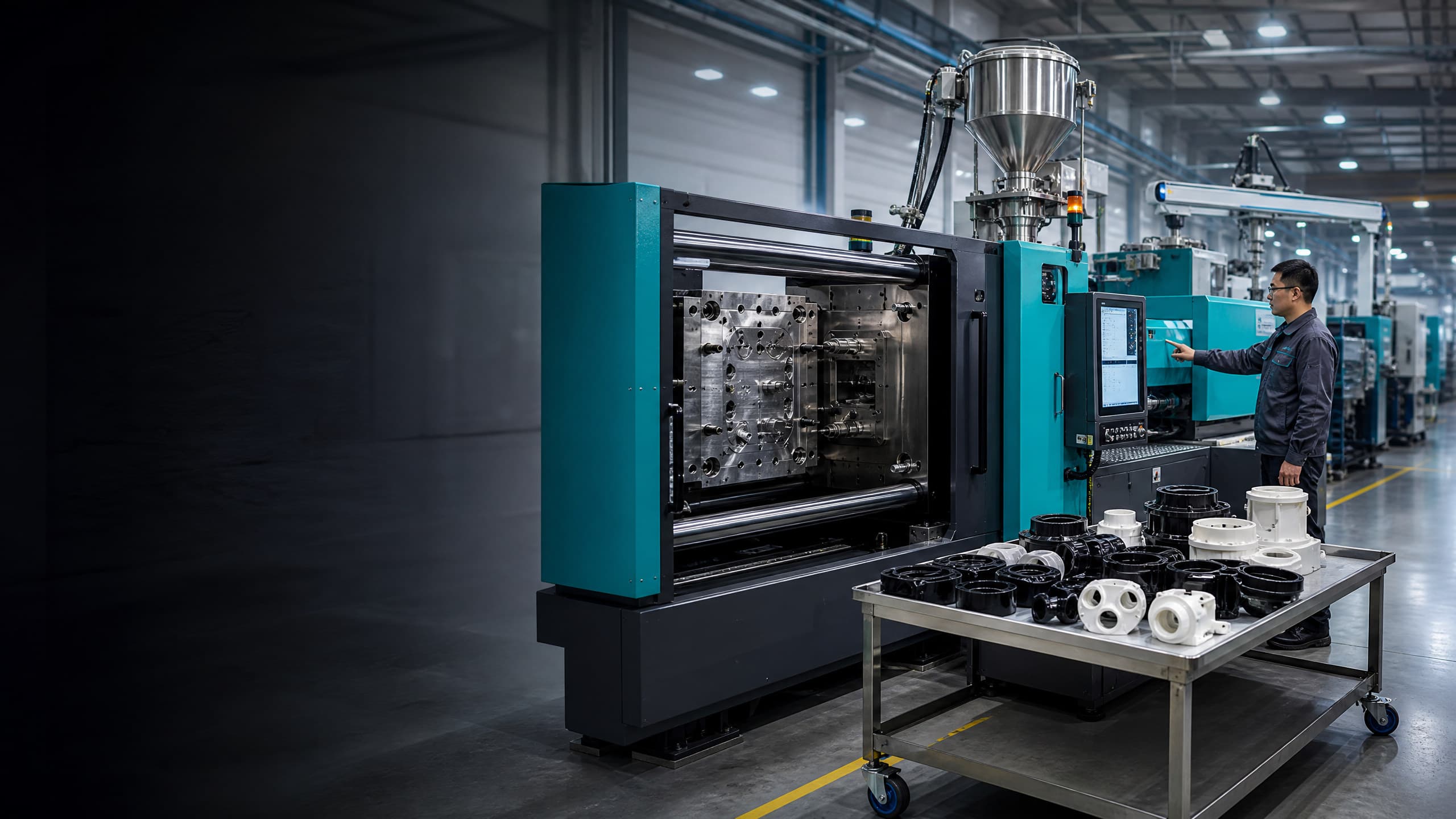
H3: Use a shot counter as an input, not a guarantee. Xometry notes that counters support maintenance scheduling, but actual intervals depend on the resin, mold design, and production conditions [1]. Ask which triggers are cycle-based, calendar-based, condition-based, or driven by a part-quality signal.
02
H2: Compare Scope Before Comparing Price
Request an itemized service matrix. It should identify whether cleaning, disassembly, inspection, lubrication, cooling checks, polishing, reassembly, and records are included. It should also state how machining, welding, coatings, hot-runner work, replacement components, press trials, samples, freight, and taxes are treated. A clear matrix does not make a future repair certain; it makes the commercial decision path visible.
Use the table to test whether each supplier has priced the same risk. Any blank cell should become an RFQ question, not an assumption.
| Cost stream | Compare this | Buyer evidence |
|---|---|---|
| Planned injection mold maintenance | Triggers, task list, labor, in-press versus bench work | Dated record, cycle/run reference, findings, next action |
| Injection mold spare parts | Part number, revision, criticality, stock location, ownership | Controlled spare list and replenishment route |
| Injection mold repair | Diagnosis, repair method, changed geometry or components | Approval gate, repair report, agreed restart evidence |
| Injection mold refurbishment | As-found condition, systems renewed, exclusions, validation | Scope report comparing condition, work done, and results |
| Cross-border handling | Removal, packing, insurance, freight, customs, return trial | Responsibility matrix and handover condition report |
03
H2: Connect Maintenance to Actual Wear Mechanisms
A credible plan names the tool-specific locations to inspect. Abrasive or filled resins may increase wear at gates, shutoffs, flow paths, and moving interfaces. Corrosion exposure can arise from material degradation products, moisture, trapped water, or storage. Difficult ejection, sliders, lifters, threads, valve gates, high heat, and narrow cosmetic tolerances add other inspection points. These factors are risks to monitor, not proof that a tool will fail.
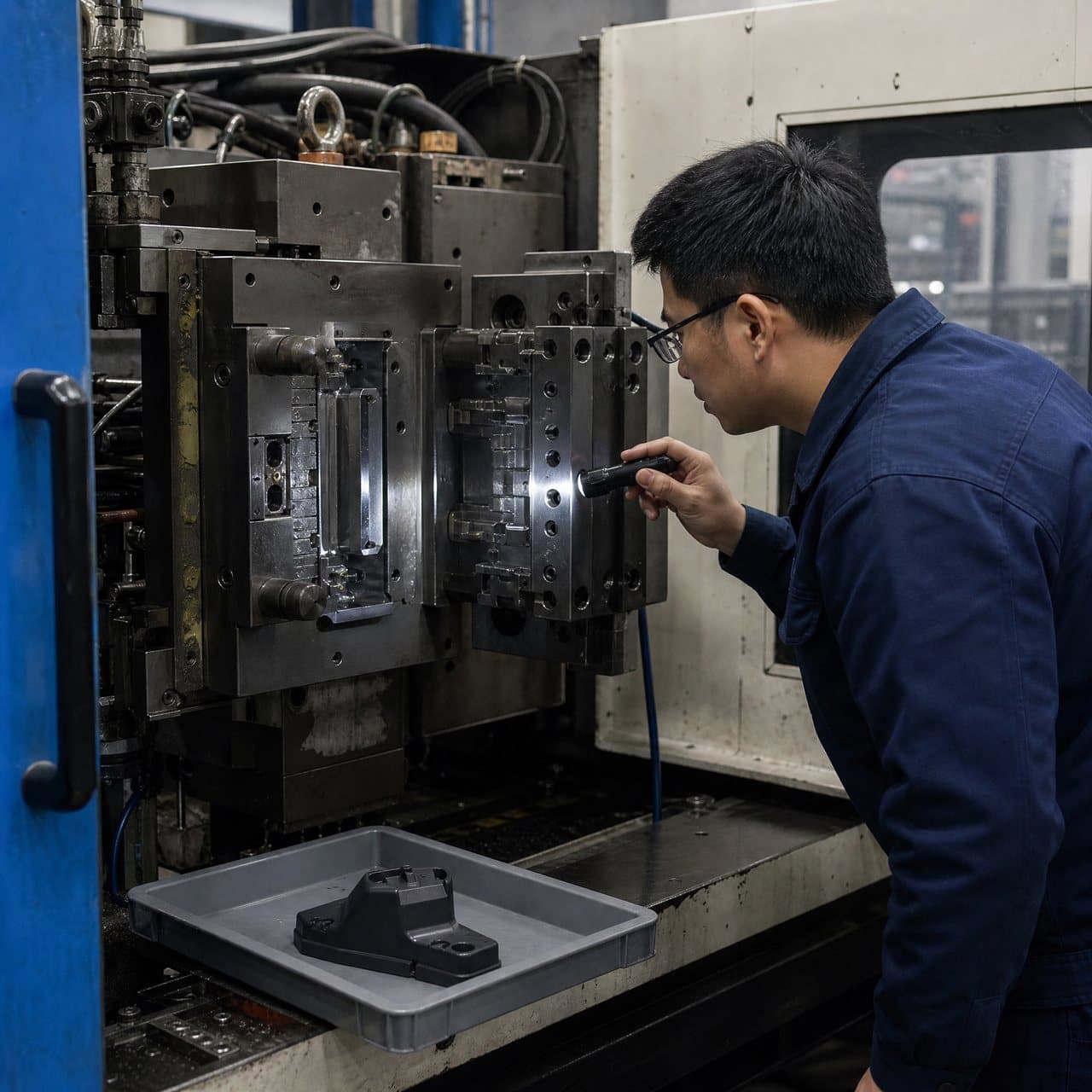
H3: Record symptoms with process context. Flash, sticking, changed gate vestige, inconsistent ejection, leakage, cooling imbalance, or cavity-to-cavity drift should be logged with the affected cavity, process settings, resin information where relevant, and observed part condition. This helps distinguish wear from an out-of-window process, contamination, or handling damage. The distinction changes the corrective action, cost owner, and validation scope.
For hot-runner production tooling, require system-specific instructions rather than applying a cold-runner checklist. Husky’s handbook illustrates inspection, cleaning, electrical checks, seal work, and refurbishment tasks that vary by hot-runner system and may be time- or cycle-triggered [2].
04
H2: Create Approval Gates for Repair and Refurbishment
A localized injection mold repair can restore a known condition. Injection mold refurbishment is broader: it evaluates accumulated condition and renews or restores defined components or systems. A replacement tool is a separate capital decision. Ask for an as-found condition statement before accepting any of these routes, so the work is not described as routine service when it is actually a geometry change or an upgrade.
Require written approval before work affects a drawing-controlled feature, cavity geometry, steel-safe condition, gate, cooling path, texture, material specification, or approved appearance. Agree the evidence needed for each class of work. A like-for-like component replacement may call for a bench check; work that can change the molded part may require dimensional, cosmetic, functional, or process-confirmation samples.
SPI mold-class terminology can help set a starting expectation for production duty, but it is not a maintenance warranty. The published SPI class overview links construction class to broad production applications [3]. Buyers should still compare the actual build specification, service plan, spares, and change control.
05
H2: Test the Supplier’s Service System
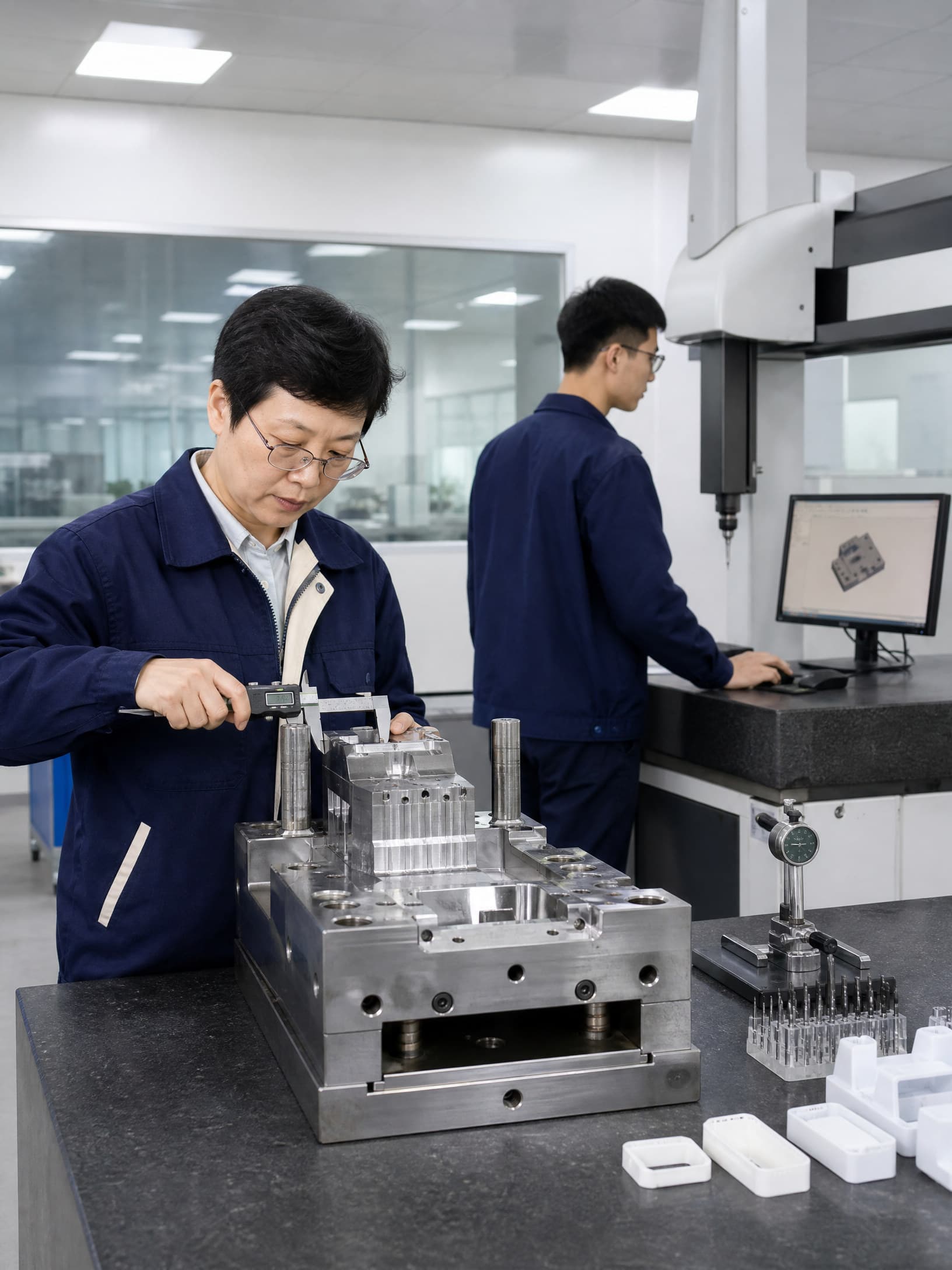
Ask for a redacted maintenance record and repair report from a comparable tool. Useful records identify the tool, date, cycle or run reference, observed condition, components changed, checks completed, open actions, and next inspection trigger. A report that only says serviced or cleaned provides little basis for forecasting cost or recurrence.
Identify which parts are standard and locally sourceable, and which are custom, proprietary, or dependent on the original tool shop. For each critical spare, confirm drawing access, revision, storage location, owner, and the authorization needed before it is consumed. Cross-border buyers should also assign responsibility for tool removal, packaging, insurance, export or import documents, storage, and press time after service.
Separate normal wear from supplier workmanship, buyer-directed design changes, use outside the agreed process window, and transit damage. Define spend-approval thresholds and notification timing before a production-impacting event occurs.
06
H2: Turn the Record Into the Next RFQ Decision
Review planned and unplanned events at agreed intervals. Look for recurring cavities, repeated spare consumption, rejected-part symptoms, validation work, and downtime categories. The trend may support a changed inspection trigger, a different spare strategy, a process review, a defined injection mold refurbishment, or a replacement study. One event alone does not prove that the whole tooling strategy is wrong.
For an RFQ, send the part and tool data, approved resin, demand pattern, production location, machine interface, known history, requested service record, and desired post-service evidence. Request a line-item lifecycle matrix and exclusions instead of a lifetime promise. InjeForm can use that basis to scope a production tooling RFQ around the service controls your program requires.
Practical takeaway
Before you move
to the next review.
- Define the part revision, resin, filler level, process window, cavities, cosmetic standard, and critical-to-quality features.
- Request a lifecycle matrix separating planned service, parts, repair, validation, storage, freight, and cross-border handling.
- Ask for cycle, calendar, condition, and part-quality triggers for injection mold maintenance.
- Approve an injection mold spare parts list with drawings, revisions, criticality, owner, storage location, and replenishment method.
- Set approval gates for any change to geometry, gate, cooling, texture, steel-safe condition, material, or appearance.
- Require a service or repair record showing findings, work completed, components changed, evidence checked, and next action.
- Assign responsibilities for packing, insurance, customs, transport, storage, and restart trials before an urgent event.
FAQ
Common questions
Should maintenance be budgeted as a fixed percentage of tool price?
No. A percentage can hide material, design, service scope, validation, and logistics differences. Use an itemized model and update it with actual tool history.
What belongs in an injection mold repair quotation?
Ask for the observed condition, likely cause, affected components, repair method, exclusions, approval points, and the evidence required before production restarts.
Which injection mold spare parts should buyers hold?
Prioritize parts whose failure can stop production or affect accepted quality. The specific list depends on the tool; require controlled part numbers, drawings, revisions, location, and replenishment ownership.
When should a buyer evaluate injection mold refurbishment?
Consider it when history shows accumulated wear, recurring repair, declining consistency, or a need to restore defined systems. Compare it with limited repair and replacement after an as-found assessment.
How can an overseas buyer control service on production tooling?
Use controlled files and spares, an approval matrix, a reporting format, transport and storage responsibilities, and agreed validation requirements after repair.
References
Source material
- [1] Xometry, Injection Mold Maintenance Checklist
- [2] Husky Technologies, Hot Runner Product Handbook v18.1
- [3] The Toolroom, SPI Mold Standards
This guide is general information for early procurement and engineering discussion. It does not replace product-specific DFM, qualification, validation, regulatory assessment or legal advice.