
The direct answer: compare injection molding price per part as a volume-specific total-cost model, not as a standalone number. Allocate the relevant fixed costs across the planned quantity, then add recurring molding, material, quality, packaging, and delivery costs on the same basis. Low volume injection molding often has more fixed cost per accepted part; high volume injection molding may lower that allocation but can require a different tooling and production setup. Require the same part definition, volume scenario, acceptance criteria, and Incoterm from every supplier.
A lower piece price matters only when the same quality scope, yield assumption, cost inclusions, and delivery basis are priced. Record the allocation quantity as an assumption, not a demand guarantee.
01
H2: Begin with a like-for-like part-price definition
A supplier’s unit price may cover only molding, or it may include resin, tooling allocation, inspection, assembly, packing, export documents, freight, and taxes. Define one accepted part of a named revision, resin grade, colour, packing standard, and delivery point before comparing bids.
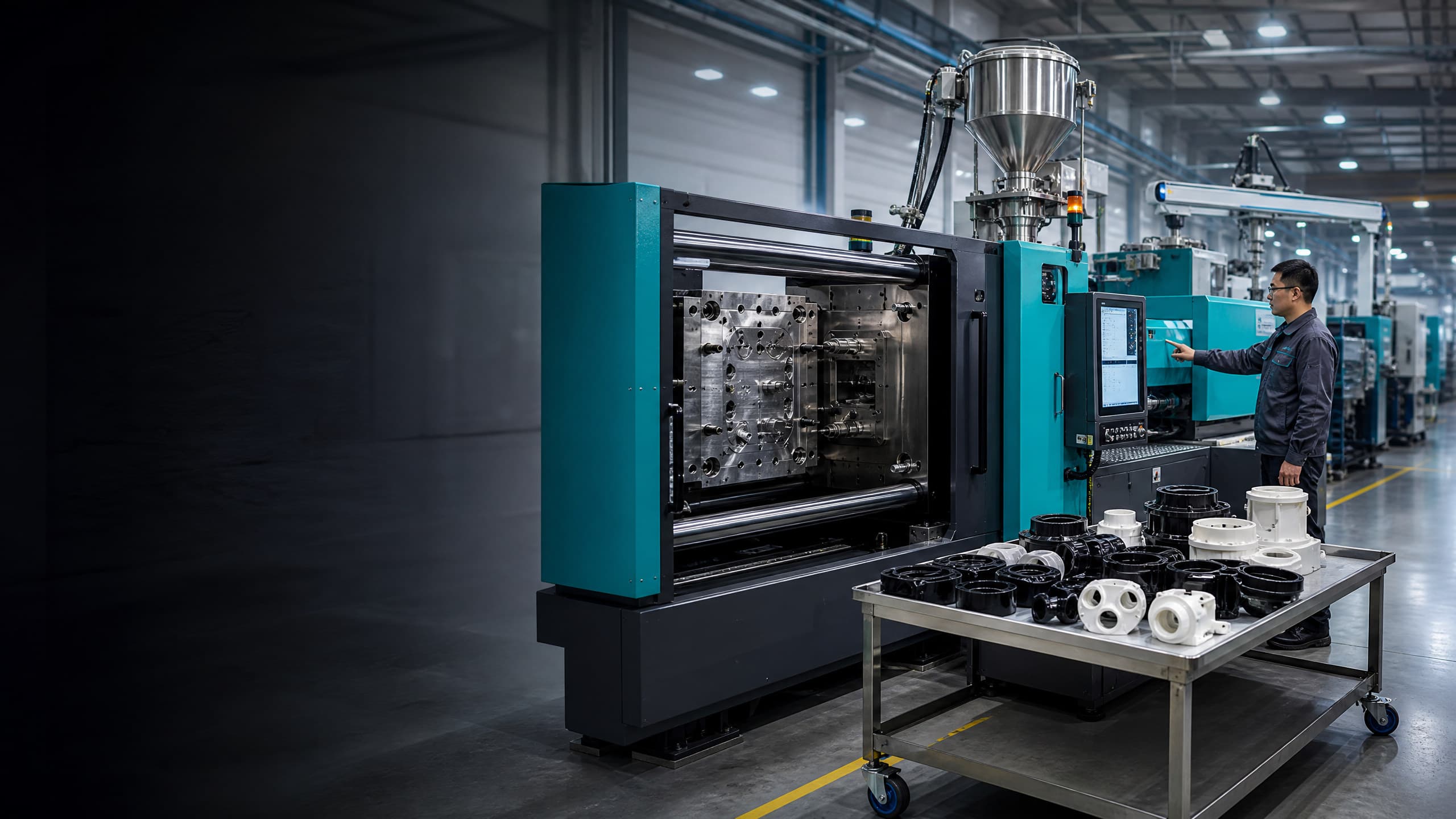
Use the same volume basis for every quotation: first release, annual scenario, and expected program quantity. A 5,000-piece release is not directly comparable with 5,000 pieces called off in smaller lots because setup, inventory, packing, and planning assumptions change. Xometry identifies tooling, resin, cycle time, cavitation, scrap, and maintenance among the material cost drivers [1].
02
H2: Split fixed costs from recurring costs before dividing by volume
A practical model is total program cost divided by accepted parts. Total program cost can include engineering, mold design and build, trials, qualification, and special gauges. Recurring cost can include resin, machine and labor time, runner or scrap loss, inspection, secondary operations, packing, and logistics.
Tooling allocation is the fixed-cost subtotal divided by the agreed allocation quantity. It falls mathematically as volume rises, but recurring cost may not. Label every line as one-time, per release, per shot, or per accepted part. Keep uncertain items in stated scenarios instead of hiding them in an average.
| Cost element | Low-volume effect | High-volume effect | Buyer question |
|---|---|---|---|
| Tooling and engineering | Can dominate allocated cost | Spreads across more accepted parts | What is included, owned, and allocated over which quantity? |
| Resin and additives | Small buys and changes can matter | Consumption and approved supply matter | Which grade, colour, and regrind rule are priced? |
| Cycle and press time | Setup share may be material | Output assumptions become visible | What cycle, machine basis, and labor content are used? |
| Cavitation and runner system | A simpler route may suit uncertainty | Output may improve with more investment | How many cavities and what yield are quoted? |
| Quality and logistics | Manual work and frequent releases can add cost | Sampling and consolidation may change cost | What evidence, packing, and Incoterm are included? |
03
H2: Assess low-volume molding by the value of learning
Low volume injection molding can suit design validation, pilot demand, service parts, or a bridge to a later production route. The decision is not whether the first piece price is lowest. It is whether the tooling and quote scope let the team obtain representative parts, close open issues, and control necessary changes before a larger commitment.
Request a DFM review, cavity count, gate and runner approach, change strategy, sample scope, inspection scope, and exclusions. Protolabs notes that tooling time and geometry are primary cost influences, while side actions or hand-loaded inserts can raise tooling effort and piece-part cost through longer cycles or manual work [2].
04
H2: Test the production case at credible demand levels
For production injection molding, compare a first release, a typical annual demand scenario, and a higher but credible scenario. Suppliers may propose a multi cavity mold, a different runner system, automation, or a dedicated inspection method. These choices can alter investment, output, validation work, change flexibility, and operating risk.
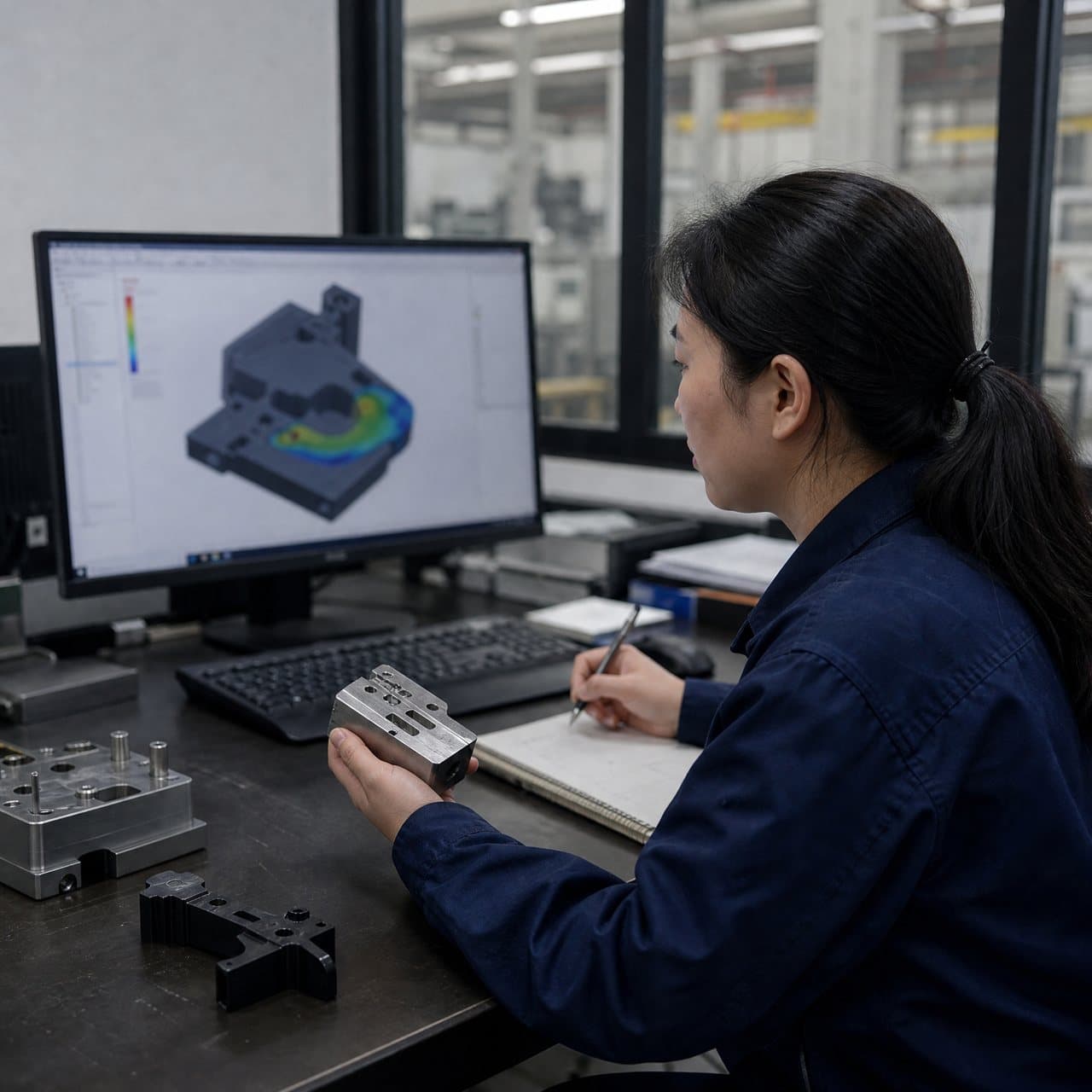
H3: Expose the recurring conversion assumptions. Request cycle time, parts per shot, cavity count, planned yield, operator involvement, and operating window. Cooling also connects cost and quality: Plastics Engineering explains that properly located cooling channels can reduce cooling time and unit cost, while poor heat transfer can impair cycle consistency and contribute to warpage [3].
Evaluate high volume injection molding as a controlled production system, not a quantity discount. Compare process controls, traceability, inspection frequency, maintenance responsibility, spare-part strategy, and capacity scheduling assumptions.
05
H2: Normalize supplier quotes without masking technical differences
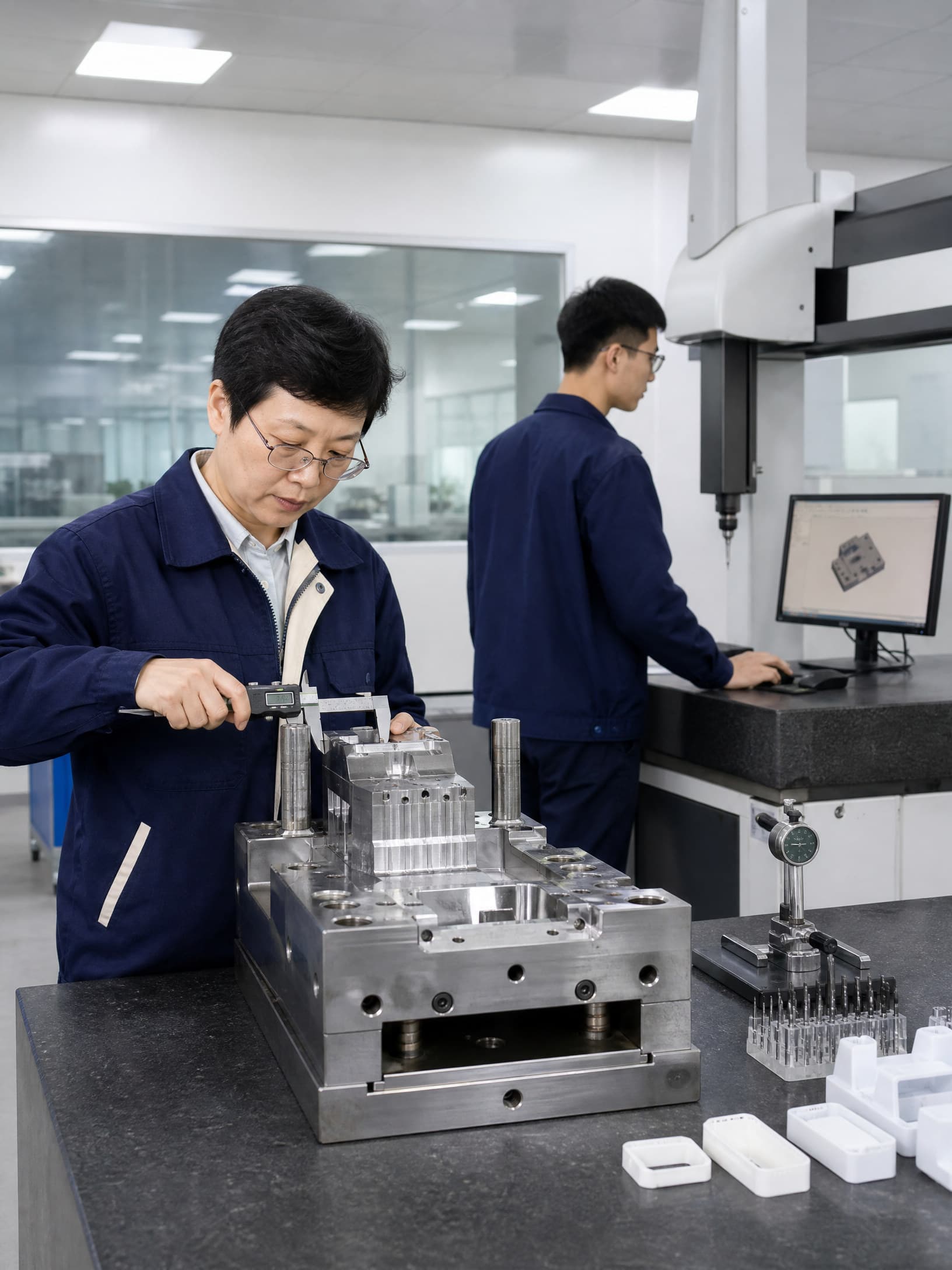
Keep each original quotation, then build a separate buyer-owned comparison sheet using one part revision and commercial basis. Do not force different technical routes into a false match. Flag a different cavity count, tool concept, or quality plan and price its consequence across the same demand scenarios.
For cross-border buying, show currency, exchange-rate date, freight, customs, VAT or sales tax, insurance, and local delivery separately unless all bidders include the same basis. This creates an auditable landed-cost decision for European, US, and Middle East teams.
| Comparison check | Comparable evidence | Warning sign |
|---|---|---|
| Part definition | Same CAD revision, drawing, resin, and cosmetic standard | Earlier revision or undefined material equivalent |
| Volume horizon | First release, annual scenario, and allocation quantity stated | Unit price without release or call-off assumption |
| Tooling scope | Build, trials, changes, ownership, and maintenance listed | Included tooling without allocation or ownership terms |
| Quality scope | CTQs, methods, records, and sample plan stated | Quality included without evidence definition |
| Commercial basis | Currency, validity, Incoterm, packing, and exclusions shown | Delivered and ex-works prices treated as identical |
06
H2: Ask suppliers to explain the movements in their model
Ask each supplier to explain the three largest changes between low-volume and high-volume scenarios. A useful answer connects the movement to tooling allocation, cavities, cycle assumptions, material purchasing, inspection, or shipment pattern. Also ask what changes if demand is released in smaller batches, resin supply changes, or an engineering revision is introduced.
Evidence matters as much as arithmetic. A supplier that states assumptions and exclusions gives purchasing and engineering a basis for approval and later change control.
07
H2: Make the RFQ decision-ready
Send CAD, drawing, resin and colour requirements, cosmetic zones, CTQs, release pattern, forecast scenarios, sample needs, inspection requirements, packing specification, destination, and requested Incoterm. State whether prices are needed separately for tooling, sampling, low-volume releases, and recurring production.
Request a line-item response and short assumptions sheet. Alternatives are useful when they identify the effect on tooling, process, quality plan, price basis, and buyer decision. Submit your RFQ to InjeForm for a transparent injection molding price per part model, technical assumptions, and exclusions tailored to the part.
Practical takeaway
Before you move
to the next review.
- Use one released CAD and drawing revision for every bidder.
- State first-release, annual, and program-quantity scenarios plus the call-off pattern.
- Separate engineering, tooling, trials, gauges, and recurring per-part costs.
- Confirm resin grade, colour, regrind rule, and traceability requirement.
- Request cavity count, parts per shot, cycle-time basis, yield, and labor content.
- Define CTQs, cosmetic acceptance, inspection records, and sample approval evidence.
- Compare currency, Incoterm, packing, freight, insurance, duties, and tax consistently.
- Record mold ownership, maintenance, modification, storage, and transfer terms separately.
FAQ
Common questions
Why does injection molding price per part change with volume?
Engineering, tooling, trials, and qualification can be allocated over more accepted parts as planned quantity rises. Resin, machine time, labor, inspection, scrap, packing, and logistics still need their own assumptions, so there is no universal discount curve.
Is low volume injection molding only for prototypes?
No. It may support pilots, market testing, service demand, or bridge production. The right route depends on part complexity, change risk, quantity pattern, quality requirements, and commercial terms rather than one fixed quantity threshold.
How should buyers compare high-volume quotes with different cavity counts?
Compare total program cost at identical demand scenarios, then review parts per shot, cycle time, yield, tool investment, quality plan, maintenance, and change implications. Do not compare recurring unit prices alone.
What should be separate from a manufacturing unit-price comparison?
Do not silently mix Incoterms, freight, customs duties, taxes, insurance, local delivery, financing, or currency exposure. Include each item on the same basis or show it separately in a landed-cost model.
What RFQ output best supports a price-per-part decision?
Ask for a line-item quote that labels one-time, per-release, per-shot, and per-accepted-part charges, states technical and commercial assumptions, and lists exclusions. It creates an audit trail for award and later changes.
References
Source material
- [1] Xometry, Understanding Injection Molding Cost for Manufacturers
- [2] Protolabs, Understanding Injection Mold Cost for Parts and Tooling
- [3] Plastics Engineering, 3 Tips for Cooling Design in Injection Molding
This guide is general information for early procurement and engineering discussion. It does not replace product-specific DFM, qualification, validation, regulatory assessment or legal advice.