
Build a buyer-side model before asking suppliers to defend a headline number. A sound injection molding cost estimate separates one-time decisions from recurring costs, applies demand scenarios rather than a single optimistic forecast, and records what has not yet been verified. It will not predict a supplier’s final commercial position or replace design-for-manufacturability review. It will, however, help teams in Europe, North America and the Middle East compare like with like, identify the assumptions that move the result, and decide what evidence to request before approval.
Treat the model as a decision record, not a price promise: every total should show its currency, delivery basis, forecast scenario, technical revision and unresolved assumptions.
01
Start with the cost boundary, not the unit price
First decide what the number supports: a business case, sourcing comparison or purchase order. Define whether it ends at the supplier’s gate, includes freight, or follows goods to a named destination. Keep tax, duty, inland transport, inventory and quality-release costs visible. Incoterms rules allocate delivery tasks, costs and risks, but buyers still need to agree the named place, transport plan and customs responsibility.
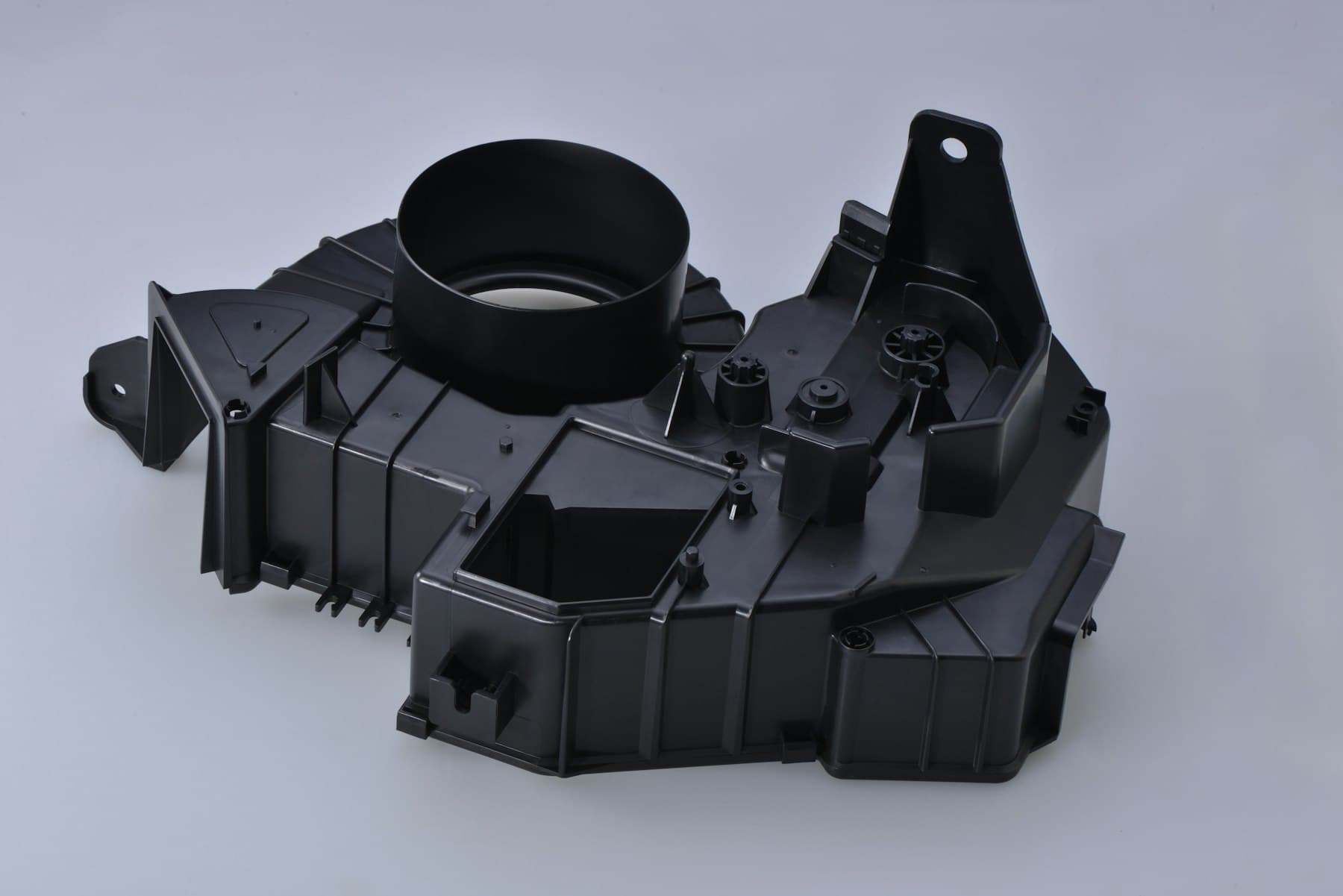
Create separate non-recurring and recurring rows. The tooling cost injection molding line should identify the assumed tool concept, design and trial scope, samples, ownership, maintenance and proposed fixtures. Do not call it simply ‘mold’ if it includes changes, spare inserts, gauges or freight. For recurring spend, separate resin, runner policy, molding, secondary work, inspection, packing and scrap treatment. That prevents a comparison where one response includes bagging or inspection and another leaves it for later.
| Cost layer | Include or state explicitly | Buyer verification question |
|---|---|---|
| Tooling and engineering | Tool design, mold build, agreed trials, change allowance, fixtures or gauges if proposed, and tool logistics. | What is included, excluded or conditional, and who approves a change? |
| Material system | Specified resin grade or approved alternative, colour, additives, purchased material form, runner treatment and yield assumption. | Which grade and material handling rules were priced, and what evidence confirms they remain valid? |
| Molding conversion | Press and labor assumptions, cycle basis, cavities assumed, setup allocation, automation or hand operations, and expected process yield. | Which inputs are estimates, and which will be confirmed during DFM and trial? |
| Finishing and quality | Trimming, assembly, insert loading, marking, inspection, records, rejected-part treatment and final packing. | What acceptance criteria and sampling or inspection activities are actually included? |
| Delivered commercial cost | Packaging, origin handling, freight, insurance where agreed, customs-related charges, duty, local handling and currency treatment. | Which delivery term, named place, currency date and importer responsibilities are used? |
| Programme exposure | Demand changes, engineering revisions, storage, service spares, ramp profile and supply interruption contingencies. | What remains outside the quoted scope but could change the business case? |
02
Build the recurring model from physical and operational inputs
A defensible injection molding price per part starts with inspectable inputs: part revision, resin direction, net mass, runner assumption, cavity count, expected yield, process route, secondary work and packing. Mark whether each value came from CAD, a supplier estimate or prior programme data. Net mass is not the complete material basis: runner treatment, purge material, colour-change loss and rejected-part treatment can alter it.
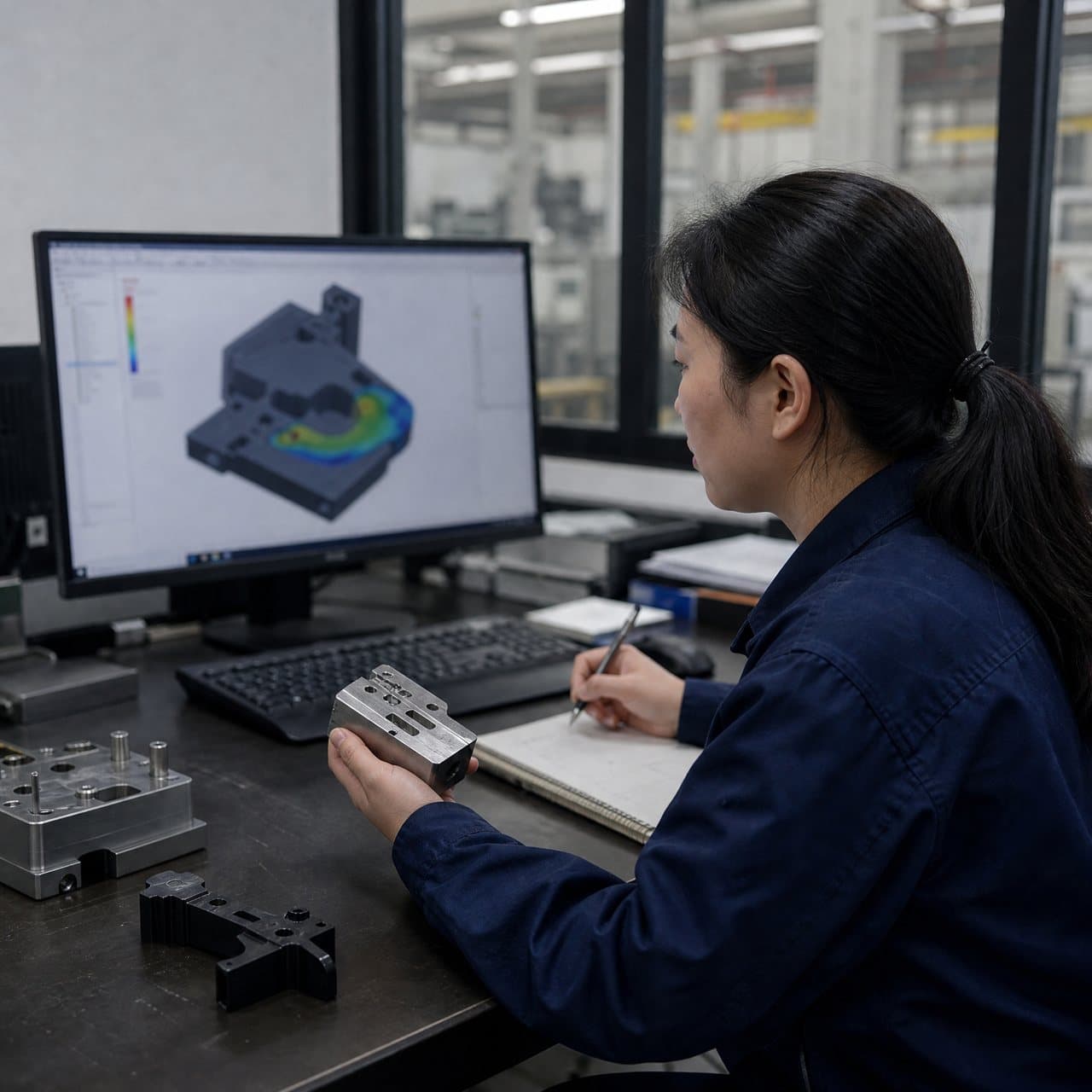
Model conversion as a range around a stated process basis, not a universal machine-hour figure. Geometry, cooling, resin, feed system, ejection, automation and quality requirements all affect cycle duration. Cavities increase output per shot but also affect tool investment, balance, handling and maintenance. Use design guidance to ask about undercuts, inserts, cosmetics and cavity layouts; do not use it to promise a rate before review.
Use a simple internal equation: material plus molding conversion plus secondary work plus quality and packaging plus a stated yield allowance. Retain an all-in supplier price as a comparison row if that is all that is offered. Do not reverse-engineer a supplier’s margin; the model should show sensitivity, not false precision.
| Model input | Why it changes recurring cost | Evidence status to record |
|---|---|---|
| Released geometry and resin direction | Controls mass, flow path, shrinkage response, tool details and suitability of the assumed process. | CAD revision, drawing notes, resin grade or open selection decision. |
| Cavity and feed concept | Changes output per cycle, material use, tool complexity and the balance of work across cavities. | Supplier concept, not a buyer assumption copied from another part. |
| Cycle and operating route | Influences conversion exposure and may change with cooling, automation, inserts, trimming or handling. | Provisional estimate, DFM proposal, or evidence from the actual production route. |
| Yield and rework treatment | Determines how rejected pieces, start-up loss and rework are reflected in the usable-part denominator. | Defined acceptance criteria and agreed treatment, rather than an unexplained percentage. |
| Secondary operations and packaging | Can dominate variation when assembly, printing, testing, special packing or customer-supplied items are involved. | Work instruction concept, supplied-item responsibility and packing specification. |
03
Amortise tooling across scenarios instead of one forecast
An injection mold cost estimate should distinguish cash outlay from amortised decision cost. Cash outlay funds the agreed tool scope; amortisation spreads it across selected acceptable parts. The first supports approval and cash planning, while the second shows how the forecast changes total cost per usable part.
Use conservative, planning and upside demand scenarios. State quantity, timing profile, service-part expectation, revision risk and tool concept for each. Production volume injection molding is not just an annual total: a flat forecast and a short peak can make different demands on stock, press time and tool availability. Avoid treating one forecast as proof that high cavitation is appropriate.
Calculate on good parts, not nominal shots. State whether the denominator is ordered parts, accepted parts shipped or expected lifetime parts. Ask the supplier to identify tool-life, maintenance, spare-insert and change-control assumptions. These need verification; a generic calculator cannot settle them.
| Scenario | Model purpose | Decision checks before relying on it |
|---|---|---|
| Conservative demand | Tests exposure if launch, repeat orders or programme life are below plan. | Can the proposed tooling, minimum order, packaging and logistics basis still support the business case? |
| Planning demand | Represents the budget scenario approved by purchasing and the product owner. | Are the forecast, material choice, quality scope and delivery term version-controlled? |
| Upside demand | Tests whether a higher order pattern changes cavitation, automation, stock or tool-maintenance decisions. | Would higher output require a new tool concept, different inventory plan or additional evidence before commitment? |
04
Normalise supplier responses into a total-delivered comparison
Read an injection molding quote as a scope statement before ranking price. Build a ledger with one column per supplier and a row for every assumption that could move the result. Transfer stated currency, validity, delivery term, named place, cavity concept, resin, inspection, secondary work, packing and exclusions exactly as written. Mark silence as unconfirmed rather than filling a preferred answer.
For cross-border sourcing, model currency conversion separately and record its date or convention. European, North American and Middle East buyers may face different customs, domestic transport, brokerage, port and tax treatment. Verify these jurisdiction-specific items with the importer of record, broker, finance team or qualified adviser; do not infer them from another market.
A lower delivered total does not prove equivalent technical scope. Confirm CAD revision, material designation, visible-surface restrictions, interfaces, acceptance route, packing, tool ownership and change procedure. Retain alternatives as separately labelled scenarios rather than blending them into one apparent unit price.
| Comparison field | Normalisation action | Why it matters |
|---|---|---|
| Currency and date basis | Convert only for internal comparison and retain the supplier’s original amount and quote date. | Prevents exchange-rate movement from being mistaken for manufacturing performance. |
| Delivery term and named place | State the exact agreed term and destination or handover point; assign freight, insurance, export and import activities explicitly. | Clarifies cost and risk boundaries across regions. |
| Technical scope | Align CAD revision, resin, tool architecture, cavity plan, surface requirements and secondary work. | Avoids pricing different parts or different manufacturing routes as if they were equivalent. |
| Quality and acceptance | List inspection, documents, sample approval, containment and rejected-part responsibilities. | Makes quality-related work and risk visible before a purchase decision. |
| Tool commercial terms | Record ownership, storage, maintenance, modification, transfer and end-of-programme treatment. | Prevents a one-time tool line from obscuring later obligations. |
05
Operate the model as a controlled decision record
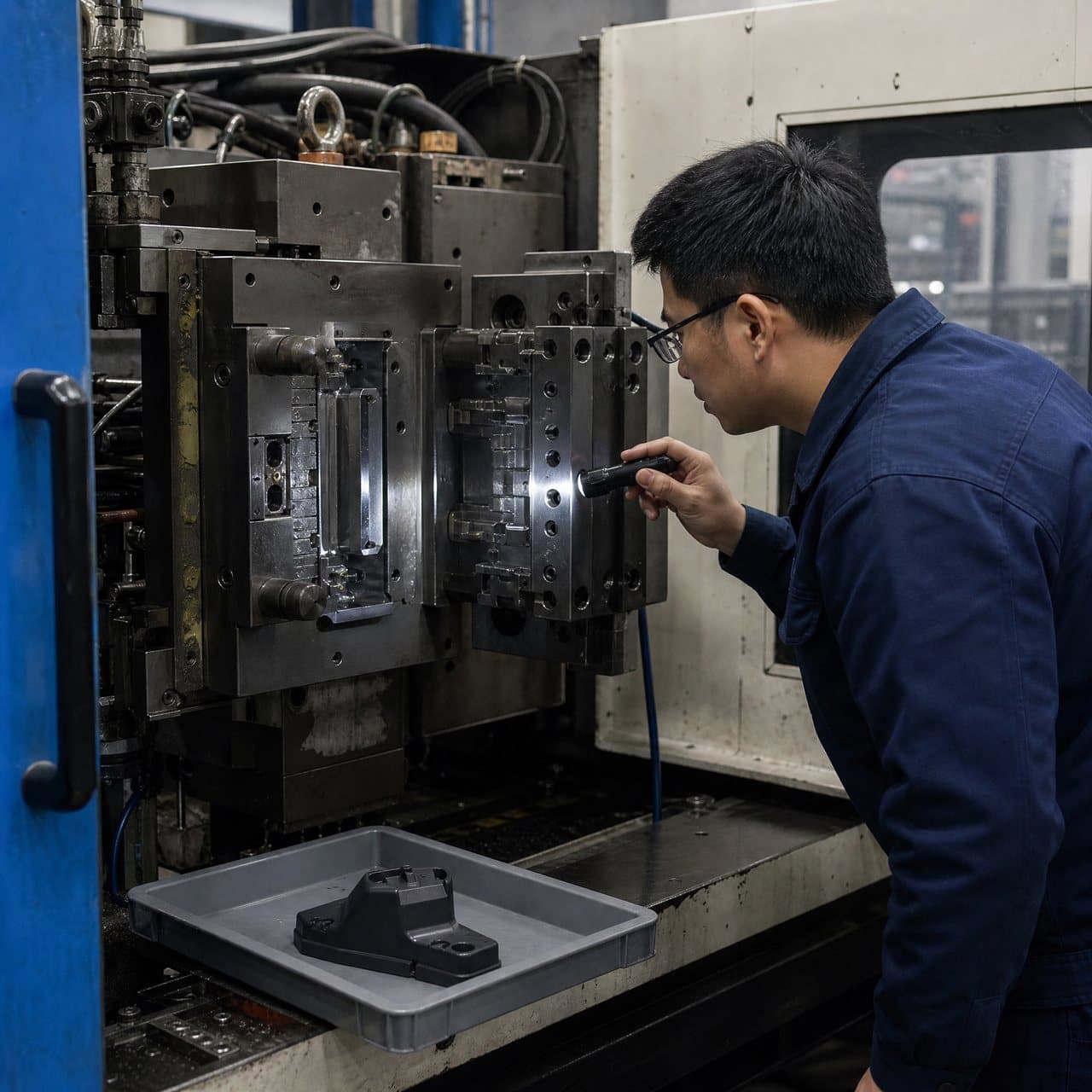
Assign ownership to the inputs. Engineering owns the released design and functional priorities; quality owns acceptance evidence; supply chain owns the delivery and commercial boundary; finance owns currency and costing conventions; the supplier confirms its manufacturing assumptions. Keep a change log that records what changed, why it changed, which scenario moved and whether a new supplier response is required. This is especially important when geometry, resin, finish, insert strategy or forecast changes after an initial quote.
Before a sourcing decision, run sensitivity checks on the inputs with the greatest uncertainty. Typical candidates are usable demand, resin selection, tool architecture, cycle basis, yield, manual operations, freight route and currency. A sensitivity check does not need to simulate every risk. It should show which open decisions matter enough to delay approval, request a DFM review, obtain a revised quote or reserve a contingency. It also prevents a team from arguing over small arithmetic differences while ignoring a missing operating assumption.
Finally, reconcile the model after samples and early orders only against evidence that is actually available. Update the tool scope, accepted process route, packaging and logistics basis when they have been agreed. Do not convert an early estimate into a guarantee, and do not use another buyer’s part history as proof for this design. A transparent record makes later discussions about changes, demand and total cost more constructive because the starting assumptions remain visible.
Practical takeaway
Before you move
to the next review.
- Define whether the model is supplier-gate, named-place or total-delivered, and state the currency and delivery term beside every total.
- Separate one-time tooling, recurring molded-part cost, secondary work, quality, packing and cross-border logistics into visible rows.
- Use conservative, planning and upside demand scenarios, with the denominator defined as usable parts rather than nominal shots.
- Request a supplier confirmation of CAD revision, resin direction, tool concept, cavities, quality scope, packaging, ownership and exclusions.
- Log every unverified assumption with an owner, evidence needed and the decision it could change.
FAQ
Common questions
Can a buyer build a model before the mold design is complete?
Yes, as a planning model. Use ranges and clearly labelled provisional assumptions for tool concept, cavity plan, material, processing route and secondary work. A DFM review and supplier response should replace those assumptions as the programme matures; they should not be treated as proof of final performance or commercial commitment.
Which cost should be used when demand is uncertain?
Use scenarios rather than choosing one convenient quantity. Keep the cash tooling amount visible, then show the internal amortised effect at conservative, planning and upside demand. The preferred route depends on the risk of demand, engineering changes, inventory and supply continuity, not on a universal volume threshold.
How should buyers compare quotes from different regions?
First align the technical and quality scope. Then retain each original currency and delivery basis while applying one internal currency convention for comparison. Confirm the named place, importer responsibilities, freight, customs, insurance and local tax treatment with the relevant commercial and compliance stakeholders. Do not assume that a delivery term makes all destination charges comparable.
References
Source material
- [1] Protolabs, “Understanding Injection Mold Cost for Parts and Tooling.”
- [2] 3D Systems Quickparts, “Basics of Injection Molding Design.”
- [3] International Chamber of Commerce, “Incoterms® rules.”
This guide is general information for early procurement and engineering discussion. It does not replace product-specific DFM, qualification, validation, regulatory assessment or legal advice.