
Tooling cost is the one-time or program-specific cost to engineer, build, assemble, and trial the mold. Total injection molding cost is broader: it combines tooling with resin, machine and process time, labor, quality work, scrap, secondary operations, packaging, logistics, and any commercial items defined in scope. For a meaningful injection mold quote, ask suppliers to show which costs are fixed, which recur per part, and which assumptions could change after DFM or production planning.
A low plastic injection mold cost does not automatically mean a lower program cost. A tool can be inexpensive because scope is narrow, while the part price or later change exposure is higher. Compare the same technical and commercial scope before comparing totals.
01
Tooling Cost Is the Upfront Asset; Total Cost Is the Full Manufacturing Program
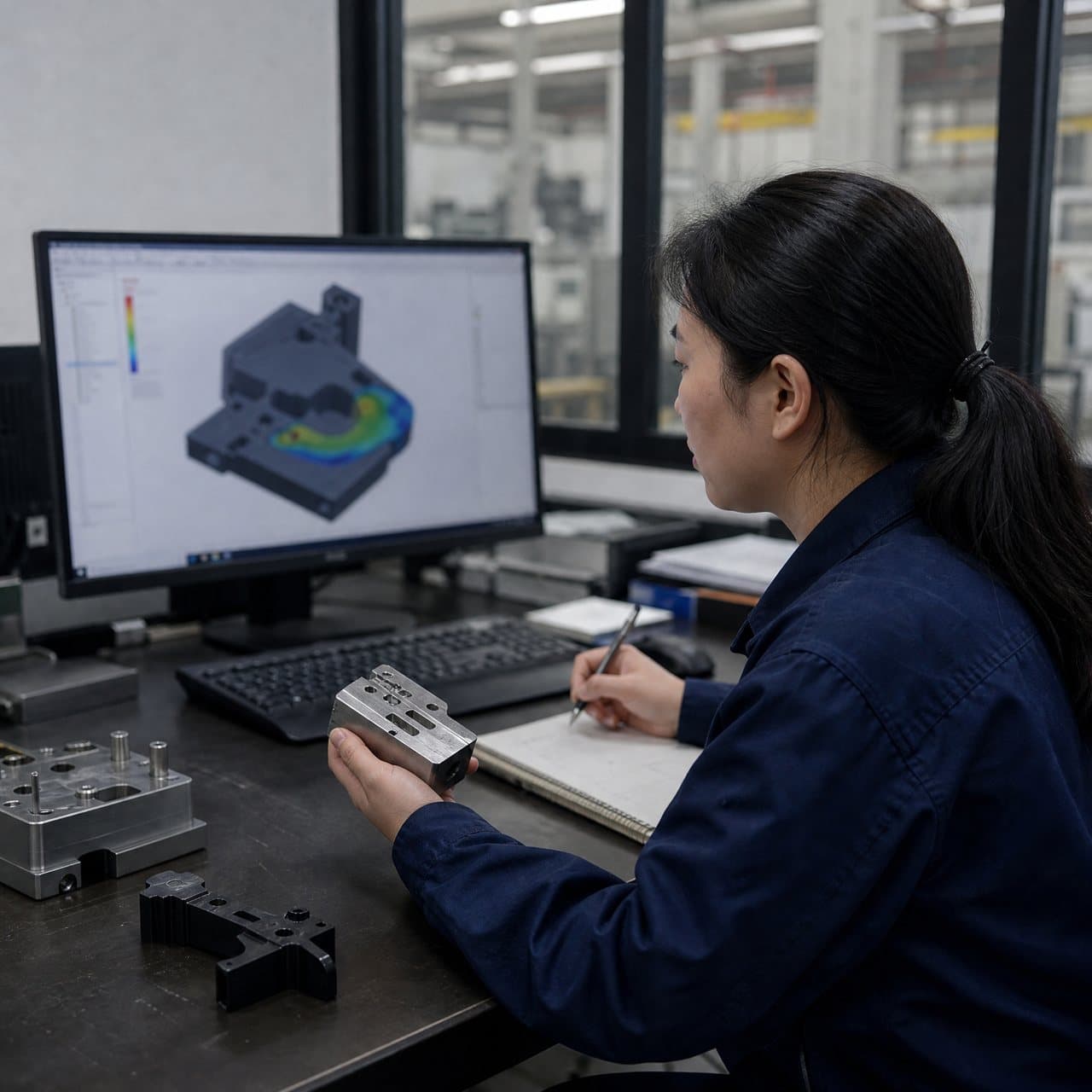
Tooling cost pays for the production asset and the work required to make it usable. Depending on the agreed scope, it can include DFM feedback, mold design, mold-base and cavity materials, CNC and EDM work, standard components, hot-runner hardware, cooling circuits, assembly, bench work, trials, and agreed sample evidence. Geometry drives much of this work. Undercuts, slides, lifters, tight tolerances, cosmetic surfaces, multiple cavities, and complex cooling can add build effort or component content. Protolabs notes that tooling time and geometry complexity are central cost drivers, and that features such as undercuts can require more mold mechanisms [2].
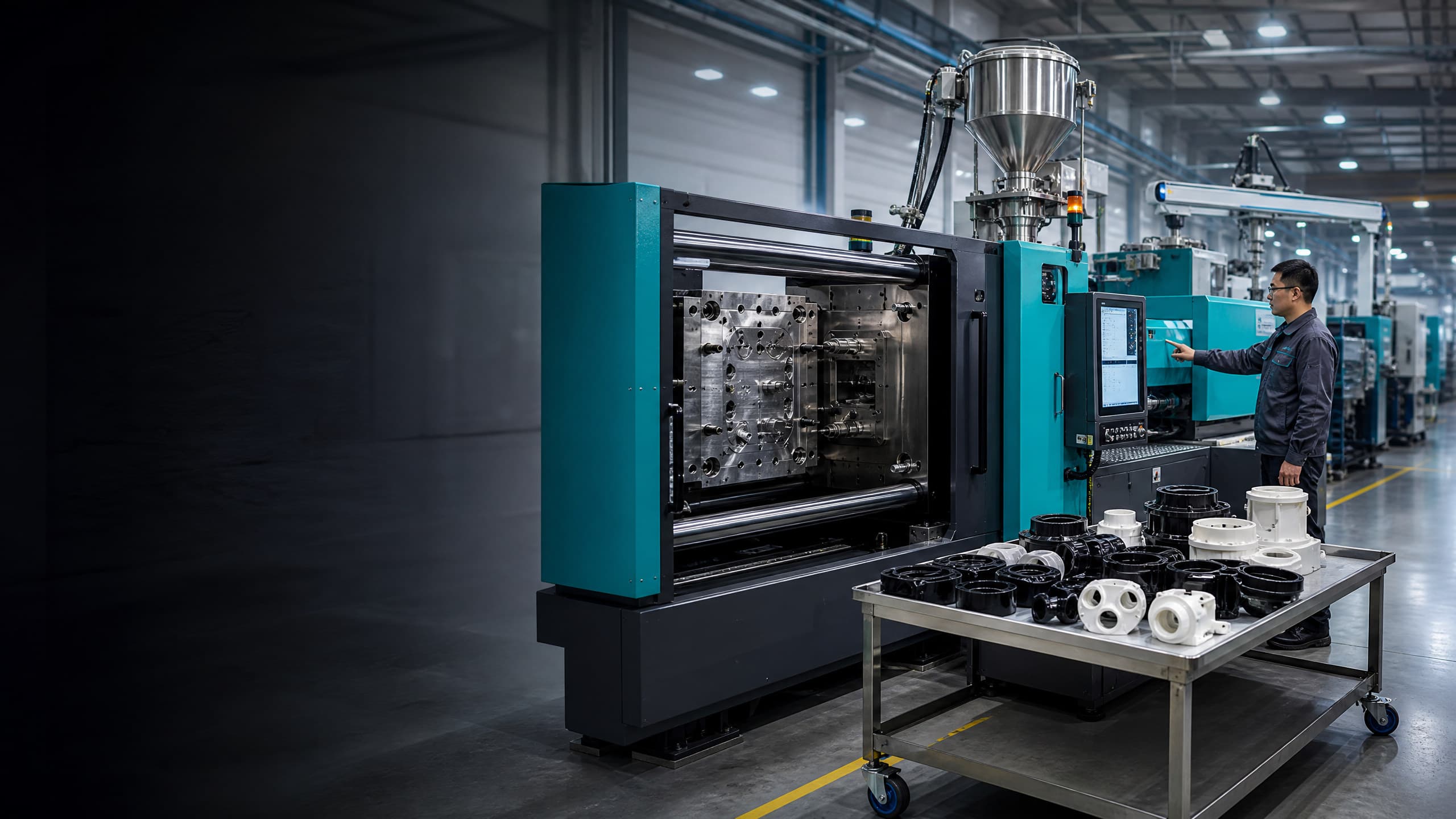
Total injection molding cost answers a different procurement question: what does it cost to obtain conforming parts through the agreed supply route? It normally starts with the tool charge, then adds recurring molded-part costs and any non-recurring or pass-through charges. Resin and colorant, runner or hot-runner waste, cycle time, press capacity, operator support, automation, inspection, rejected parts, finishing, assembly, packing, export handling, freight, and duties may all matter, but they are not automatically included. The boundary must be stated rather than assumed.
H3 — Cost ownership and timing: Tooling is often visible as a separate non-recurring line because it is paid before or around launch and may be an owned asset under the contract. Recurring part costs are priced against an order quantity, release pattern, and operating assumptions. A buyer should also distinguish total manufacturing cost from landed cost: freight, insurance, customs, local taxes, warehousing, and currency effects can materially alter the delivered result without changing the mold itself.
02
A Practical Cost Boundary for an Injection Mold Quote
A transparent quote separates the tool from the part instead of hiding one inside the other. Formlabs similarly describes the mold as a major fixed start-up cost while material, cycle time, and increasingly automated production affect the variable cost of parts [1]. The table is a cost-map, not a universal quote template: buyers should ask each supplier to mark inclusions, exclusions, quantities, and assumptions.
H3 — Use the same denominator: If tooling is amortized into an injection molding price per part, record the denominator clearly. It may be the first purchase order, an annual forecast, a nominated lifecycle volume, or a defined quantity of accepted parts. Changing that denominator changes the displayed part price even if the physical process does not change. Request both the unamortized piece price and the separate tooling figure so finance and sourcing can test scenarios.
| Cost element | Usually in tooling cost | Usually in total injection molding cost | Buyer comparison question |
|---|---|---|---|
| Design and mold build | DFM scope, mold design, steel or aluminum, machining, components, assembly and agreed trials | Included once if quoted separately; otherwise identify the amortized share | Which design revisions, trials and sample deliverables are included? |
| Resin and conversion | Not normally a tool cost | Resin grade, colorant, runner loss, drying, press time, energy, operator support and automation assumptions | What resin grade, part weight, runner strategy, cycle basis and scrap allowance were used? |
| Quality and secondary work | Tool inspection or agreed trial evidence may be included | Production inspection, measurement, sorting, printing, assembly, machining, packaging and documentation when scoped | Which checks are routine, which are extra, and what acceptance plan applies? |
| Commercial and delivery items | Tool storage, maintenance, transfer preparation or spares only if listed | Packaging, freight, export documents, duties, insurance and local delivery only if listed | Is the total ex works, delivered, or another agreed Incoterms basis? |
03
Why One Tool Can Produce Different Part Economics
The tool establishes possibilities; it does not freeze the recurring cost. A single-cavity and a multi-cavity solution may need different upfront investment, but their throughput, balancing needs, press requirement, and risk profile also differ. Likewise, a cold runner may add recoverable or non-recoverable material to each shot, while a hot-runner system changes both initial equipment content and the operating model. The appropriate choice depends on the part, resin, demand pattern, quality requirements, and validated process window rather than a generic rule.
H3 — Material and shot usage: Material cost is based on the approved resin grade, additives, color, dry-state requirement, net part mass, and the material that does not become a saleable part. Engineering resins, flame-retardant grades, reinforced materials, or tightly controlled color may have different purchasing and processing implications than commodity grades. Jaycon’s procurement guide likewise identifies resin selection, additives, mold complexity, cycle time, and secondary operations as separate pricing drivers [3].
H3 — Cycle, yield, and production conditions: The per-part conversion component depends on machine utilization, cycle time, labor content, planned output, and yield. Thick sections may need more cooling; complex ejection, inserts, or manual handling may add time. Inspection intensity and packaging can also change with the customer’s CTQs. Treat quoted cycle time, cavitation, and scrap assumptions as supplier inputs to review, not as performance guarantees.
04
Comparing Suppliers Without Mixing Tool Price and Part Price
For buyers in Europe, the United States, and the Middle East, quote comparison gets harder when suppliers use different commercial bases. One supplier may quote a tool ex works and a molded part packed at the factory. Another may include a first lot, inspection records, or delivery to a named location. Neither format is inherently better, but both must be normalized before a sourcing decision.
Ask for a two-layer comparison. Layer one is the tool package: scope, design responsibility, materials and components, trial definition, validation evidence, maintenance, ownership, storage, and transfer terms. Layer two is the recurring supply package: price per accepted part, resin basis, minimum order quantity if any, packaging, quality evidence, secondary operations, and delivery basis. Then create a scenario total using your own quantity, delivery terms, and currency assumptions.
Do not ask a supplier to guarantee a mold life, delivery date, or savings percentage before the part definition and operating conditions are established. Instead, request the assumptions and the evidence that will be used to confirm them. This is more useful than comparing a headline injection molding cost because it exposes where a lower initial figure may omit work that another quote includes.
05
Build an RFQ That Produces Comparable Cost Information
An RFQ should make it possible to price the same part and supply route. Provide a controlled 3D model and drawing, material specification, annual and release volumes, cosmetic zones, CTQs, inspection expectations, packaging method, destination or Incoterms basis, and any required secondary operations. Identify which dimensions or surfaces are functional rather than simply listing a general tolerance. If the design is not frozen, ask for a documented DFM review and list decisions that require commercial re-quotation.
Request a quote with separated lines for tooling, molded-part conversion, resin or resin-index treatment, secondary operations, quality documentation, packaging, logistics, and optional services. Ask the supplier to identify the quote-validity conditions and what changes if cavity count, material, finish, part geometry, demand, or delivery basis changes. The result is a decision record that procurement, engineering, and finance can read consistently. Ready to compare a program? Submit an injection mold RFQ with your CAD, drawing, material, volumes, CTQs, packaging, and delivery basis so the cost scope can be reviewed clearly.
Practical takeaway
Before you move
to the next review.
- Confirm whether the tooling line includes DFM, mold design, build, assembly, trials, samples, and acceptance evidence.
- Request the unamortized molded-part price and the separate tooling price, with the amortization quantity stated if used.
- State the exact resin grade, color, recycled-content requirement if applicable, part weight basis, runner approach, and material-loss assumption.
- List CTQs, cosmetic zones, inspection method, sampling or reporting requirements, and any PPAP or first-article expectations.
- Ask for the quoted cavity count, cycle-time basis, press assumptions, automation or manual content, and yield assumption as reviewable inputs.
- Separate secondary operations, packaging, freight, insurance, duties, and local delivery from the factory part price unless expressly included.
- Document tool ownership, storage, maintenance, modification approval, spare-part, and transfer conditions before placing the order.
FAQ
Common questions
Is injection mold cost the same as injection molding cost?
No. Injection mold cost usually refers to the cost of the production tool and associated agreed development work. Injection molding cost is broader and can include the tool plus recurring manufacturing, quality, packaging, and delivery items defined in the commercial scope.
Why can a low tooling quote still lead to a higher total cost?
A lower tool figure may reflect a different scope, such as fewer included trials, different components, a simpler runner solution, excluded inspection, or later change exposure. It can also be paired with a higher recurring part price. Compare scope and assumptions before treating either quote as lower.
How should tooling be amortized into the injection molding price per part?
Divide the separately stated tooling amount by a defined planning quantity, then add it to the unamortized price per accepted part for that scenario. Keep the planning quantity visible, because a different order or lifecycle quantity produces a different amortized result.
What should an injection mold quote show separately?
It should distinguish tool scope, molded-part price, resin basis, secondary operations, quality documentation, packaging, logistics, taxes or duties when applicable, and exclusions. It should also state the technical assumptions used to price the part.
Can buyers compare suppliers using only a unit price?
No. Unit price is meaningful only with the same resin, quantity, quality criteria, packaging, delivery term, and tooling treatment. Normalize those inputs and review the separate tool package before making a commercial comparison.
References
Source material
- [1] Formlabs — How to Estimate Injection Molding Cost?
- [2] Protolabs — Understanding Injection Mold Cost for Parts and Tooling
- [3] Jaycon — Injection Molding Cost: A Guide for Engineers and Procurement
This guide is general information for early procurement and engineering discussion. It does not replace product-specific DFM, qualification, validation, regulatory assessment or legal advice.