
Selecting a hot runner mold maker is not simply a choice of a tool shop or a hot-runner brand. It is a procurement decision about an integrated production asset: the part and resin, the mold structure, manifold and nozzles, temperature control, any valve actuation, the molding machine interface, and the people who will start, troubleshoot and maintain the system. A supplier can be credible for conventional tools yet still leave important heated-system interfaces undefined. Buyers should therefore assess the proposed route for their own part rather than treat a familiar component name or a general capability statement as proof of fit.
For European, North American and Middle East programs, the starting point is a controlled technical brief and a clear operating location. Provide the current CAD and drawing, resin grade or approval path, colour, fillers or additives, cavity and demand direction, allowed gate zones, visible surfaces, critical interfaces, intended production site and sample purpose. Then ask candidates to state what they will design, what they will source or integrate, who owns technical decisions at each interface, and what records transfer with the tool. This approach is deliberately cautious: a hot runner can improve a defined process, but it does not by itself establish part quality, output, dimensional capability or regulatory conformity.
Do not award a heated-runner tool on a generic system label. Require a named integration concept, an assumption register, a trial plan and a service handover package that apply to the actual part, resin, press and production site.
01
1. What should buyers ask before inviting a hot-runner tooling quote?
Begin with the production question, not a requested brand or a promise of material savings. A hot runner system keeps melt in a temperature-controlled manifold and nozzle path until it reaches the cavity gate. That can change runner handling, gate placement and process control, but it also creates thermal, electrical and maintenance interfaces that must work with the selected resin and press. State whether the programme needs a thermal gate or whether a valve gate mold is being considered for a defined cosmetic, packing or flow-control reason. Do not require valve gating merely because it sounds more advanced; its moving pins, actuation and controls should solve a documented part or process need.
Ask every bidder to work from the same controlled input set: part revision, material direction, permitted gate witness, cosmetic zones, cavity intent, demand pattern, production site and sample purpose. Record undecided items with an approval owner. This prevents one supplier from quoting a basic thermal arrangement while another allows for a more complex concept, with neither difference visible in the total price.
| RFQ input | Buyer question | Evidence to request |
|---|---|---|
| Part and material definition | Which CAD revision, resin grade, colour and additives govern the proposal, and what remains provisional? | Revision list, marked cosmetic and gate-zone views, material assumption register. |
| Production context | Which press, production site, batch pattern and changeover conditions are expected? | Documented machine and utility assumptions, including items to be verified before trial. |
| Gate concept | Is the proposal thermal or valve-gated, and what part requirement justifies the choice? | Marked layout and a concise explanation of gate, vestige, flow and service trade-offs. |
| Integration boundary | Who designs the mold, supplies the system, configures controls and supports installation? | Named responsibility matrix and list of bought-in components or external parties. |
02
2. How can a buyer compare a maker’s integration capability rather than its marketing claims?
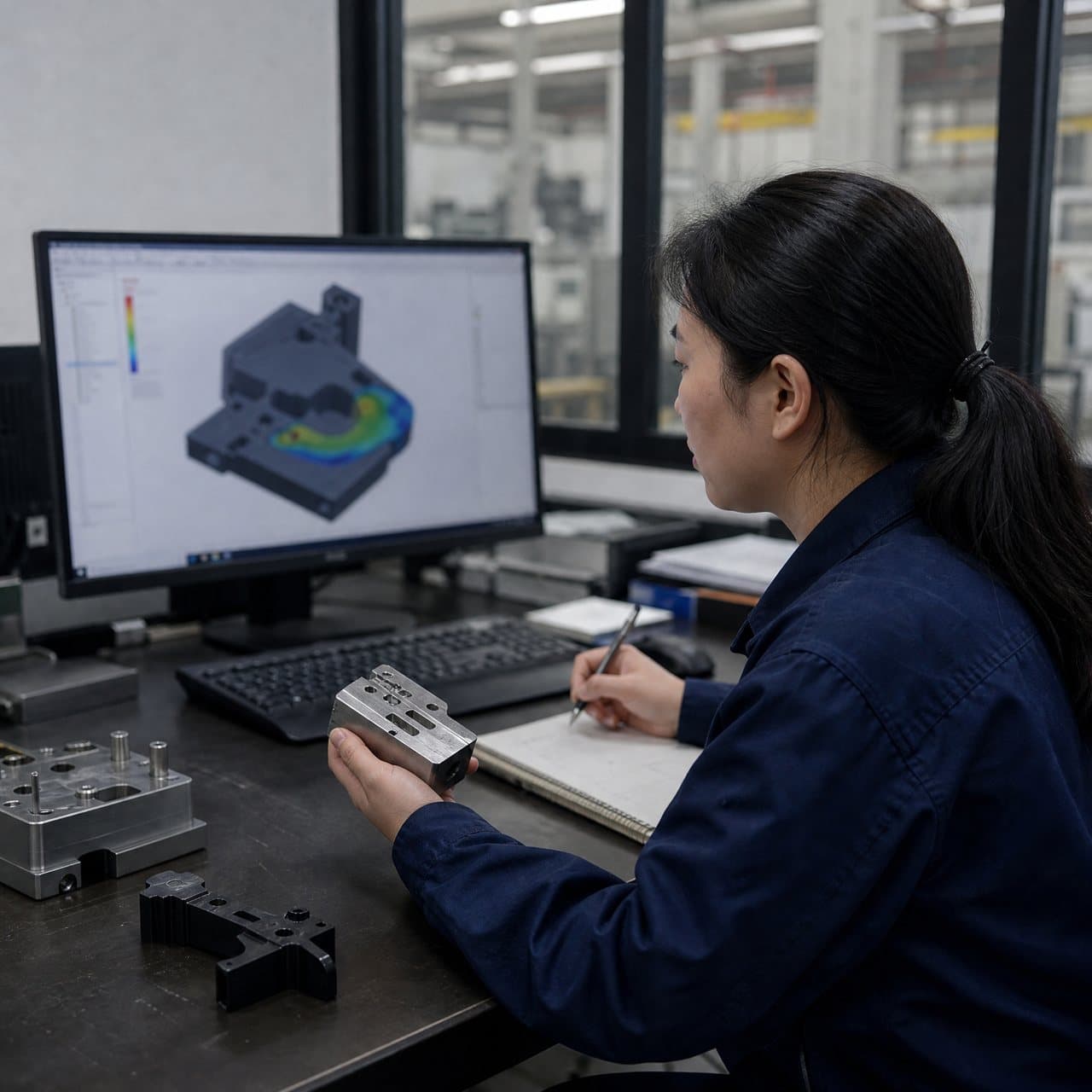
The central question is whether the candidate can turn injection mold hot runner design into a traceable, serviceable mold concept. Request a marked proposal showing the parting and opening direction, cavity plan, manifold and nozzle locations, gate type, cooling and ejection context, access for installation and service, and interfaces for wiring, thermocouples, cooling and any pneumatic, hydraulic or electric valve actuation. The level of detail will mature as the project does, but the candidate should make its main assumptions and constraints visible before steel is released.
Evaluate design review quality through the questions asked, not through a universal layout preference. A credible review connects gate selection to the named resin, flow path, critical features and likely filling or packing concerns, then identifies what simulation, resin-supplier input or trial work is needed. Gate type, manifold balance, melt-channel sizing, temperatures, resin and timing interact; judge the proposal as a system, not by cavity count or a catalogue designation alone.
| Comparison area | A usable supplier response includes | Question to resolve before award |
|---|---|---|
| Tool and hot-half concept | A layout tied to the current part revision, cavity plan, gate approach and known constraints. | Which dimensions, resin inputs or cosmetic decisions could still change the concept? |
| Control and utilities | Controller scope, zone identification, cable and connection assumptions, plus applicable valve-actuation interfaces. | Who confirms compatibility with the actual molding machine and local utilities? |
| Maintainability | Access assumptions, recommended wear or spare items and an identified route for service documentation. | Which party supplies replacements, diagnoses faults and authorizes alterations after handover? |
| Change control | A method to record changes to resin, gate, nozzle, controller setting, cavity work or external components. | Which changes need buyer approval and which records will be revised? |
03
3. When is a valve-gate proposal worth the additional procurement scrutiny?
A thermal hot-tip arrangement and a valve-gate arrangement are not interchangeable descriptions of a hot runner mold. Thermal gating has no moving shutoff pin at the gate. Valve gating uses a pin that opens and closes mechanically, which may give additional control over gate shutoff and, in multi-gate cases, timing. Those possible benefits must be weighed against a more complex tool, actuation, controls, maintenance access and restart procedure. The buyer should ask what specific requirement the valve mechanism addresses, such as a defined gate condition, sequence-controlled flow concern or packing objective, rather than accept a blanket claim of better quality.
Compare alternatives against the same part revision and acceptance criteria. The maker should explain gate locations, any simultaneous or sequential timing, effects on visible areas and packing, and the evidence planned to test the assumptions. If gate quality is critical, agree a visual standard, surface zones, sample condition and review authority. Also request the actuator, utility, controller, safety, fault-response and spares boundaries before the tool moves to a distant production site.
04
4. What should an injection mold trial prove before production release?
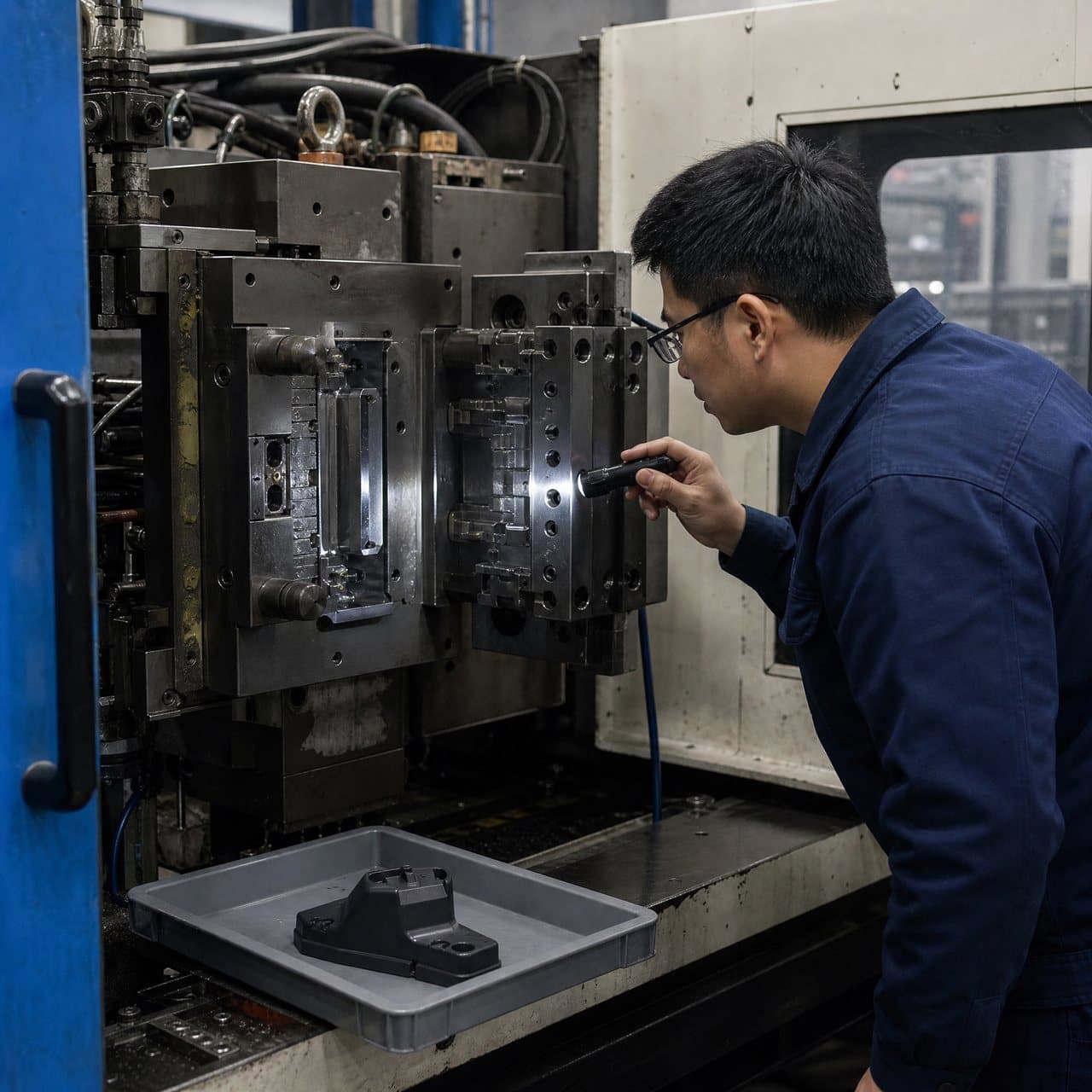
An injection mold trial should be planned as a decision gate, not a demonstration that parts can be produced once. Before the event, define the current mold and part revision, actual resin identification, intended press and controller condition, cavity traceability, visual criteria, critical dimensions, conditioning or measurement timing, assembly checks and the person allowed to disposition deviations. The test should reflect the purpose of the sample. An early trial may establish basic filling and functional learning; it should not be represented as a full production release unless the agreed inputs and evidence support that conclusion.
For a heated system, record the configuration and zone map, material identification, gate condition, cavity observations where relevant, settings, adjustments, measurement results and open issues. If a valve-gated concept is used, record the timing approach actually evaluated. These records are a controlled baseline, not a guarantee of future cycle time, output or universal tolerance.
| Release question | Evidence at trial or handover | Decision owner |
|---|---|---|
| Was the stated material and configuration evaluated? | Material identification, tool revision, system configuration and recorded test condition. | Buyer-designated engineering or quality authority. |
| Are gate, appearance and critical features acceptable for this sample purpose? | Visual review, measurements and assembly or functional observations against agreed criteria. | Product owner with the relevant technical reviewers. |
| Are open issues controlled? | Issue log with proposed action, responsible party, due condition and change reference. | Named program owner. |
| Can the receiving site operate and service the tool safely? | Document index, interface information, manuals, spares route and escalation contacts. | Receiving production site and buyer-designated operations owner. |
Practical takeaway
Before you move
to the next review.
- Issue one controlled RFQ brief that identifies the part revision, resin direction, gate restrictions, cavity intent, production site and open decisions.
- Require each candidate to show the proposed hot-half and gate concept, system and controller boundary, utilities, external suppliers and assumptions rather than quoting a generic hot runner.
- Ask for a responsibility matrix that names the owners of mold design, system integration, trial support, service, spare parts, changes and receiving-site compatibility.
- Compare thermal and valve-gate concepts against the same product requirements, visible-surface criteria, material assumptions and trial evidence plan.
- Release production tooling only after the agreed trial records, unresolved-risk log and usable technical handover package have been reviewed by the designated owners.
FAQ
Common questions
Should buyers nominate the hot-runner brand before selecting a mold maker?
Not necessarily. A nominated system may be appropriate when it reflects a validated plant standard or customer requirement, but the maker still needs to show how it will be integrated with the part, mold, controller, press and service plan. If no system is nominated, ask candidates to state their proposed configuration, assumptions and support boundary so the alternatives can be compared fairly.
Is a valve gate mold automatically better for production tooling?
No. Valve gating can provide controlled shutoff and may support particular gate-quality or flow-timing needs, but it also adds mechanical, control and maintenance considerations. Select it when the supplier can connect the added complexity to a stated part or process requirement and define how that requirement will be checked in trial.
What is the most useful evidence after the first trial?
Evidence is most useful when it identifies the actual material, tool and system condition, process settings, cavity traceability, relevant visual and dimensional observations, adjustments and unresolved issues. It should be read against the predefined purpose of the trial. A first trial alone should not be treated as proof of long-term production performance or product compliance.
References
Source material
- [1] Husky, Hot Runner Fundamentals: What is a Hot Runner System?
- [2] Mold-Masters, Hot Runner Equipment User Manuals
- [3] Fictiv, Valve Gating for Injection Molding: What You Need to Know
- [4] ISO, ISO 20457 Plastics moulded parts
This guide is general information for early procurement and engineering discussion. It does not replace product-specific DFM, qualification, validation, regulatory assessment or legal advice.