
A hot runner mold and a cold runner mold both move melt from the machine nozzle to the cavity, yet they allocate risk and cost very differently. A cold layout forms a solid runner that leaves the mold with the shot. A heated manifold and nozzle arrangement keeps the distribution path molten and can feed the cavity directly. That distinction affects material accounting, gate presentation, start-up and changeover procedures, troubleshooting, and the tool’s support plan. It does not, by itself, prove a better part, a shorter project, or a lower lifetime cost.
For buyers in Europe, North America and the Middle East, the useful question is not which system is universally superior. It is whether a defined part, approved resin grade, demand pattern and operating model justify one proposal over the other. The comparison should include how the supplier will validate filling and packing, what happens to runner material, what gate evidence is acceptable, and who supports the controller and wear items after handover. This guide frames that injection mold design review as a procurement and engineering decision record rather than a generic list of advantages.
Do not approve a runner concept from the mold price alone. Ask suppliers to price and explain the same part revision, resin grade, cavity plan, gate requirement, run pattern, colour-change policy, acceptance evidence and service boundary.
01
Start with the melt path, then define the programme assumptions
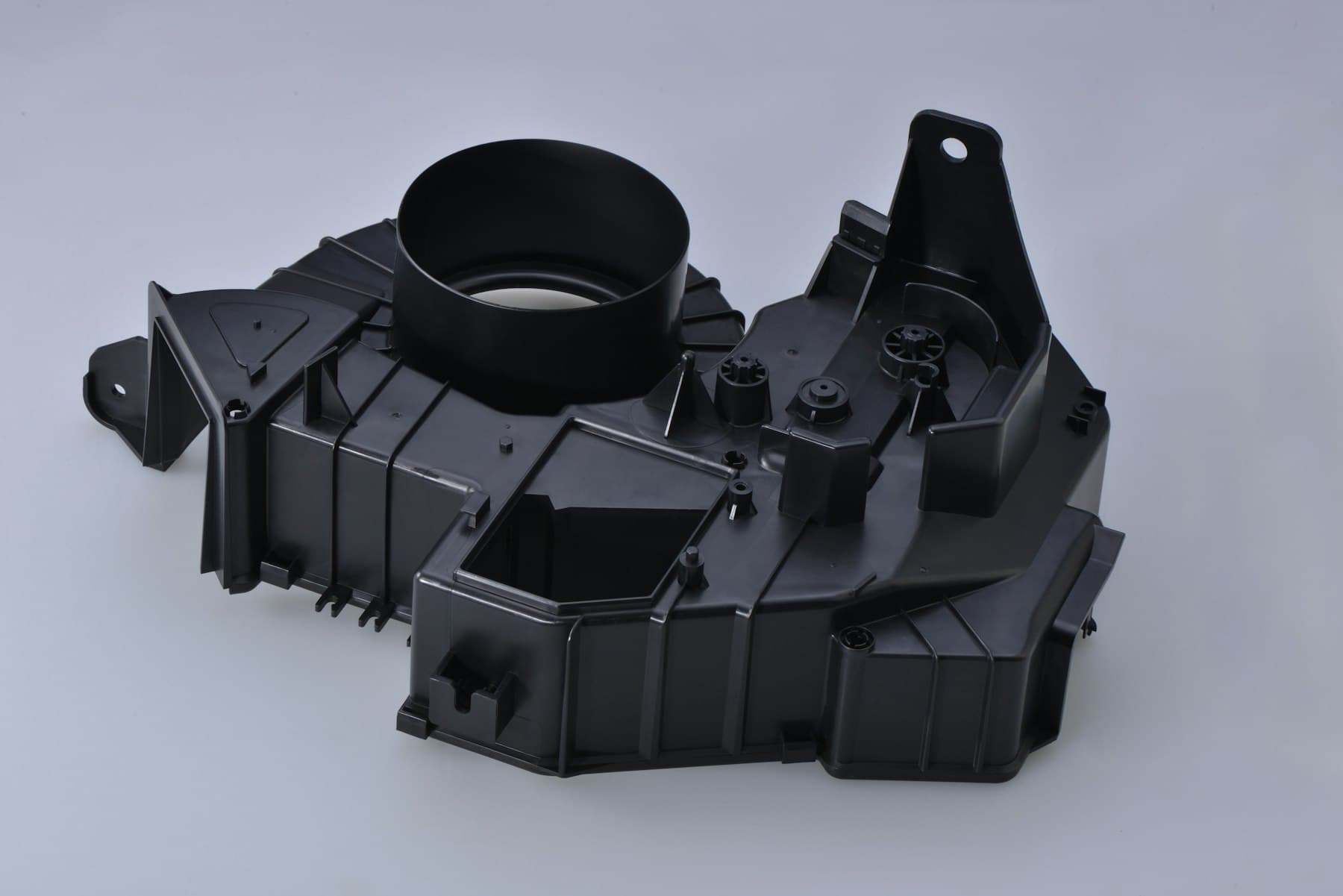
In a cold system, channels machined into the mold convey melt to the gates and then solidify. The molded shot therefore includes both parts and runner. In a heated system, manifold and nozzle components are temperature-controlled so that the distribution channel remains molten between shots. Hot-tip and valve-gate arrangements are different gate concepts within the heated approach; neither should be treated as an interchangeable label. The specified resin, gate location, cosmetic expectation and cavity layout determine whether either option is workable.
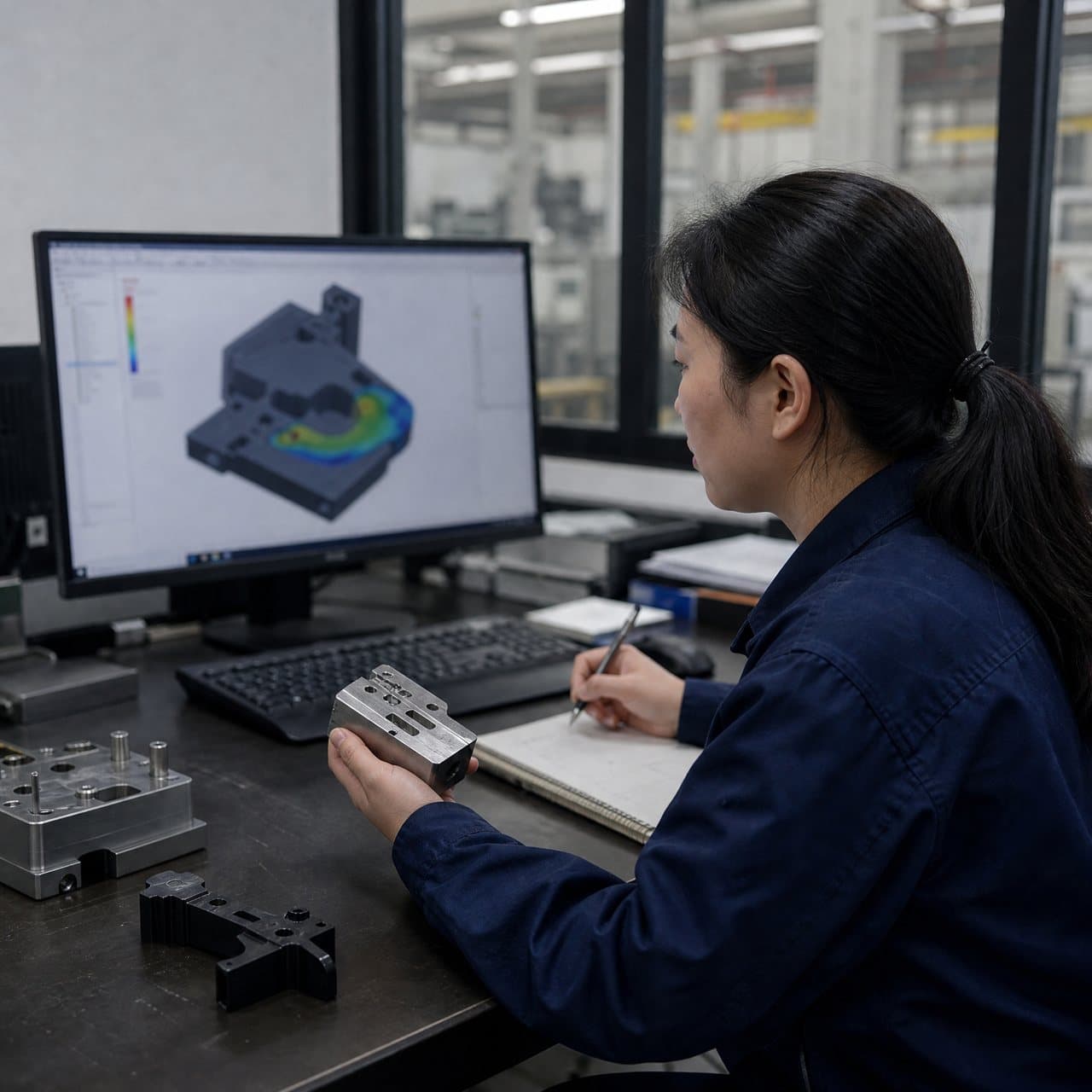
The runner system injection molding review should begin before a buyer asks for a cost comparison. Supply the current CAD and drawing, resin grade or approval path, colour, permitted regrind policy, annual and batch demand, intended machine constraints, cosmetic zones, critical interfaces and expected revision risk. A multi-cavity layout needs more than symmetrical-looking channels: melt viscosity, pressure drop, flow length and gate conditions all influence balance. Published research on multi-cavity runner design likewise treats resin rheology and runner geometry as linked inputs rather than fixed rules.[1]
This matters especially when quotations are sourced across borders. State the intended installation country, controller power and communication expectations, preferred documentation language, and practical route for spare parts or technical support. These are verification points, not assumed capabilities. European, North American and Middle East buyers may also have different internal requirements for import documentation, customer specifications and service response; the buyer should identify those requirements in the RFQ rather than assume a runner type addresses them.
02
Compare the whole operating case, not an assumed break-even volume
A heated system often carries more components to design, control and service. A cold system may have a simpler initial tool construction, but it creates a runner that must be separated, captured, reground, stored, sold as scrap or discarded according to the programme’s material policy. Neither observation produces a universal volume threshold. The financial result depends on runner mass relative to part mass, resin value, permitted reuse, scrap segregation, labour or automation, cycles actually achieved, downtime exposure and how long the programme remains stable.
Likewise, do not put a generic injection molding cycle time into a business case. In a cold layout, a thick runner may affect the time required before ejection and add downstream degating or handling. A heated layout can eliminate the solid runner but requires stable thermal control, an appropriate start-up and shutdown method, and a gate strategy that fits the resin and part. Cooling, part geometry, machine settings and automation remain material contributors to the observed cycle. Request a proposed cycle basis and the conditions behind it, then validate it during a defined trial rather than treating it as a guarantee.
An injection mold cost estimate should therefore split non-recurring and recurring assumptions. For each proposal, ask to see tooling scope; manifolds, nozzles and controller scope where relevant; controls and sensors; expected runner mass; resin/regrind treatment; degating or handling; sampling; preventive-maintenance items; and exclusions. A lower initial figure can be a valid choice for a short, volatile or colour-variable programme, while a more complex system can be appropriate when its operating assumptions are supported. The decision should be documented as conditional, with a review point if demand, resin, colour or geometry changes.
| Comparison item | Cold-runner question | Heated-runner question | Evidence a buyer should request |
|---|---|---|---|
| Material path and accounting | What are the estimated part and runner masses per shot, and what is the approved disposition of runner material? | What material remains in the manifold and nozzles during normal operation, and what is the documented purging approach? | Shot-mass assumption, material policy and start-up/shutdown instructions. |
| Gate and appearance | Where will gates and vestiges occur, and how will runner separation be controlled? | Is the proposal hot-tip or valve-gated, and what gate condition is expected on the named surface? | Marked CAD, gate photos from a representative trial where available, and visual acceptance criteria. |
| Process basis | Which cooling, handling and degating steps are included in the proposed cycle? | Which temperature zones, control settings and gate timing assumptions are included in the proposed cycle? | Trial plan with recorded process windows and stated limitations. |
| Changeover and resin sensitivity | How are colour change, material segregation and permitted regrind managed? | What residence-time, purge, colour-change and resin-compatibility checks are required? | Written changeover procedure and resin-specific confirmation from the supplier or system provider. |
| Service boundary | Which inserts, gates or wear locations are expected to need attention, and how accessible are they? | Who supplies controller support, heaters, thermocouples, nozzles and recommended spares, and where are they identified? | Service schedule, spares list, wiring/control documentation and ownership of responsibilities. |
03
Make gate quality and material behaviour explicit acceptance items
A gate is not merely where material enters the part. It can affect vestige, shear history, appearance, packing, weld-line position and how the part is trimmed or assembled. A thermal hot tip has no moving pin at the gate, while valve gating mechanically opens and closes it; each configuration has application-specific design and control considerations. Heated-runner suppliers describe temperature zones, nozzle design and gate type as interacting choices.[2] The buyer should request the actual concept on CAD, not accept “hot runner” as enough detail.
Resin compatibility should also be confirmed against the named grade, colour and additives, not inferred from a broad polymer family. Some materials are more sensitive to residence time or thermal history; abrasive, filled or corrosive formulations can alter wear and maintenance considerations. The correct question is whether the proposed melt path, temperatures, flow channels and processing window have been reviewed for the selected grade. Where the material is not final, record that uncertainty and define who must re-approve the runner design after material selection.
For cold-runner proposals, be equally specific. Identify whether runners will separate automatically, be manually removed or be processed by equipment; state whether a vestige is allowed and where. If reuse is proposed, set the maximum permitted proportion, traceability method, segregation rules and approving authority in writing. Do not assume that runner material may be returned to a particular part, especially where customer specifications or product-use conditions constrain it.
04
Turn the supplier comparison into a validation and service plan
Ask each bidder to complete a one-page assumption sheet. It should name the runner architecture; cavity count; gate type and locations; resin grade and colour; proposed machine interface; cycle basis; part and runner mass estimate; handling method; process-control needs; expected maintenance scope; included controller and spare items; and the owner of each open risk. Normalising these inputs is more meaningful than comparing a total price that hides different technical scope.
At trial, require evidence tied to the selected concept. Useful records can include the approved mold layout, temperature-zone map where applicable, actual material identification, fill and pack observations, gate appearance assessment, cavity-to-cavity checks where applicable, and a log of adjustments. These records do not establish universal dimensional capability or a guaranteed production rate. They show whether the stated setup has been evaluated against the buyer’s declared critical features and acceptance criteria.
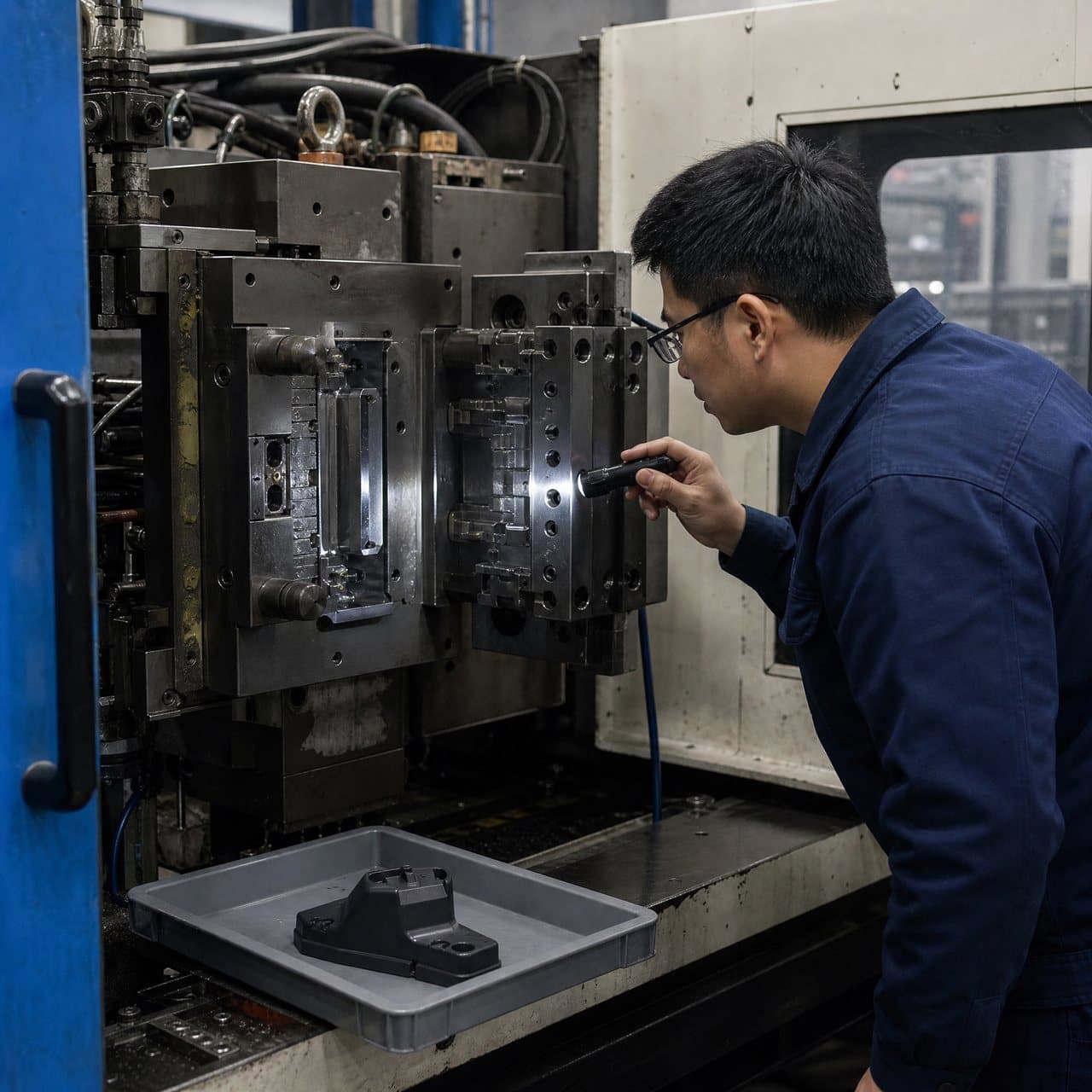
Service planning deserves the same attention as tool build. Establish who can diagnose a heater, thermocouple, nozzle, valve actuator or controller issue; which spares are recommended; what drawings and wiring details transfer with the tool; and whether the production site can safely execute the intended procedures. Confirm voltage, frequency, plug/interface, software access and safety responsibilities for the actual installation. This verification is particularly valuable for an overseas tool transfer, where a small control-interface or spare-part mismatch can delay restart.
05
Choose a reversible decision when uncertainty is still high
A cold option can be a proportionate baseline when the part is early in development, colours may change frequently, demand is uncertain, a simple material-handling plan is acceptable, or the organisation wants a straightforward tool concept while it learns from production. That is a programme-specific choice, not a statement that cold runners are lower risk in every resin or every geometry. It should still be designed for balanced filling, cooling, ejection and the defined gate location.
A heated option may merit deeper evaluation when runner material is significant, gate placement must support a particular functional or visible surface, the production pattern is stable enough to support the added system, or the buyer needs to avoid solid-runner handling. It also introduces a controlled thermal and service system that must be specified and supported. Manufacturer guidance confirms that hot runners rely on heaters, thermocouples, a manifold and nozzles to manage melt delivery; that makes controller and maintenance scope part of the procurement decision.[3]
Where uncertainty remains, ask for two clearly bounded concepts or a staged decision: a preliminary runner review before tool release, followed by formal approval after resin, demand and cosmetic criteria are frozen. Record the assumptions that could reverse the choice, such as a different resin grade, colour-change frequency, revised gate zone, additional cavities or a new plant location. A transparent decision record is more valuable than a forced claim that one technology will always pay back.
Practical takeaway
Before you move
to the next review.
- Issue the same controlled CAD revision, resin-grade direction, colour plan, annual and batch demand, and cosmetic-zone map to every bidder.
- Ask each supplier to identify gate type and location, runner/part mass assumptions, expected material disposition, and every operation outside the press cycle.
- Separate the injection mold cost estimate into tool, runner/control hardware, sampling, material handling, maintenance, spares and exclusions before comparing totals.
- Define trial evidence: named critical features, gate appearance criteria, cavity-to-cavity checks where relevant, process-record expectations and disposition of open issues.
- Verify controller compatibility, documentation, spare-parts route, technical support responsibilities and handover data for the actual production location.
FAQ
Common questions
Is a hot runner always the right choice for high annual volume?
No. Higher demand can make runner material and handling more important, but it does not establish a universal payback point. Compare the actual runner-to-part mass, resin policy, gate requirements, cycle basis, colour-change pattern, thermal-control scope, maintenance plan and programme stability. Validate the selected assumptions during trial.
Can a supplier guarantee that a heated runner will improve cycle time or part quality?
A runner concept can influence the process, but a reliable outcome depends on the complete part, resin, mold, machine, cooling, gate and process setup. Ask for a proposed basis and trial evidence rather than a blanket guarantee. Critical dimensions and appearance requirements should be defined by the buyer and assessed on the agreed production baseline.
What should transfer with a heated-runner mold if production will move to another country?
Request the runner layout, temperature-zone and wiring documentation, controller/interface requirements, operating and shutdown instructions, maintenance guidance, recommended spares, resin-specific setup information and a clear list of support contacts and responsibilities. Verify compatibility at the receiving site before the move; availability, electrical interface and service arrangements should not be assumed.
References
Source material
This guide is general information for early procurement and engineering discussion. It does not replace product-specific DFM, qualification, validation, regulatory assessment or legal advice.