
A stack mold places two or more molding faces in the same press, so more parts can be made during a machine cycle without simply widening a conventional mold. It can suit a mature product with sustained demand, constrained floor space, and a costly second cell. It is not a generic upgrade for every high-volume injection mold: the moving center section, melt delivery, longer opening stroke and takeout coordination make it a cell-level decision.
For buyers in Europe, the US and the Middle East, the practical test is whether the complete cell can make conforming, packed parts at an agreed rate and risk level. Compare the stack concept with a conventional multi cavity mold, a larger press, or two simpler cells on the same product, material and downstream scope. Ask the supplier to state every assumption rather than treating theoretical cavity multiplication as a capacity commitment.
Approve a stack-mold business case only after the supplier confirms the press, mold carrier, injection unit, hot-runner balance, automation and acceptance plan as one compatible production system.
01
Use a stack mold to solve a defined capacity constraint
Start with the constraint the stack mold must relieve. A strong candidate is a relatively shallow, mature part with stable demand that is limited by press time or floor space. Closures, lids, thin-wall packaging and some medical or laboratory components are common examples, but category alone does not qualify a part. Husky notes that stack molds are especially beneficial for low-height parts that do not need a large opening stroke, while opening and closing occur in parallel across the faces.[1] The supplier should confirm part-specific opening distance, ejection and handling before making a similar claim.
Build the demand model in finished units, not annual forecast alone. Separate launch ramp, steady demand, seasonal peaks, scrap allowance, maintenance, colour or material changes, and service stock. Then calculate the rate needed within actual production hours. The concept is more credible when it removes a sustained bottleneck and the run length can recover higher tooling, integration and maintenance cost. It is less persuasive when demand is volatile, design change remains likely, or a second conventional cell would improve resilience.
| Decision input | Why it matters | Supplier confirmation needed |
|---|---|---|
| Demand and run profile | Tests whether capacity need is sustained | Forecast horizon, available hours, changeovers, scrap and proposed output basis |
| Part geometry and resin | Drives stroke, fill, cooling and handling | Part height, material grade, cooling target and ejection sequence |
| Capacity alternative | Tests whether stack complexity is proportionate | Like-for-like multi cavity, larger-press or second-cell comparison |
| Programme maturity | Sets exposure to costly change | Frozen requirements, foreseeable revisions and change-control approach |
02
Separate cavity multiplication from real production rate
A two-level 12+12 arrangement may produce 24 parts per shot, but it does not automatically deliver twice the saleable output of a 12-cavity tool. Request an hourly capacity model covering parts per cycle, proposed cycle time, availability, startup loss, rejects, downstream rate and planned stoppages. StackTeck notes that larger stroke requirements can limit output gains; injection molding cycle time optimization must therefore cover clamp motion, cooling, recovery, ejection and takeout—not a cavity-count ratio.[2]
Use the same resin grade, part revision, cosmetic requirement, inspection level, packing configuration and OEE definition for every alternative. Be cautious when a calculation uses dry-cycle time, excludes post-mold cooling, or assumes uninterrupted automation. Long cooling may remain the constraint; short cycles can expose limits in robots, conveyors, inspection or packing.
Ask for a sensitivity table rather than one ‘parts per hour’ claim. Show how cycle time, reject rate, availability and changeover duration affect the capacity gap. It reveals whether the proposal is robust or depends on an optimistic operating point.
| Measure | Compare on | Common hidden risk |
|---|---|---|
| Gross output | Parts per shot × cycles per hour | Assuming a negligible cycle increase |
| Saleable output | Gross output less declared losses | No evidence of cavity consistency |
| Cell output | Molding, takeout, inspection and packing | Automation becomes the bottleneck |
| Economic output | Saleable output in available hours | Ignoring maintenance and changeovers |
03
Confirm the press and cell before releasing production tooling
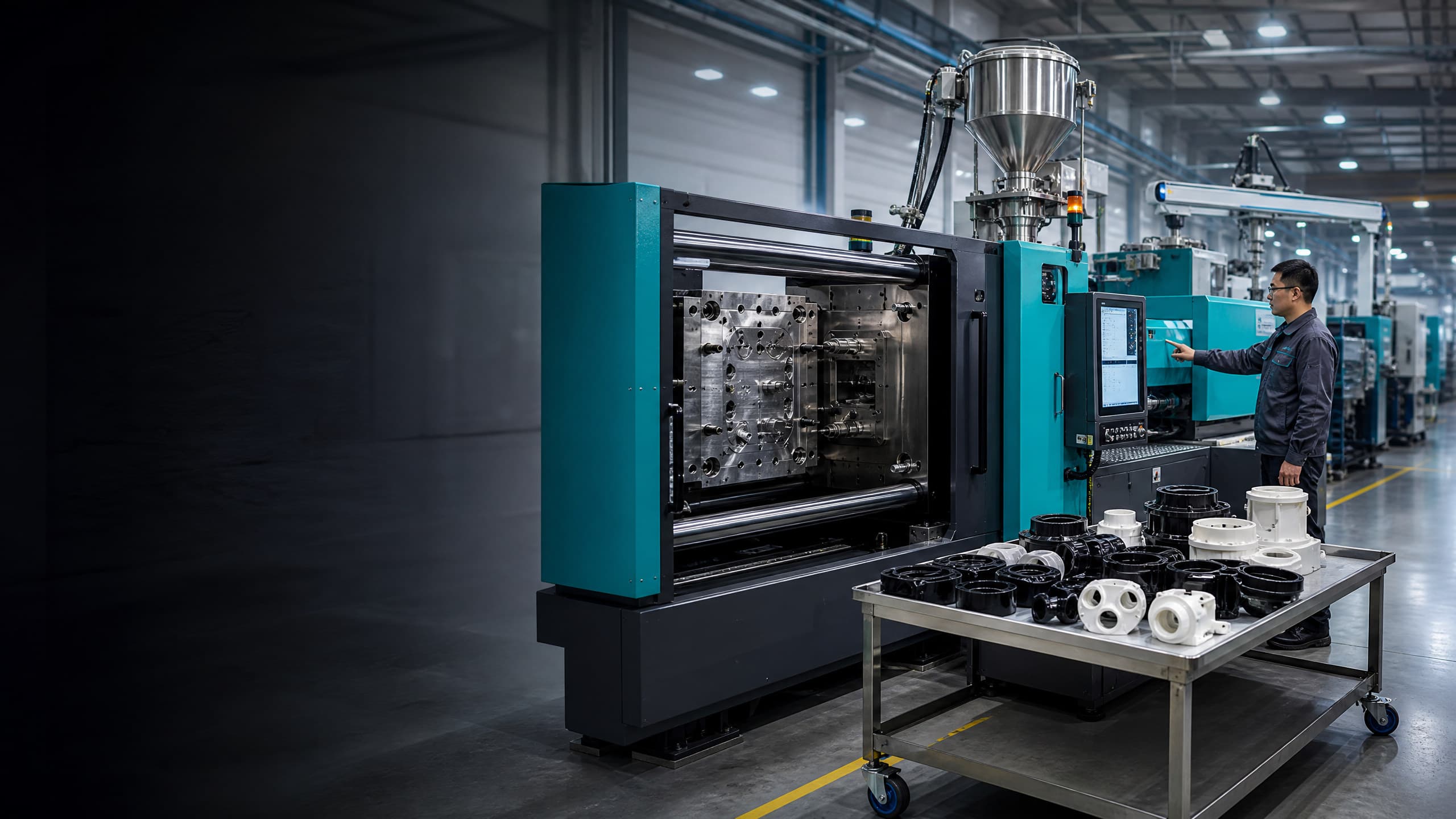
The press envelope must be proven, not inferred from clamp tonnage. A stack mold adds weight and a moving center section. The press and carrier must support its dynamics without unacceptable platen deflection, tilt or center-section sag. The clamp needs daylight, opening stroke and shut height; the injection unit needs adequate shot capacity, recovery and injection rate. Husky identifies these factors and balanced hot-runner flow as central considerations.[1] Ask the molder and toolmaker to confirm the named machine, not a generic size.
Review interfaces normally priced outside the mold: carrier or linkage, hot-runner controls, water circuits, mold protection, robot tooling, cavity identification, inspection, conveyors, buffer capacity and repair access. Define who owns compatibility testing and what happens if the mold runs but the cell cannot sustain the planned rate. For a transferred tool or multiple potential press sites, require a machine-specific interface sheet and identify permitted substitutions.
Safety and guarding belong in the integration review. ISO 20430 specifies safety requirements for injection-moulding machines; the applicable machine, local regulations, carrier and automation arrangement still require supplier and site confirmation.[4] A tool design review alone does not prove a particular installation is compliant.
04
Buy acceptance evidence that proves the operating claim
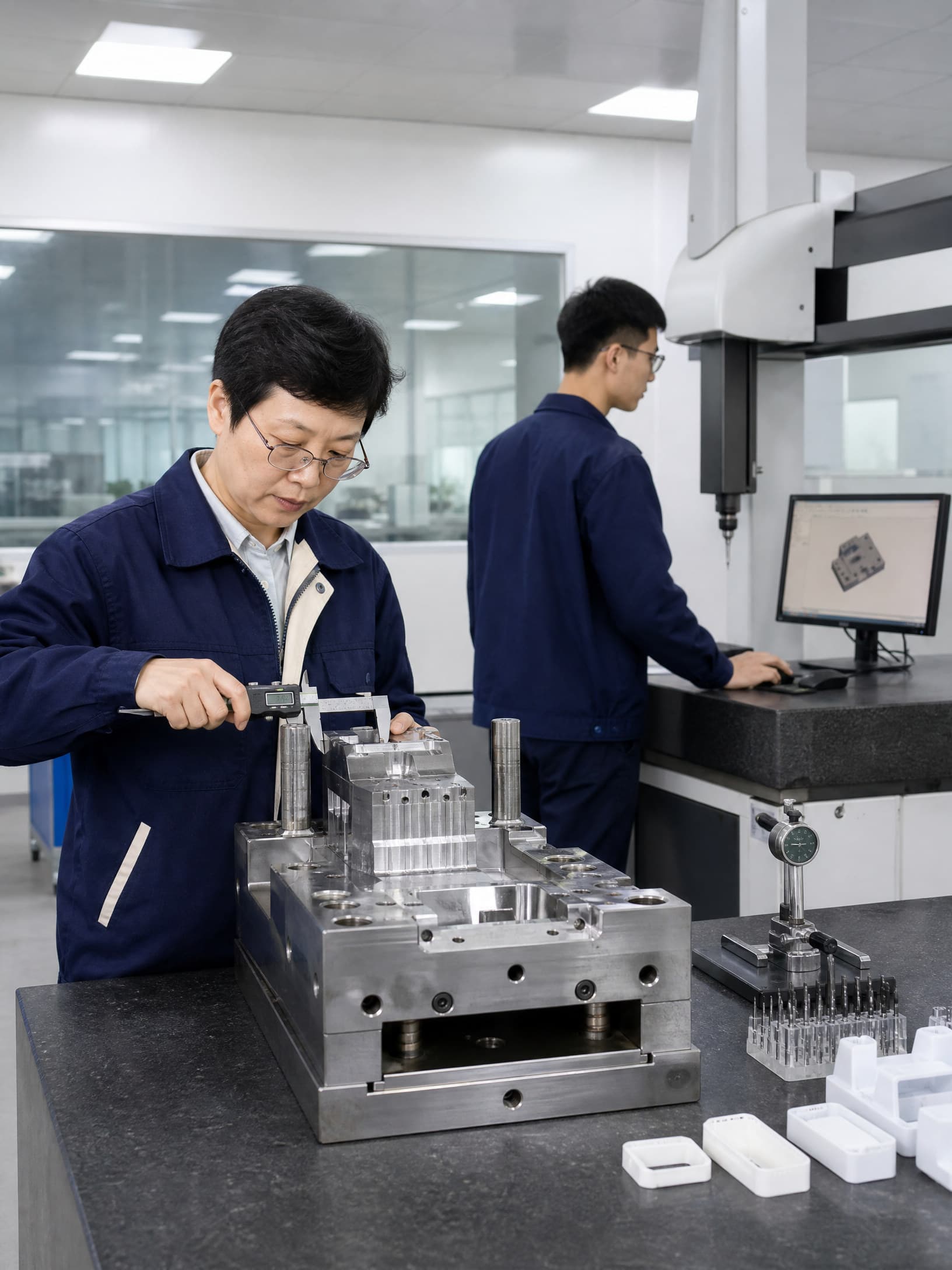
The acceptance plan should be more than a short trial showing all cavities fill. Agree a production-representative run after corrections with the intended resin, machine, hot-runner settings, cooling, automation and handling. Define its duration or shot count, cycle target, interruption rules, sampling, allowable rejects, cavity/face traceability and required records. This separates an engineering trial from a demonstrated production rate.
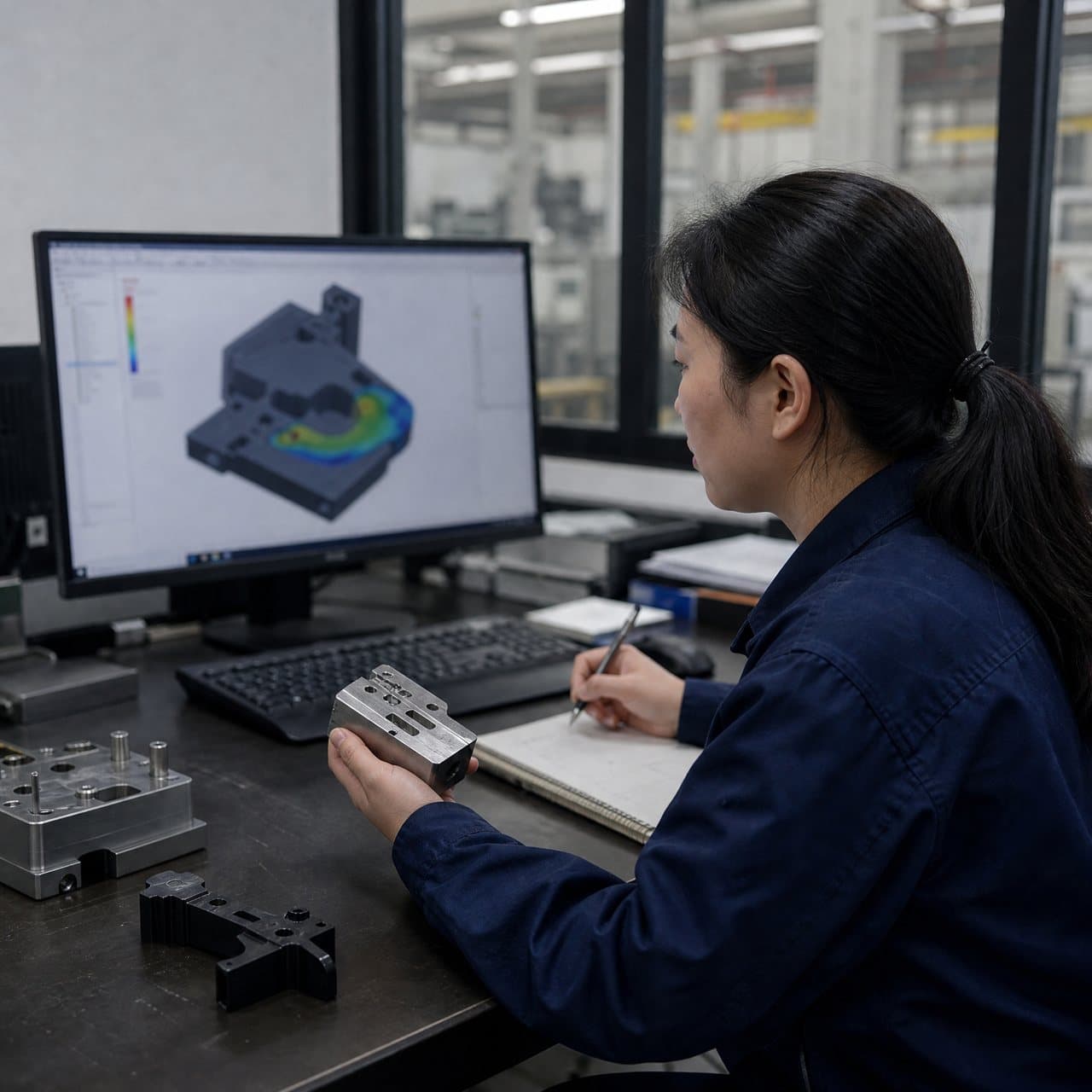
For a high volume injection mold, review quality by cavity and stack face; a pooled sample can hide a repeatable local defect. Request an inspection matrix for critical dimensions, appearance, function and any assembly or sealing check, linked to cavity identifiers and sample condition. When a tight tolerance or automated measurement drives release, ask whether the gauge, fixture and programme are suitable. NIST describes gauge R&R as a way to characterize production measurement error, including repeatability, reproducibility and stability.[3] The supplier should confirm the method and its limits.
Close with a written disposition stating accepted output basis, demonstrated cycle range, machine and automation configuration, material, tool revision, exceptions, critical spares, maintenance intervals and requalification triggers. After a cooling, hot-runner, robot or insert change, the supplier should state what rate and quality evidence must be repeated.
Practical takeaway
Before you move
to the next review.
- Model demand by launch, steady state, peak, scrap, maintenance and changeover—not annual volume alone.
- Compare stack mold, multi cavity mold, larger press and second cell on identical quality, automation and OEE assumptions.
- Obtain written confirmation of the named press, carrier, shot capacity, recovery, stroke, hot-runner balance and handling limits.
- Agree a production-representative acceptance run with cavity-level traceability, saleable-rate calculation and inspection plan.
- Document critical spares, maintenance, integration ownership and evidence required after any change.
FAQ
Common questions
Is a stack mold always better than adding cavities to a conventional mold?
No. It can raise output in an existing press footprint, but adds center-section, stroke, melt-delivery and automation demands. A conventional multi cavity mold, larger machine or second cell may be more proportionate depending on the part, forecast, resilience target and equipment.
What production rate should a supplier guarantee for a stack mold?
Define the part revision, resin, machine, cycle-time range, automation, availability, reject allowance, run duration and inspection scope. The supplier should confirm whether the figure is gross, saleable or average cell output.
Can an existing injection molding machine run a stack mold?
Possibly, but tonnage alone is insufficient. The supplier must verify weight support, carrier arrangement, daylight, stroke, shut height, shot capacity, recovery, injection rate, controls, guarding and automation for the specific press and tool.
References
Source material
- [1] Husky Technologies, “Application Spotlight: Maximizing Output with Stack Molds.”
- [2] StackTeck, “Stack Molds.”
- [3] National Institute of Standards and Technology, “Gauge R & R Studies.”
- [4] International Organization for Standardization, “ISO 20430:2020—Plastics and rubber machines—Injection moulding machines—Safety requirements.”
This guide is general information for early procurement and engineering discussion. It does not replace product-specific DFM, qualification, validation, regulatory assessment or legal advice.