
Between production runs, a mold is not simply parked. It is a controlled production asset whose surfaces, moving mechanisms, cooling circuits, records and commercial status all need to remain fit for the next agreed use. The buyer’s useful question is therefore not only whether injection mold storage is available, but what condition evidence will permit the next order to be released with an understood risk. A low-volume replacement-part tool, a cosmetic multi-cavity tool and a tool awaiting an engineering decision may all warrant different controls.
A practical approach is to define a **preservation-to-restart dossier** at the final run. It joins what the molder observed, what it did to preserve the tool, which work it was authorised to perform, and what will be checked before production resumes. That evidence does not guarantee future output or replace part qualification. It does let buyer, molder and—where relevant—the tool owner decide whether a routine setup, a diagnostic review, repair approval or a broader revalidation is appropriate. The specific method, protective materials and acceptance criteria should be confirmed with the supplier for the actual tool, resin, storage environment and product risk.
Do not accept “stored safely” as a condition statement. Require a dated, tool-specific record that separates preservation performed from defects found, corrective work proposed and restart checks still required.
01
1. Define the storage decision at the final production run
The least expensive time to preserve a tool is while its last run is still visible to the production team. Before dismounting it, ask the supplier to establish a baseline: the controlled tool and part revision, cavity and insert configuration, last approved resin and color, cumulative or recent cycle information if available, known process observations, open nonconformities, and any loose components or gauges travelling with the tool. Photographs can be useful context, but are not by themselves dimensional or functional acceptance evidence. A signed record should identify who observed the condition and when; ISO 9001 guidance on documented information is a useful reminder that records need to be identifiable, protected and retrievable rather than merely retained.[2]
The buyer should also decide the intended next event. A confirmed three-week pause is operationally different from an indefinite demand interruption, a planned design change or a possible transfer to another molder. That decision affects what a mold storage service must preserve, which inspections are sensible and what expenditure can proceed without further authorization. Injection mold ownership, access rights, permitted production use, and release authority are commercial and contractual terms; they should be confirmed in the governing agreement, not assumed from the party that paid a storage invoice. The PLASTICS Moldmaking Industry Guide is intended to help standardize buyer–moldmaker terminology, which is valuable when these terms cross borders or functions.[1]
Buyer inputs to issue at final run: • asset/tool number and controlled part revision; • expected idle-time range and next known decision date; • custodian and authorised approver; • permitted preservation materials or contamination restrictions; • whether samples, inserts, records or gauges are stored with the tool; • a stop-and-notify threshold for suspected damage, corrosion or missing items.
| Decision input | Why it changes the plan | Minimum handoff evidence |
|---|---|---|
| Defined next run and short pause | May support a limited preservation scope, provided the environment and tool condition are known. | Last-run date, tool ID, resin, visible-condition note and restart contact. |
| Indefinite or seasonal pause | Raises uncertainty about humidity exposure, record retrieval and future work authorization. | Preservation plan, location/custody record, inspection trigger and exception route. |
| Change, transfer or disputed condition | A routine restart can mask a configuration or responsibility issue. | Revision status, issue log, controlled photos where useful and written decision on next action. |
02
2. Purchase a preservation scope, not a vague promise to hold the tool
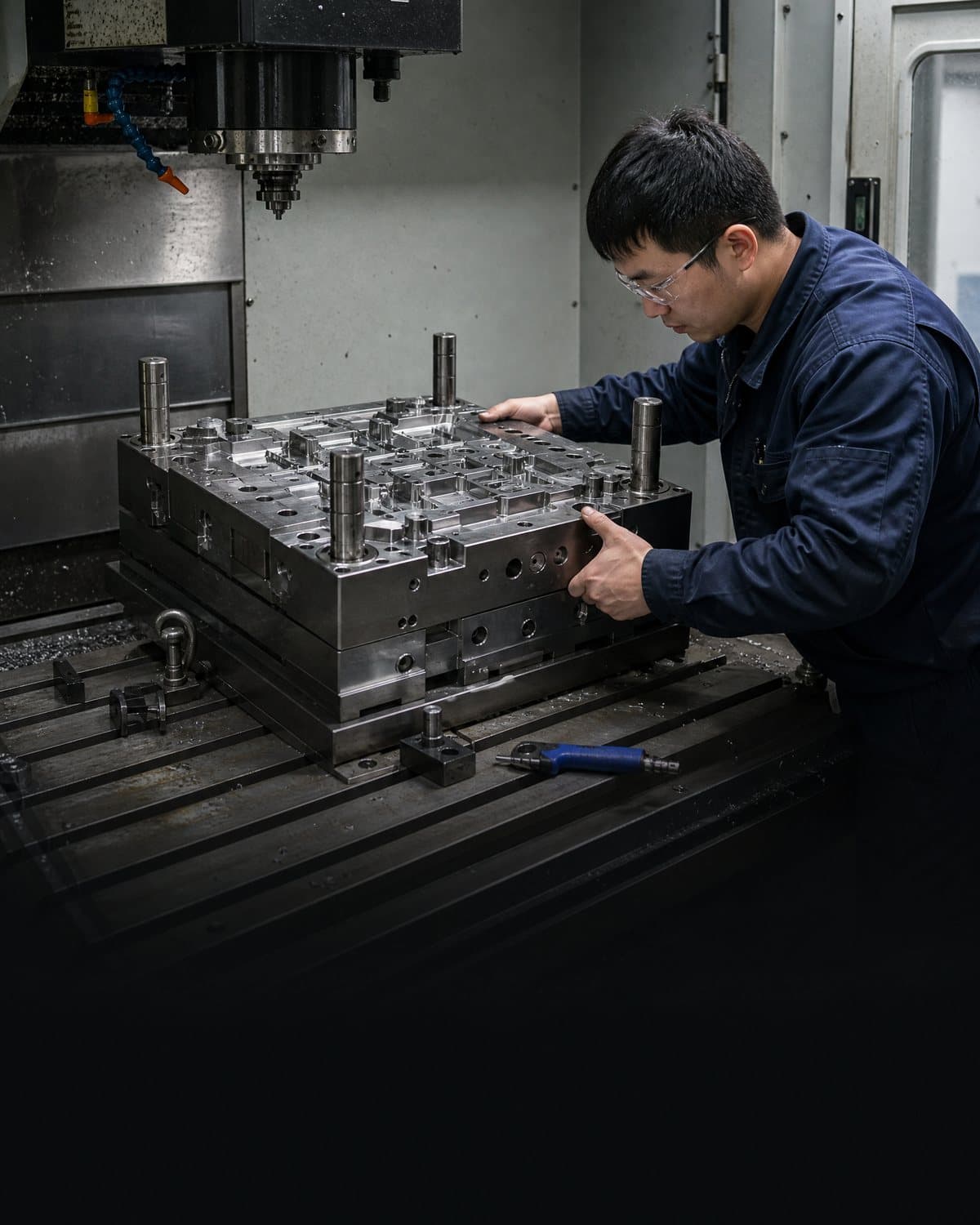
A credible injection mold storage scope begins with clean, dry and identifiable tooling, then specifies the actions appropriate to the mold. Common considerations include residue removal from cavities, cores, runners and vents; protection of corrosion-sensitive surfaces; securing and suitably lubricating slides, ejector systems and other moving features; and treatment of cooling circuits. For example, supplier guidance from Slide Products recommends draining, blowing out and capping cooling lines, as trapped moisture can create internal deterioration risk.[3] That is a useful prompt for discussion, not a universal procedure: confirm compatibility with the tool design, water-treatment history, supplier work instruction and the material that will later be molded.
Avoid requiring a generic oil, cleaner, desiccant or protective film without knowing how it will be removed and verified at restart. An unsuitable product or an over-applied film may create residue, cosmetic defects or cleanup time; a protective step can therefore move risk rather than eliminate it. Ask the supplier to state the product category or approved method, affected areas, application date, and any removal or purge step needed before production. The same caution applies to external wrapping, covers and labels: they should protect the tool without hiding identification, trapping moisture or obstructing safe lifting and inspection.
Injection mold maintenance should be quoted separately from corrective work. Preservation and a planned visual check may be included in a storage fee; diagnosis, replacement components, polishing, welding, re-machining, waterline remediation and injection mold refurbishment should have an explicit approval route. A sensible supplier confirmation names the actions that may be taken immediately for safety or preservation, the spending cap if any, and the evidence required before an extra-charge recommendation is accepted. This avoids an urgent restart becoming an argument over who approved a repair.
| Scope element | Question for the supplier | Acceptance evidence |
|---|---|---|
| Surface and mechanism preservation | Which areas are cleaned, protected, secured or lubricated, and with what approved method? | Dated checklist with exceptions; product or procedure reference where contractually required. |
| Cooling circuits | Will lines be drained, dried, capped, isolated or otherwise protected, and how is the action recorded? | Circuit-treatment record and any limitation or observed leak/flow issue. |
| Environment and custody | What location, handling controls, inspection trigger and access controls apply? | Location/custody entry, asset identification and dated inspection or exception record. |
| Work beyond preservation | What needs buyer approval, and what will the quotation or diagnosis contain? | Written recommendation identifying condition, proposed action, cost/time impact and approver. |
03
3. Treat restart as an acceptance gate with proportionate evidence
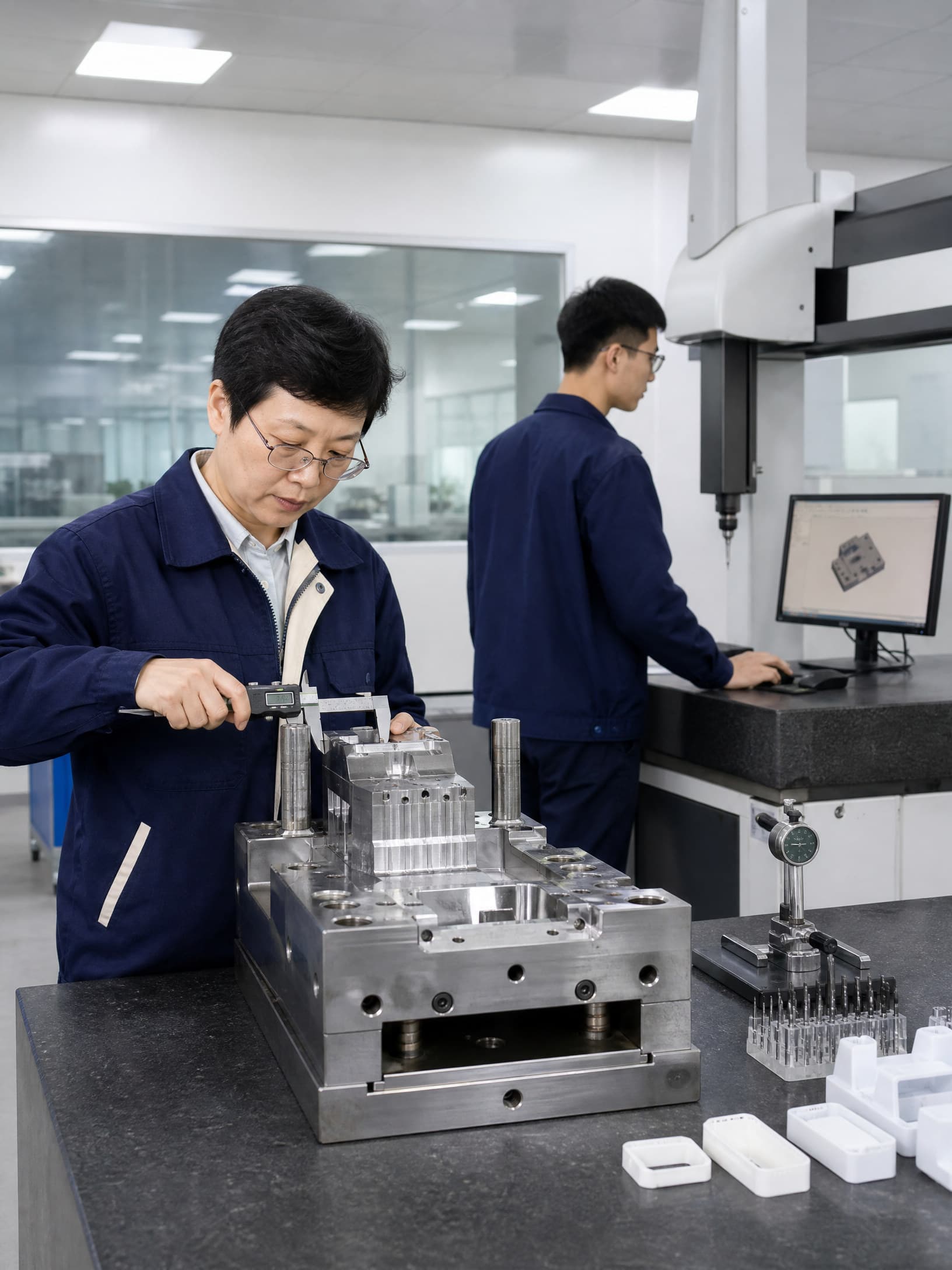
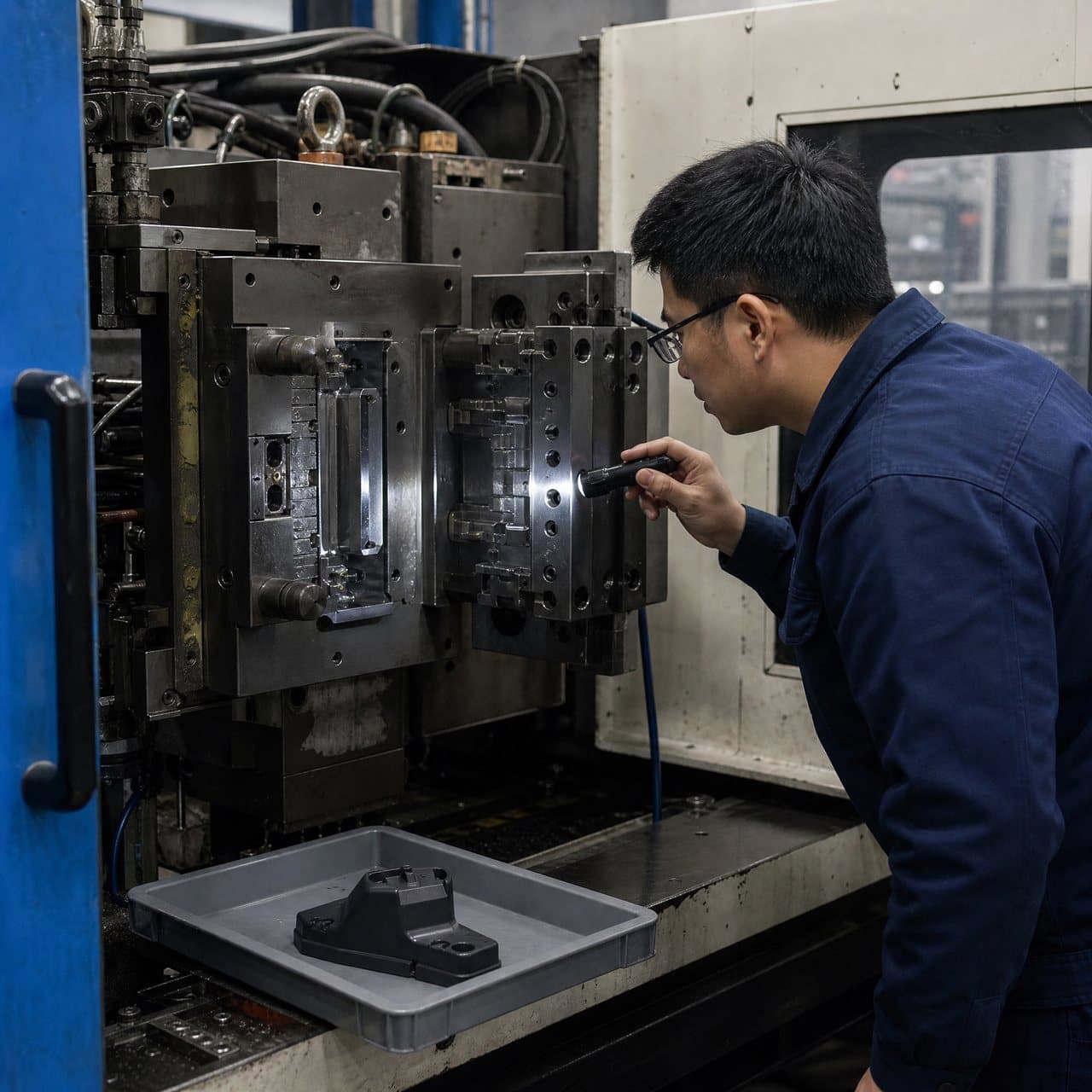
Before the next order is released, request a restart-readiness review rather than relying on a declaration that the tool is available. The supplier should verify the identity and configuration of the tool, inspect accessible surfaces and moving elements for issues discovered during storage, remove or manage protective media in accordance with the agreed procedure, and document any deviation. Where cooling circuits or mechanisms are relevant to risk, ask what check was actually performed and what it cannot prove. A visual inspection does not demonstrate cooling performance; a first molded part does not prove all cavities, all dimensional features or long-run stability. Those boundaries should be visible in the record.
Then agree what the first shots are for. A setup sample might only show that material is flowing and no immediate contamination is visible. A customer release sample may need defined dimensions, appearance, assembly, functional checks or a comparison against an approved master. For regulated, safety-relevant, highly cosmetic or tight-tolerance parts, supplier confirmation is especially important before deciding whether normal production, additional sampling or a qualified revalidation path is required. The buyer should set the acceptance features, sample quantity, inspection method, release authority and disposition of parts produced during setup; no general storage checklist can set these project-specific values.
Buyer release checklist: • review preservation and exception records before scheduling; • confirm the active drawing, resin and tool configuration; • approve or decline proposed corrective work in writing; • define the first-shot purpose and evidence; • hold output beyond the agreed setup quantity until the required review is complete; • archive the dossier with the tool history. If a stored tool cannot meet the defined gate, classify the next action plainly—diagnosis, repair, refurbishment, engineering change or transfer assessment—rather than presenting it as routine storage.
Practical takeaway
Before you move
to the next review.
- Identify the controlled tool, part revision, inserts, accessories, custody location and authorised approver at the final run.
- Set preservation methods and records around actual downtime, environment, resin history, mechanism complexity and product risk.
- Separate included storage tasks from diagnosis, corrective repair, injection mold maintenance and injection mold refurbishment.
- Require a dated dossier recording what was observed, what was preserved, what remains unresolved and any limits of inspection.
- Define the restart sample purpose, checks, approval authority and escalation path before production is scheduled.
FAQ
Common questions
How often should a mold in storage be inspected?
There is no reliable single interval for every tool. Agree a trigger based on expected idle time, storage environment, tool condition history, complexity and consequence of failure, then require a dated record of the inspection actually performed.
Can a supplier begin repair work while the mold is stored?
Only if the agreement authorizes the defined work. Preservation actions, diagnosis, replacement parts, welding, machining and refurbishment should have clear approval limits, cost treatment and evidence requirements.
Does a successful first shot prove that the mold is fully ready for production?
No. It supports only the conditions and features checked. Define whether the restart lot is a setup check, dimensional sample, appearance review, assembly trial or broader release, and record any limitations.
References
Source material
- [1] Plastics Industry Association (PLASTICS), “Plastics Industry Association Releases Updated Customs & Practices Moldmaking Industry Guide.”
- [2] ISO/TC 176/SC2, “Guidance on the Requirements for Documented Information of ISO 9001:2015.”
- [3] Slide Products, “Best Practices: Protect Injection Molds for Winter Storage.”
This guide is general information for early procurement and engineering discussion. It does not replace product-specific DFM, qualification, validation, regulatory assessment or legal advice.