
Build one controlled RFQ package and ask every supplier to price the same technical and commercial baseline. Include released 3D CAD, an injection molding technical drawing for critical requirements, a named material or an approved decision route, demand by phase, quality evidence, packaging, delivery terms and a response template. This does not make quotes identical, but it makes their assumptions visible so a buyer can explain differences in tooling, piece price, risk and injection molding lead time.
A quote is comparable only when the part revision, resin, volumes, scope and acceptance evidence are comparable. If an input is undecided, label it as an assumption to be priced or challenged rather than leaving it implicit.
01
H2 — Set a single quotation baseline before contacting suppliers
An injection molding RFQ is not a request for a headline price. It is a controlled description of the part, acceptance requirements and commercial scope. Send each invited supplier the same revision-controlled package so engineering, purchasing and quality teams can compare explicit assumptions rather than reconstruct them after selection.
Identify the part number, revision, date, buyer contact, confidentiality instruction and response date. State whether the request is budgetary, for supplier selection, or for tool release. Suppliers should list missing inputs, technical changes and commercial exclusions in writing.
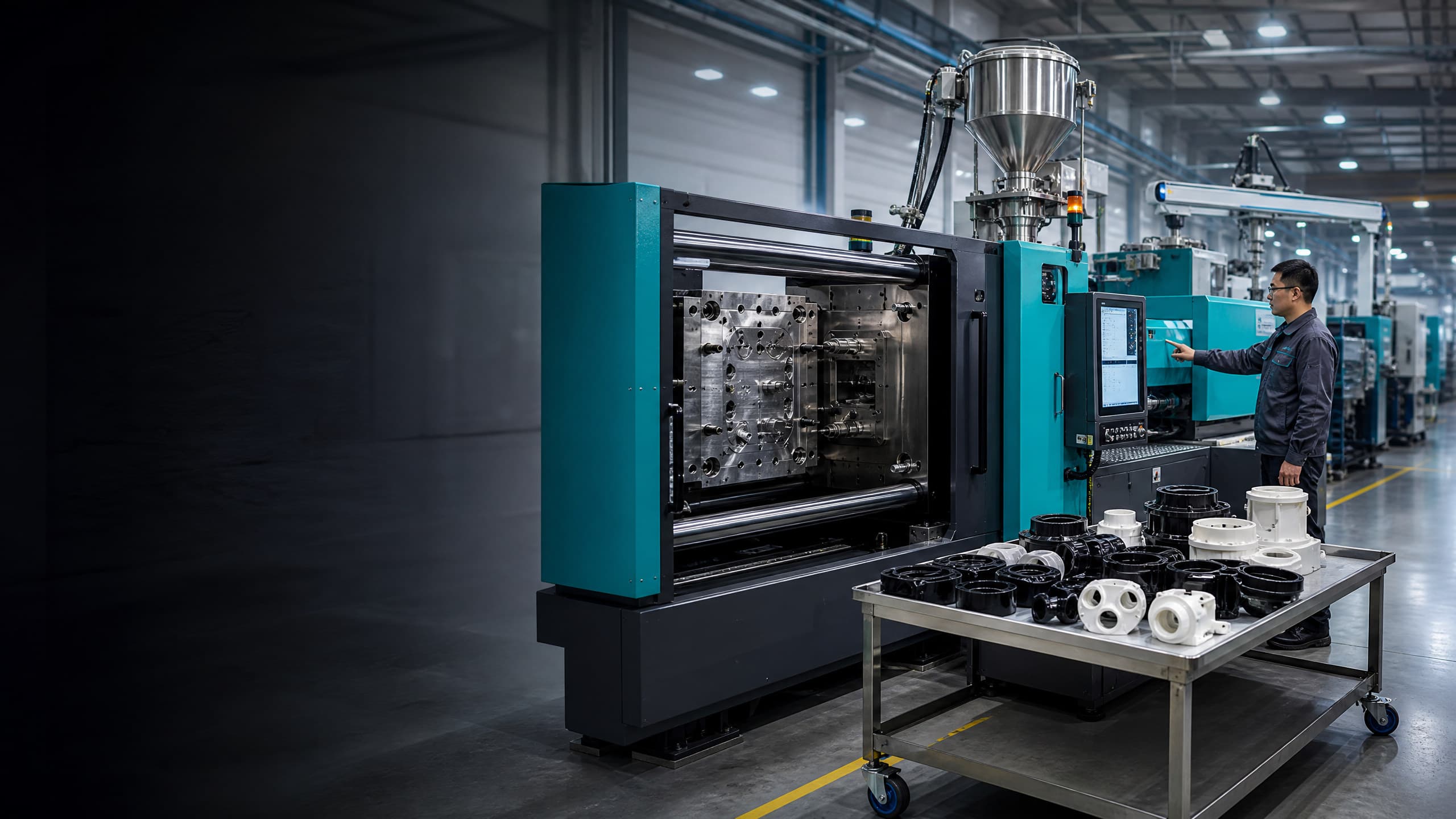
Supply both 3D CAD and an injection molding technical drawing. CAD defines nominal geometry; the drawing identifies datums, critical dimensions, material, cosmetic zones, markings and mating conditions. Shrinkage, cooling, geometry and tool design affect final dimensions, so tolerances should serve a function rather than cover every dimension equally.[1]
02
H3 — Define the part and material decision well enough to cost it
Attach native or neutral 3D CAD and a PDF drawing. Include use environment, mating parts, appearance references, and known no-go areas for gates, ejector marks or parting lines. Identify inserts, threads, undercuts, assembly, decoration, testing and packaging because they can change tooling, handling or inspection scope.
For injection molding material selection, state the exact resin grade, colour, filler, regulatory requirement and regrind policy when known. If open, specify required properties and ask for a named candidate plus a separately priced alternative. Grades within one material family can differ in shrinkage, finish and processing behavior. Shrinkage may depend on wall thickness, gate design and processing conditions.[2]
Request a DFM response before steel is cut: gate and parting proposal, draft and wall concerns, undercuts, ejection, shrink or warpage risk, and proposed tool-safe changes. The buyer should accept or reject each change through the controlled revision.
03
H2 — Turn demand into an explicit tool and piece-price scenario
Provide prototype and launch quantities, forecast by period, annual planning volume, order pattern and service-spares need. Separate committed orders from forecasts. An annual total alone does not determine cavity count, runner approach, automation or production scheduling.
Request prices by scenario, such as samples, launch and a later-volume band. Require currency, unit basis, minimum batch, validity period and change triggers for resin, volume, design or secondary work. Ask for tooling and maintenance assumptions, not a generic fixed mold life or cycle time.
For injection molding lead time, request the planned sequence from design review through tool build, trials, sample approval, material readiness and first shipment. Identify buyer gates such as drawing or appearance approval. A single calendar date without dependencies is not a procurement plan.
| Cost or schedule line | Buyer input | Supplier response | Comparison effect |
|---|---|---|---|
| Tooling and trials | CAD revision, demand, sample stage | Tool concept, trial scope, inclusions and exclusions | Cavities, side actions and runner choice affect non-recurring cost |
| Resin and molding | Grade/colour or performance brief; forecast | Resin basis, yield, molding scope and price breaks | Material and production assumptions affect recurring cost |
| Secondary work | Assembly, decoration, test and packaging requirements | Sequence, fixtures, inspection and packing scope | Low part prices may omit needed operations |
| Quality and release | CTQs, reports and approval route | Inspection method, records, traceability and deviation process | Evidence requirements create different control effort |
| Delivery | Incoterm, destination, cadence and approval gates | Delivery scope, dependencies and lead-time stages | Freight and approvals may sit outside unit price |
04
H2 — Make quality evidence and supplier responsibilities quotable
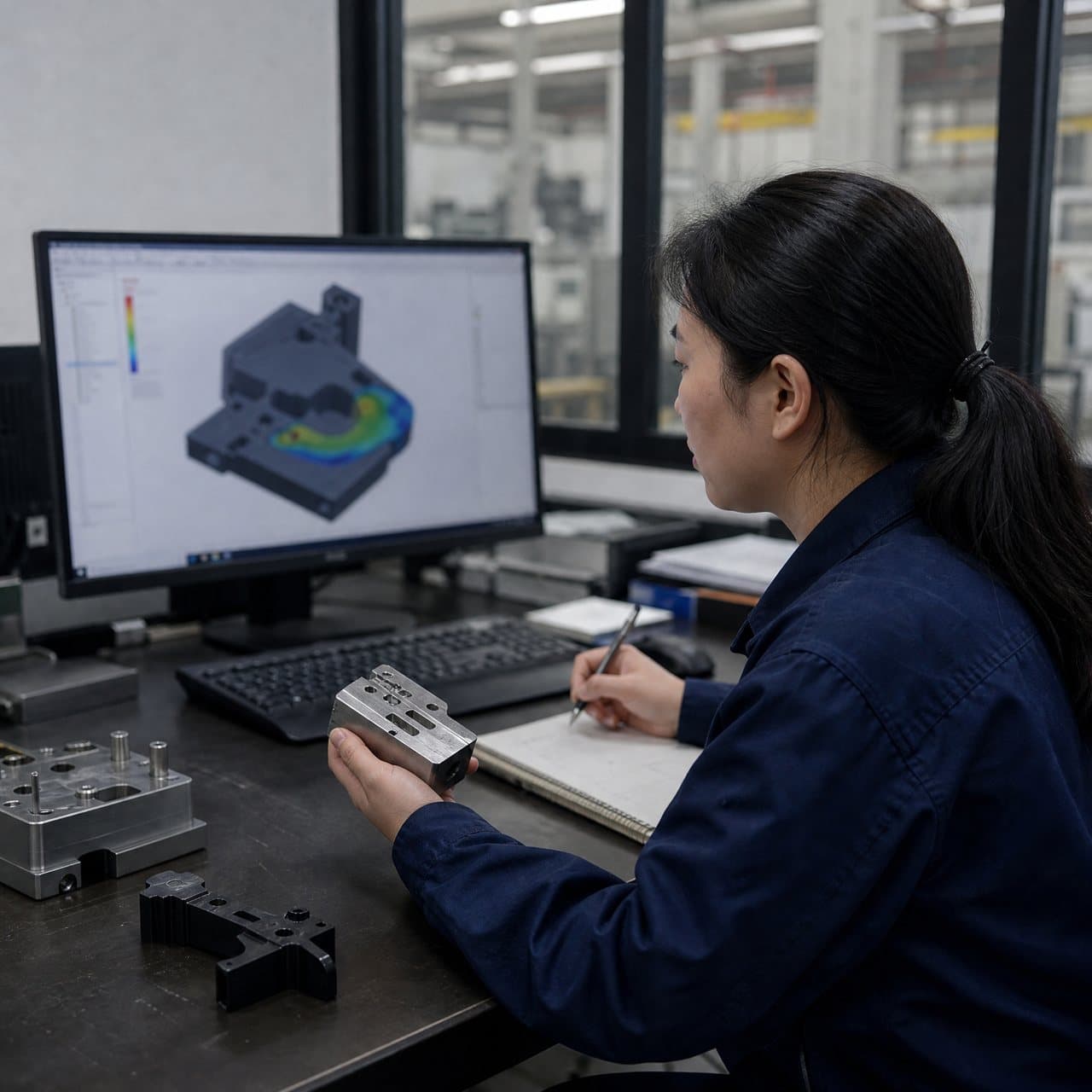
Turn quality language into deliverables. Mark CTQs, define cosmetic acceptance with images or boundary samples, and identify the required report at each stage: dimensional results, material certification where applicable, first-article evidence, process records or PPAP-style documentation. Request evidence that fits the product and consequence of failure.
For regulated, food-contact or traceability-sensitive work, state the applicable legal, customer and documentation requirements. Plastics Industry Association GMP guidance identifies specifications, lot records, process parameters, test records, calibration, change management and non-conformance investigations as controlled documentation examples, and calls for traceability through manufacturing.[3] This does not itself establish product compliance.
Require a scope matrix that marks included, excluded, buyer-supplied and optional items. Ask for the proposed manufacturing location, subcontracted operations, quality contact, change-notification route, tooling ownership terms, packing responsibility and export-document needs.
05
H3 — Compare assumptions and evidence before price
Normalize every injection molding quote into one comparison sheet: revision, resin grade, cavity and runner concept, tool proposal, price basis, secondary work, inspection, packaging, delivery term, validity, payment milestones, lead-time stages and exceptions. Use the sheet for clarification questions.
A lower response may reflect a different method, an open assumption or an omission; a higher response may include needed scope. Resolve differences in writing, revise the quote where needed, and retain the final RFQ revision and response as the baseline for later changes.
06
H2 — Send an RFQ that is easy to answer and hard to misunderstand
Issue the RFQ from a controlled folder or procurement system. The cover note should name currencies, response format, due date, confidentiality route and technical contact. Attach a revision index and ask suppliers to acknowledge the files quoted.
RFQ CTA: submit the completed cost matrix, assumptions register, DFM observations, proposed lead-time sequence and evidence plan against the attached revision by the requested date. Price alternatives separately so the compliant baseline remains clear.

Practical takeaway
Before you move
to the next review.
- Confirm part number, CAD and drawing revision, units, release status and document index.
- Provide 3D CAD and an injection molding technical drawing with datums, CTQs, cosmetic zones and material callouts.
- State resin grade, colour, additives, regulatory constraints and any open material decision.
- Separate prototype, launch, recurring and service demand; distinguish forecast from commitment.
- List inserts, assembly, decoration, testing, packaging, labeling and export needs.
- Define DFM, trial, first-article, inspection, traceability and change-control evidence.
- Specify currency, Incoterm, destination, validity, response deadline and price template.
- Require inclusions, exclusions, buyer dependencies, alternatives and lead-time stages.
FAQ
Common questions
What is the minimum information for an injection molding RFQ?
Provide controlled 3D CAD, critical requirements on a drawing or specification, material or performance brief, phased volumes, quality expectations, secondary work, packaging and delivery terms. Label unresolved inputs as assumptions.
Can buyers request an injection molding quote before design freeze?
Yes, if it is identified as budgetary. Send the current revision and ask the supplier to list every price assumption. Reissue the RFQ and obtain a revised quote after material or design changes.
Why is an injection molding technical drawing needed with 3D CAD?
CAD usually defines nominal geometry. The drawing communicates datums, tolerances, CTQs, material, cosmetic boundaries and inspection intent, which reduces interpretation differences between suppliers.
How should buyers ask about injection molding lead time?
Request a dependency-based sequence for design review, tool build, trials, approval, material readiness and first shipment. Identify buyer approvals and compare the sequence, not just a single date.
Should an RFQ require fixed tooling life or unit cost?
Not as a generic demand. Both depend on geometry, material, production pattern, maintenance and scope. Request stated design, maintenance and commercial assumptions, then agree program-specific terms.
References
Source material
- [1] Protolabs, “Injection Molding Guide: Process, Design Tips & Materials.”
- [2] BASF, “Processing Injection Moulding: Elastollan.”
- [3] Plastics Industry Association, “Good Manufacturing Practice Guidelines.”
This guide is general information for early procurement and engineering discussion. It does not replace product-specific DFM, qualification, validation, regulatory assessment or legal advice.