
Buyers should approve custom color injection molding through a written, part-specific release system: freeze a physical appearance master, define how the actual part will be viewed and measured, identify the material and finish, then decide what lot evidence and change notification are required. Do not approve a production color from a screen image, resin pellet, generic swatch or an untraceable early sample. Those items can guide development, but they do not establish the appearance of the molded article.
For color matching injection molding, the decision must cover more than hue. The same nominal color can look different when resin, gloss, texture, geometry, wall thickness, gate position or lighting changes. A practical approval therefore separates a formulation target from a finished-part acceptance decision. It also makes clear which faces matter most, who may approve a deviation and when an affected lot must be held for review. This is general planning guidance; the required tolerance, durability checks and any regulatory or product validation decisions remain part-specific.
A color-difference value is meaningful only with its agreed color scale, instrument setup, reference, surface condition and viewing method.[2]
01
Approve one part-specific appearance master before the first lot
Begin with a retained physical master that represents the intended molded part as closely as practical. Identify its part number and revision, resin or compound direction, colorant or supplier reference if available, cavity or sample status, and the exact face to be compared. Mark show surfaces, less-critical surfaces and areas where a gate vestige, weld line, flow mark or texture transition may be visible. If the buyer has a brand standard, include it as an input, but do not let a flat chip silently replace approval of the three-dimensional article. The release record should say whether the master is a plaque, a first-off part or an approved limit sample and how it is protected from damage, fading and mix-up.
Specify the injection molding surface finish with the color target, not after it. Gloss and texture change perceived appearance: X-Rite explains that a glossy surface can appear darker than a matte surface of the same color and that measurement mode affects the relation to visual inspection.[3] A request for SPI finish injection molding should therefore name the finish callout, the surfaces in scope and the allowable tool or texture variation; it should not treat an SPI label as a complete color specification. The Plastics Industry Association’s mold-finish guide itself presents typical A, B, C and D finishes to aid communication, illustrating why a buyer should tie the callout to an approved appearance reference rather than assume all materials reproduce a finish identically.[4]

02
Lock the measurement and visual-review method together
Agree the comparison method before samples are submitted. If instrument readings will be used, state the reference specimen, color space and color-difference formula, instrument geometry or mode, calibration practice, sampling locations and the illuminant or observer convention where relevant. CIEDE2000 is a color-difference formula defined by ISO/CIE 11664-6:2022; it was developed because equal distances in older color-coordinate spaces do not necessarily represent equally perceptible differences.[1] This does not make one numerical limit suitable for every molded component. The acceptance value, if one is used, needs to be set by the buyer and seller for the particular part and its appearance risk.
Pair the instrument result with a repeatable visual review. ASTM D2244 covers calculation of small color differences from instrumentally measured coordinates for opaque specimens and says buyer and seller should agree both permissible tolerance and calculation procedure; it also notes that gloss, texture and specimen proximity can affect commercial acceptability.[2] Define the review lighting, viewing angle and distance, background, conditioning where needed, number of parts, and the people or function authorized to decide. For a high-visibility consumer face, comparison beside an adjacent component may be more informative than an isolated plaque. For a hidden technical part, a simpler method may be justified. Both choices are part-specific.
| Approval element | Decision to make before production | Record with the release |
|---|---|---|
| Appearance master | What physical sample is the controlling target? | Part/plaque identity, revision, resin direction, approved face and storage owner. |
| Instrumental color | Will data support acceptance, and under which agreed method? | Reference, formula or color scale, instrument configuration, locations and any agreed limit.[1][2] |
| Visual appearance | How will gloss, texture and adjacent-part effects be judged? | Lighting, viewing geometry, background, observers and visual disposition method.[3] |
| Surface finish | Which surfaces carry which finish or texture requirement? | Finish callout, texture reference, show-surface map and permitted exceptions.[4] |
| Lot change | Which material, colorant, process or tool changes reopen approval? | Notification trigger, hold/review route, sample requirement and approval authority. |
03
Make lot control traceable instead of relying on a first sample
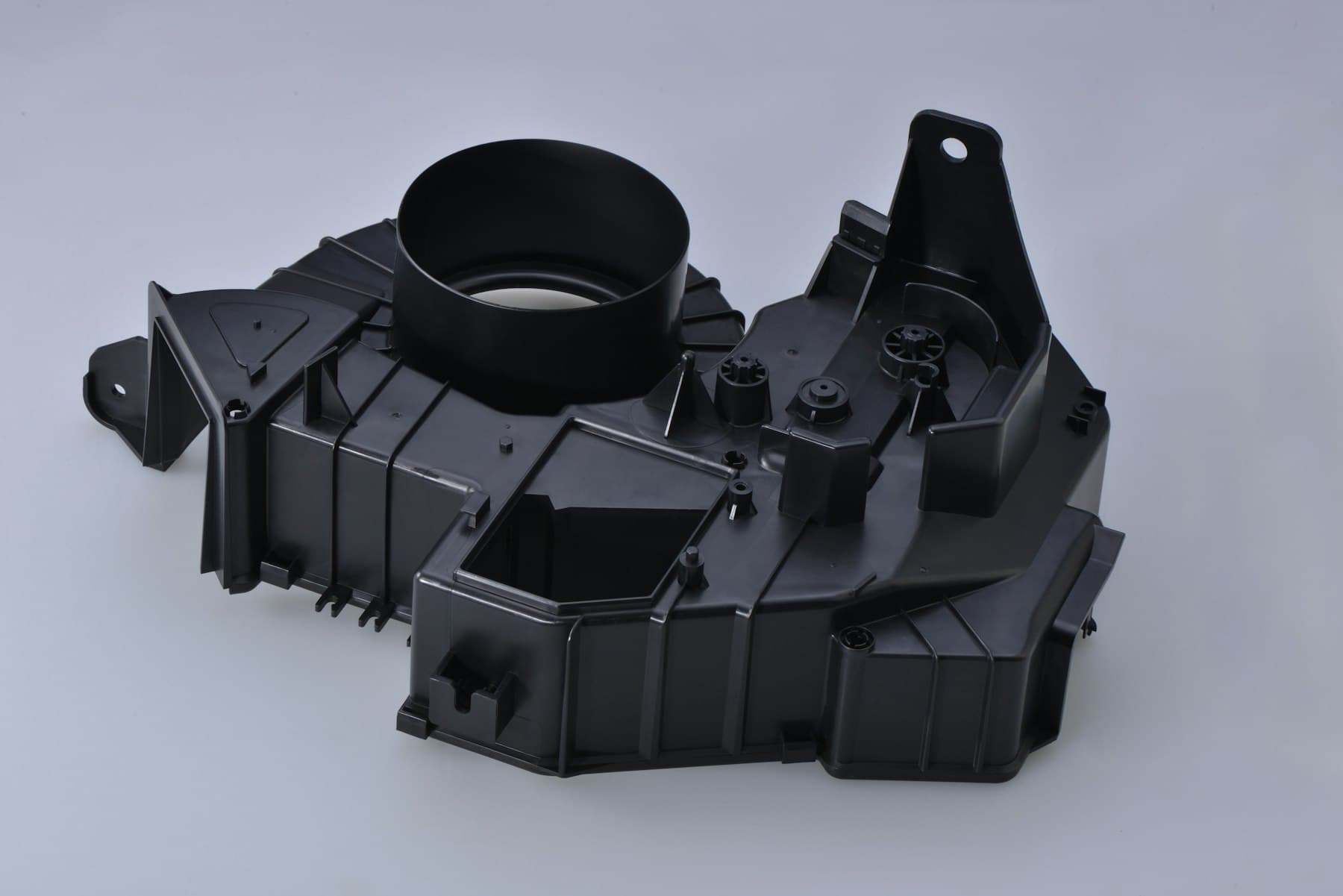
Injection molding quality control for color starts with identity. Ask for a link between each submitted lot and the part revision, resin grade or compound, colorant identification where applicable, production date or run, and the approved master used for comparison. Where there are multiple cavities, tools, sites or molding windows, decide whether the approval covers all of them or whether representative evidence is needed. This is not a demand for a universal document set; it is a way to prevent a later reviewer from comparing an unknown sample with an unknown target. A material supplier or compounder may support development of a custom match, but that service does not replace finished-part approval under the agreed conditions.[5]
Define the reaction plan before a question arises. For example, a lot that differs from the master, uses a newly identified resin or colorant source, changes a visible texture, or follows a material or process change can be routed to a defined hold-and-review decision. The buyer should decide whether comparison samples, readings, photographs, assembly context or a revised approval are needed before disposition. Avoid a blanket statement that every colorant change is acceptable or unacceptable: the effect depends on the part, its visual prominence and its controlled requirement. A documented exception may be suitable for a bounded lot, but it should name the affected product revision, quantity or lots, reason, expiry and approver rather than becoming an informal new standard.
04
Release a concise approval record and reopen it deliberately
The most useful injection molding inspection record is short enough to be used at receiving and robust enough to explain an approval months later. It should combine the approved master, surface map, material direction, agreed instrument and visual method, lot traceability fields, results or disposition, deviations and change triggers. Record what was actually compared, not merely a generic statement that color was approved. Photographs can supplement the record when their lighting and sample identity are documented, but they should not be treated as a color standard unless the programme has specifically validated that use. Keep a retained approved sample when practical, and identify its revision and custodian.
Reopen the record whenever a proposed change could alter the approved appearance or the evidence basis: a new resin grade or source, colorant formulation, regrind policy, mold texture repair, polishing change, cavity change, processing adjustment outside the agreed window, or a revised adjacent component. The review does not need to be the same size every time; it should be proportionate to the part-specific risk and the change. For a buyer preparing a quote or engineering review, issue the five decisions below with the RFQ, nominate the approval owner and require any assumptions to be written down before color is priced or released.

Practical takeaway
Before you move
to the next review.
- Provide a controlled physical appearance master and identify the exact molded faces that it governs.
- State the resin or compound direction, color target, injection molding surface finish and any texture or gloss callouts together.
- Agree the instrumental method, visual-review conditions, acceptance authority and any part-specific tolerance before sample approval.
- Require submitted samples and results to be traceable to the part revision, lot or run, material direction and relevant cavity or tool context.
- Define which material, colorant, finish, tool or process changes require notice, a hold, further evidence or renewed approval.
FAQ
Common questions
Can a Pantone, RAL or rendered CAD color approve a molded production lot?
No, not by itself. Such references can communicate design intent, but molded appearance also depends on the selected resin, pigment system, geometry and surface. Use the design reference to create or select a controlled physical master, then approve the finished part using the agreed visual and, where applicable, instrumental method.
Should every custom color use a Delta E limit?
Not necessarily. A numerical color-difference method can be useful when its reference, formula, measurement configuration and tolerance are agreed. ASTM D2244 says the permissible tolerance and calculation procedure are to be agreed by buyer and seller, and it highlights the effect of gloss and texture on acceptability.[2] Choose the method for the part rather than adopting a generic threshold.
Does approval of the first sample automatically cover later production lots?
No. A first sample is evidence for the identity and conditions it represents. Later lots need the traceability and change-control route defined in the release record. The required review may be light or extensive depending on the part, the stated change and the appearance risk, but the decision should be explicit.
References
Source material
- [1] International Commission on Illumination (CIE), “ISO/CIE 11664-6:2022 Colorimetry — Part 6: CIEDE2000 Colour-Difference Formula.”
- [2] ASTM International, “ASTM D2244-25: Standard Practice for Calculation of Color Tolerances and Color Differences from Instrumentally Measured Color Coordinates.”
- [3] X-Rite, “SPIN or SPEX: Which is Best for Gloss Measurement?”
- [4] Plastics Industry Association, “AR-106 Mold Finish Guide.”
- [5] SABIC, “ColorXpress™ Services.”
This guide is general information for early procurement and engineering discussion. It does not replace product-specific DFM, qualification, validation, regulatory assessment or legal advice.