
Bio-based plastics can be injection molded when the selected grade, component design and production route are evaluated together. For an OEM buyer, the first question is not whether a resin is marketed as a bioplastic. It is whether the exact grade can meet the part’s defined function, environment, appearance, supply and evidence requirements after molding. A bio-based content claim does not by itself establish durability, food-contact suitability, biodegradability, dimensional performance or approval of the finished article. European Bioplastics similarly distinguishes bio-based origin from biodegradability.[1]
Start with the application: loads and loading time, impact or flexing, service temperatures, fluids and cleaners, humidity, UV exposure, electrical needs, cosmetic surfaces, mating interfaces, annual volume and target markets. Then compare named grades and agree the evidence needed to release the actual part. This approach gives procurement a comparable request for suppliers while allowing engineering and quality teams to keep material changes under control.
Bio-based is an origin claim, not a shorthand for biodegradable, compliant or suitable for every injection-molded application.
01
What does “bio-based plastic” mean for an injection-molded part?
Bio-based means that a material or product is wholly or partly derived from biomass, rather than defining a single polymer family or a performance level. The term can cover, for example, bio-based versions of durable polymers and materials such as PLA that may be selected for different use cases. It does not mean that every component will biodegrade in normal use or after disposal. Biodegradation depends on chemical structure, application and environmental conditions, so it must be specified and evidenced separately when it is a product requirement.[1]
For a purchasing specification, distinguish the claim from the material identity. A workable material line names the resin manufacturer and grade where available, base polymer, reinforcement, impact modifier, color or masterbatch, recycled-content rule if applicable, and any controlled alternatives. Require the supplier to identify what the stated bio-based percentage refers to: resin, compound, finished part, or carbon-based portion of the product. ASTM D6866 can measure biobased carbon content by radiocarbon analysis, but its scope does not address environmental impact, product performance or functionality.[2]
02
Which bio-based material route fits the application?
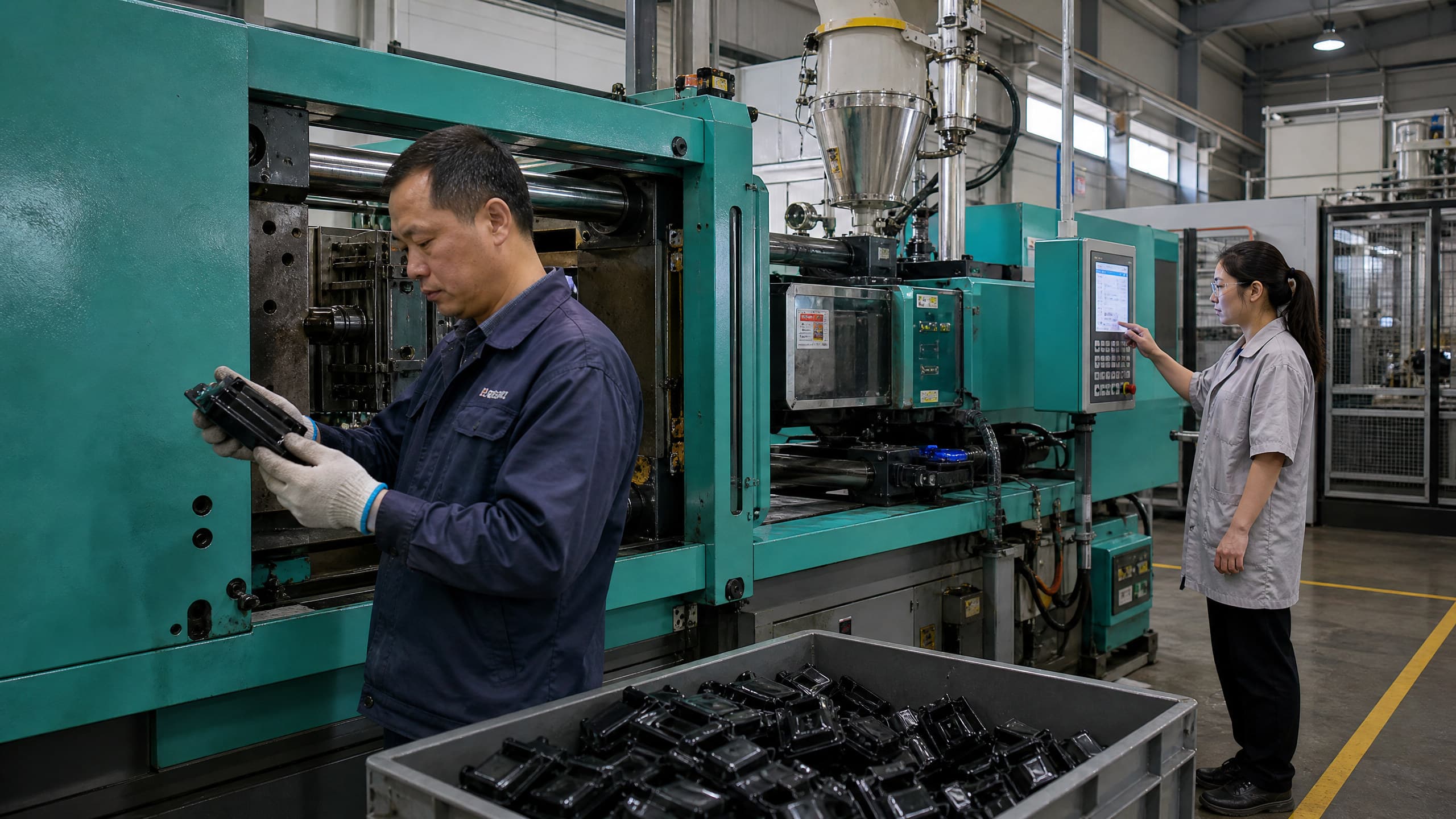
Select a route from the service case, not from a generic sustainability label. A drop-in or partly bio-based durable polymer may be worth screening when a familiar property profile and established end-of-life route are important. A bio-based polyamide route may be considered for technical parts when its grade-specific mechanical, moisture, chemical and thermal behavior suits the requirement. PLA or another bio-based biodegradable route may be screened for applications whose loading, heat exposure, impact demand and disposal assumptions are compatible with the nominated grade. These are screening routes, not guarantees of final-part performance.
The table is a buying aid for an early shortlist. It does not assign universal temperatures, tolerances, cycle times, costs or regulatory status. Those outcomes depend on the exact resin and additives, wall thickness and flow length, gate and cooling design, tooling, available machine and controls, processing window, production volume, use environment and customer specification. Ask the resin supplier and molder to state their assumptions before a route becomes a release candidate.
| Material route | Potential fit to investigate | Buyer evidence request before nomination |
|---|---|---|
| Bio-based PE, PP or equivalent durable route | Parts where the approved grade’s property profile, processing route and end-of-life plan fit the specified application. | Exact grade and formulation, declared bio-based-content basis, current technical data, approved color/additive package and substitution controls. |
| Bio-based polyamide | Technical housings, clips or other loaded parts only after the grade-specific moisture, chemical, impact, thermal and dimensional requirements are reviewed. | Conditioned and dry-as-molded data where relevant, reinforcement direction, proposed drying plan, chemical-exposure evidence and part-level validation proposal. |
| PLA or other bio-based biodegradable route | Products with an application-specific balance of stiffness, appearance, heat, impact and disposal requirements. | Named grade, intended-use limits, drying and processing guidance, heat/impact evidence for the part, and separate substantiation for any biodegradation claim. |
| Bio-based compound with fillers or modifiers | A component that needs a targeted property adjustment, subject to a review of flow, anisotropy, appearance and recyclability implications. | Full compound identity, filler or modifier disclosure as appropriate, data-sheet test conditions, lot traceability and written change-notification path. |
03
What should an RFQ require from a bio-based injection molding supplier?
Treat requirements and recommendations differently. Requirements are the controlled conditions for the buyer’s part: released drawing and revision, critical dimensions and their measurement method, cosmetic limits, functional loads, service environment, approved resin or allowed grade-change process, destination markets, volume profile, packaging, traceability and acceptance authority. Recommendations are the supplier’s proposed resin grade, gate concept, tool steel and surface treatment, runner approach, drying method, machine range, process-development plan and inspection approach. The quotation should visibly separate the two so that an assumption does not become an unapproved product requirement.
Request a grade-specific technical data sheet and processing guidance, resin source and lot traceability proposal, storage and drying controls, proposed machine and screw or plasticizing suitability, DFM feedback, mold-flow study where justified by risk, and a sample/trial plan. For shear-sensitive or moisture-sensitive alternatives, process handling cannot be inherited from a different resin without review. For example, NatureWorks states that its injection-molding PLA guide depends on drying procedures and that melt flow is highly dependent on melt temperature; it presents conditions as starting points that may need optimization.[4] Ask the supplier to state what will be recorded during trials and how deviations, purging and material changes will be managed.

04
How do geometry, tooling and production conditions affect approval?
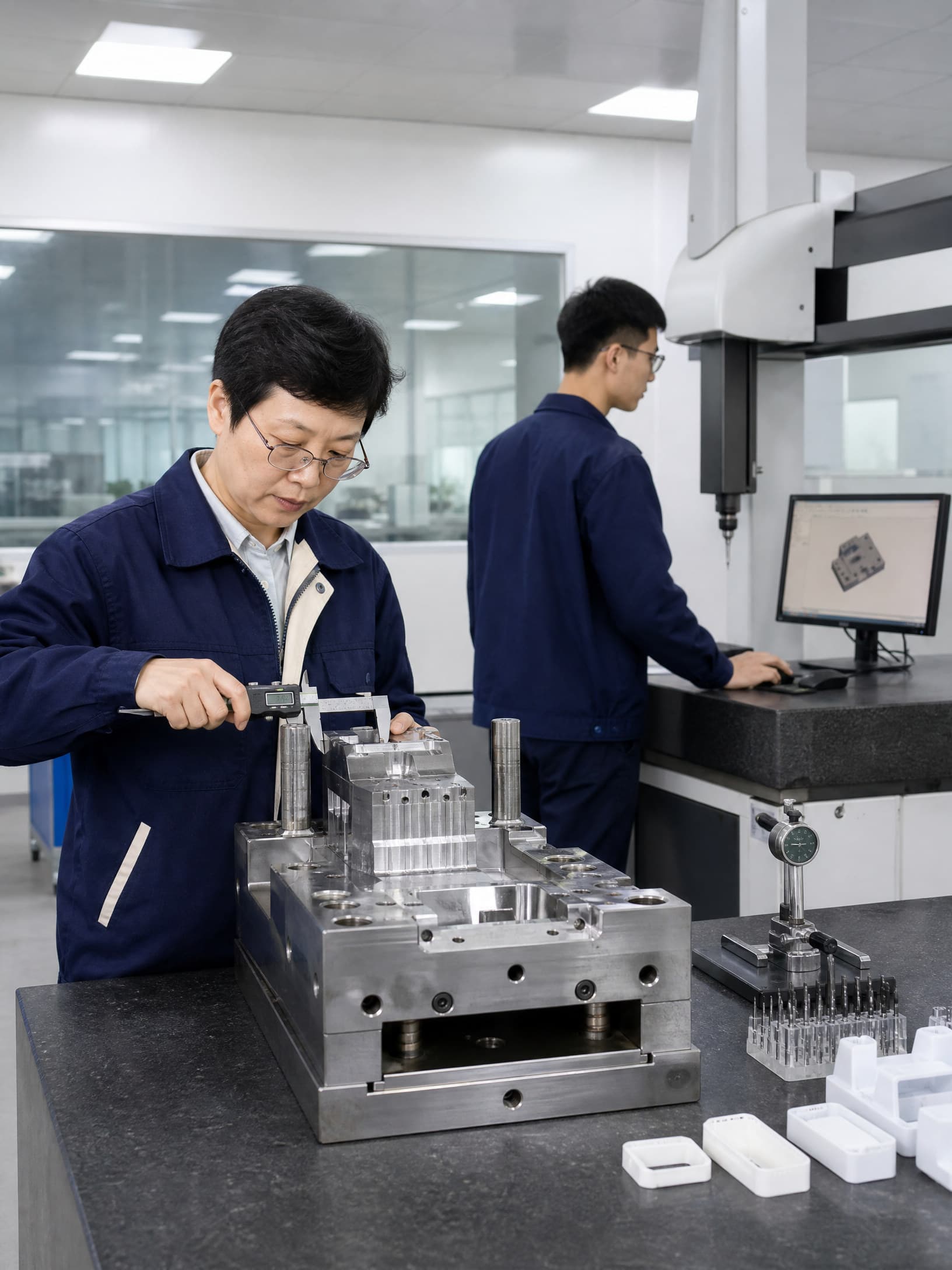
A data sheet is evidence about a controlled specimen and test method, not a blanket promise for the molded part. In the actual component, wall transitions, ribs, bosses, knit lines, flow length, gate location, fiber orientation, packing, cooling, shrinkage direction and post-molding conditioning may influence fit, warpage, surface appearance and functional behavior. The relevant review is therefore the proposed grade in the proposed geometry and mold concept, not only the resin family name. Identify interfaces that control assembly, sealing, motion or electrical clearance and put them in the part-level verification plan.
The machine and process plan should be appropriate to the grade, tool and volume. Confirm barrel and mold-temperature capability, drying equipment, residence-time and purge controls, pressure and temperature recording, cooling capacity, cavity balance where applicable, and the intended regrind policy. Do not approve a claimed cycle time or tolerance as universal. Establish trial conditions, conditioning time if relevant, sample quantity, measurement timing, functional tests and visual limits with the customer specification. A production-volume change, cavity expansion, material source change, formulation change or major process change should trigger the agreed re-review rather than automatic carryover approval.
05
What approval gates reduce material and claim risk?
Use a staged gate rather than a single material sign-off. At Gate 1, the buyer approves the intended use, critical requirements, named material candidate and claim wording to be evaluated. At Gate 2, engineering and the molder close feasibility risks around geometry, tooling, process capability and evidence gaps. At Gate 3, the parties review traceable trial samples against the agreed dimensional, visual and functional acceptance plan. At Gate 4, the designated product owner releases production only after the agreed records and any customer-specific documents are complete. The depth of each gate should match the consequence of failure and the maturity of the product.
Regulated or controlled applications require an application-specific evidence route. For EU plastic food-contact materials, Regulation (EU) No 10/2011 sets requirements for specified materials and articles and calls for a written declaration of compliance at non-retail stages; it also requires renewal when substantial composition or production changes affect migration.[3] That does not make every bio-based grade suitable for every food-contact, medical, electrical, toy or other regulated application. Name the applicable market requirement, the responsible legal or technical reviewer, the exact grade and article scope, and the acceptance evidence before making a claim or shipping product.
Practical takeaway
Before you move
to the next review.
- Define the part’s load, temperature, fluid, humidity, UV, electrical, cosmetic and end-use conditions before comparing bio-based material routes.
- Name the proposed resin grade, formulation, color, reinforcement, data-sheet revision and any allowable substitute; require written approval for changes.
- Ask suppliers to state the basis and scope of any bio-based-content claim, with a relevant test or certification record where the customer requires one.
- Request a grade-specific DFM and process plan covering drying, machine and tooling capability, trials, lot traceability, inspection and deviation control.
- Set documented approval gates for feasibility, trial samples, part-level dimensional and functional evidence, customer-specific requirements and production release.
FAQ
Common questions
Are bio-based plastics biodegradable?
Not necessarily. Bio-based describes a renewable biological feedstock origin, while biodegradation is a separate behavior linked to chemical structure and the conditions of a particular environment. Specify any biodegradation requirement, test method, environment and claim scope separately; do not infer it from a bio-based percentage alone.[1]
Can conventional injection molding equipment process bio-based resin?
Some grades can be processed on conventional equipment, but compatibility is grade- and process-specific. Confirm the material supplier’s instructions for drying, melt and mold conditions, shear and residence-time sensitivity, purging, screw or plasticizing suitability, tooling temperature control and quality controls. The proposed geometry, machine, tool and production volume can change the practical result.[4]
How should a buyer verify a bio-based-content claim?
First define the claim boundary: resin, compound or finished article, and whether the percentage refers to carbon or total mass. Then request the grade identity, method, result, issuer, date and lot or formulation applicability. ASTM D6866 is a radiocarbon-analysis method for measuring biobased carbon content, but it does not establish environmental impact, performance or regulatory fitness for the part.[2]
Does a supplier material declaration approve the finished molded part?
No. A supplier document may support identification of the grade or formulation, but final suitability also depends on the use environment, design, molded condition, additives, processing history, assembly and applicable customer or market requirements. Agree the part-level validation and release owner before production, especially for controlled applications.
References
Source material
- [1] [1] European Bioplastics — What are bioplastics?
- [2] [2] ASTM International — ASTM D6866, biobased carbon-content test methods
- [3] [3] EUR-Lex — Commission Regulation (EU) No 10/2011 on plastic materials and articles intended to come into contact with food
- [4] [4] NatureWorks — Ingeo Biopolymer 3251D Injection Molding Process Guide
This guide is general information for early procurement and engineering discussion. It does not replace product-specific DFM, qualification, validation, regulatory assessment or legal advice.