
A mold can remain commercially important long after the original tool build and first sample approval. It may be stored between programmes, receive corrective work, move to another molder or support a product revision. Buyers who manage each event in isolation can lose the link between the physical asset, the approved part definition and the right to make decisions about both. A more durable approach is an asset passport: one controlled record that follows the tool through production, service, storage and any move.
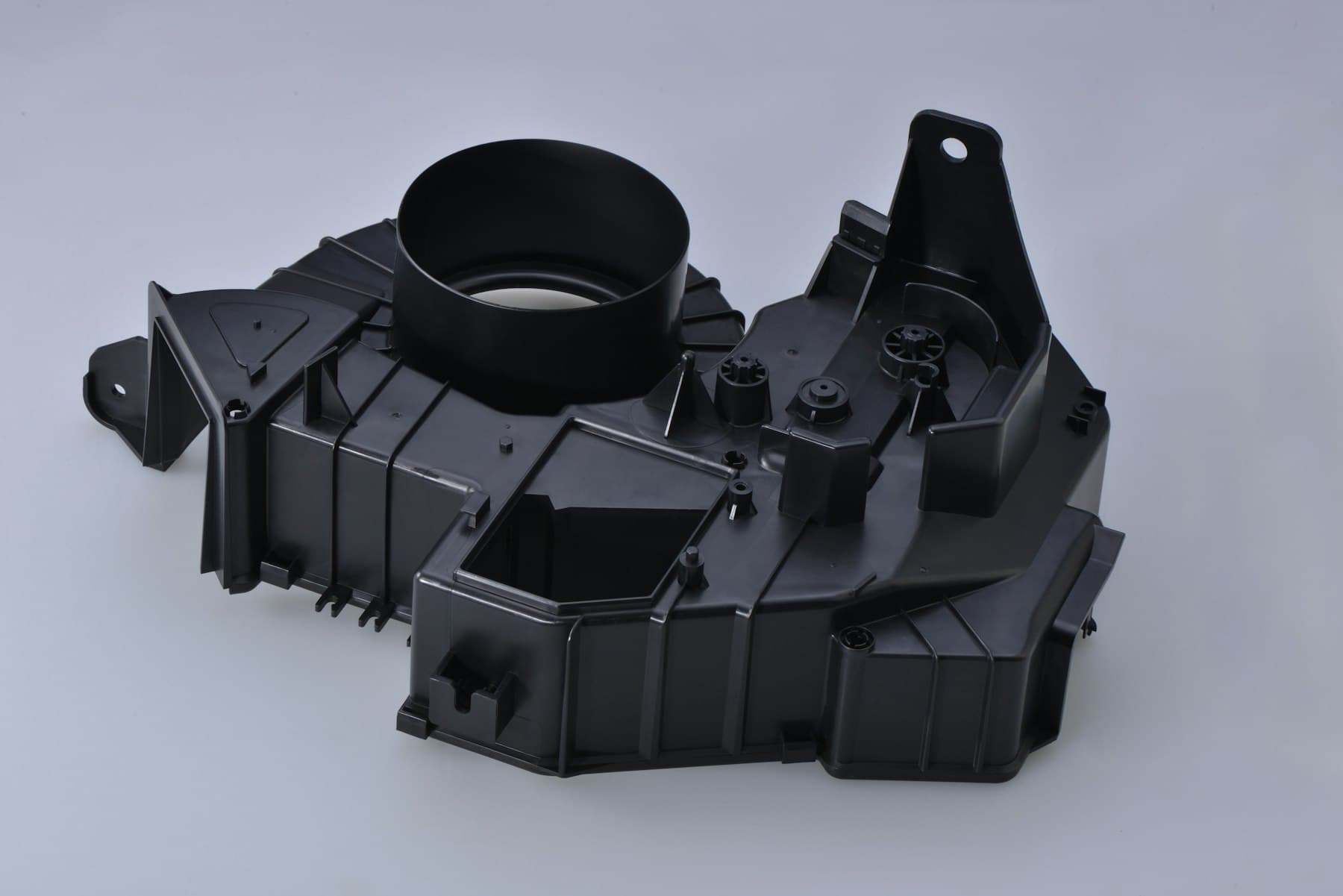
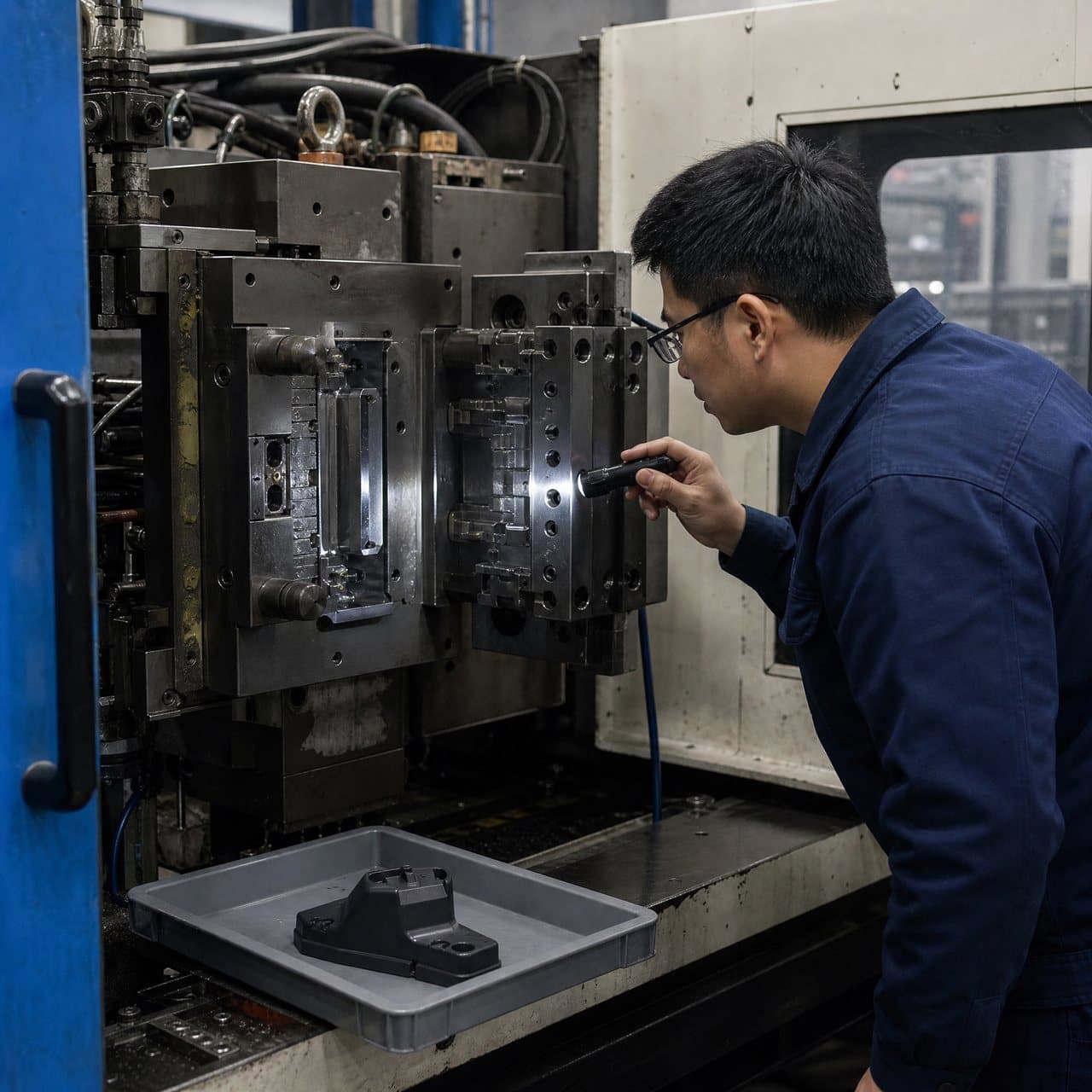
This guide focuses on procurement decisions and evidence, rather than prescribing a universal technical service interval. It is suitable for buyers coordinating toolmakers and molders across Europe, North America or the Middle East. The buyer should obtain appropriate legal, customs, insurance, product-quality and regulatory advice for the jurisdictions and products involved. Images on this site are illustrative and are not evidence of a particular tool condition, supplier capability or approval result.
The key question is not whether work was called maintenance, repair or transfer. It is whether the work changed the controlled asset or the evidence needed to use it with confidence.
01
Start with a tool asset passport before production becomes routine
Ask for an asset passport at tool acceptance, not only when a dispute or transfer is imminent. Link a unique asset ID and physical marking to the part number, tool and part revisions, cavity or insert configuration, included loose components, location, condition photographs and relevant trial or inspection references. The passport does not replace a contract, drawing or validation plan; it makes the relationship between them traceable.
The commercial record should distinguish title, custody and control. Injection mold ownership concerns the agreed property interest; custody identifies who physically holds the asset; control establishes who may run it, authorise service, inspect it or instruct release. Confirm rights to files, access, return, audits and the treatment of unpaid charges in a jurisdiction-appropriate agreement. During design review, link the approved CAD and drawing revision, material direction, CTQs and cosmetic zones to the asset record. UNCITRAL notes that the CISG does not determine the effect of a contract on property, so a tooling arrangement needs specific terms.
| Passport element | Buyer decision | Evidence to retain |
|---|---|---|
| Asset identity | What exactly is included: base, cavities, inserts, hot-runner items, gauges or spares? | Asset schedule, permanent ID where agreed, dated inventory and photographs. |
| Technical baseline | Which part and tool revisions, material direction and acceptance references govern the tool? | Controlled files, revision register, trial or inspection references and open-action log. |
| Commercial control | Who owns, holds, may use, inspect, service and release the asset? | Executed agreement, authorised-contact list and documented release route. |
| Condition history | What has been observed, serviced, repaired or changed since baseline? | Dated maintenance and intervention log with scope, findings and approvals. |
02
Select lifecycle support by comparing the supplier's decision system
Compare more than whether a provider can store or run a mold. Give candidates the same lifecycle questionnaire and ask for a redacted service-log example. Test asset identification, revision control, routine-work limits, emergency escalation, tool-specific manuals and spare-part handling, and the records that accompany a released tool. Compare written scope and exceptions, not only a bundled service price.
For injection mold maintenance, request a tool-specific trigger proposal rather than an unsupported universal shot count. It can consider resin and filler direction, moving features, part symptoms, production exposure, cooling history and idle periods. A preventive plan should say what is inspected, what is recorded, who sees an exception and what happens next. Agree buyer-facing deliverables, language, units, format, retention period and permissions for photographs or audits before placing the order.
| Supplier-selection question | Stronger buyer signal | Comparison warning |
|---|---|---|
| What does routine service include? | A written boundary for inspection, cleaning, lubrication, preservation, records and escalation. | A blanket statement that all maintenance is included without a task list or approval limit. |
| How are exceptions handled? | A proposal showing symptom, affected area, condition evidence, proposed action, cost authority and timing impact. | A promise to fix anything necessary without identifying who may approve geometry-affecting work. |
| Can the tool be transferred? | A documented inventory, packing and release process plus receiving-site review support. | A freight-only answer with no plan for loose items, condition evidence or data handover. |
| How is continuity protected? | A controlled asset record linked to tool and part revisions and a named escalation contact. | Records that identify only a customer name or an informal tool nickname. |
03
Classify every intervention before authorising cost or production restart
Classify proposed work before authorising it. Injection mold maintenance is agreed routine care intended to inspect, clean, lubricate or preserve the approved asset without changing its controlled form. Injection mold repair addresses a documented defect, wear condition or damage and may restore function. Injection mold modification intentionally alters a controlled feature, material path, surface or mechanism. Injection mold refurbishment is a broader planned renewal that may combine replacements, surface work and functional checks. The likely effect, rather than the label, determines the evidence required.
The authorisation should identify the observed condition, asset and cavity or position where relevant, proposed scope, parts to be replaced, cost basis, schedule effect and whether material is added or removed. For urgent asset protection, use a defined financial limit, notification route and evidence-retention requirement. Match restart evidence to the affected requirement: like-for-like work away from part-forming surfaces may need normal start-up controls, while work on cavities, gates, cooling, ejection or cosmetic surfaces may justify targeted samples, measurement, visual comparison or assembly review. A repair record does not by itself prove product acceptance.
| Intervention route | Typical buyer approval question | Evidence before normal output |
|---|---|---|
| Maintenance | Does the defined routine scope leave the approved tool form unchanged? | Service log, condition findings and agreed start-up record. |
| Repair | What failed, what was restored and which part characteristics could be affected? | Repair record plus targeted review proportionate to the possible effect. |
| Modification | What controlled tool or product feature is intentionally changing, and who owns the design decision? | Written change approval, revision control and agreed trial or acceptance evidence. |
| Refurbishment | Which wear items, surfaces or mechanisms are renewed, and does the combined scope alter the baseline? | Refurbishment plan, component inventory, condition comparison and defined restart decision. |

04
Plan the mold transfer as two evidence handoffs, not one shipment
An injection mold transfer has a dispatch handoff and a receiving handoff. Before dispatch, confirm release rights, freight authority, an itemised inventory, condition at handover, loose components, packing, insurance and relevant import or export responsibilities. Record accessible condition and exceptions rather than making a general claim that the tool is perfect. For cross-border moves, allocate customs classification, declared value, Incoterm and local compliance responsibilities with qualified advisers and freight parties.
At the receiving site, compare the physical asset with the passport, record discrepancies and review intended compatibility with the press, auxiliaries, material preparation, handling, measurement and quality plan. Compatibility is a review question, not an assumption based on similar equipment or prior output elsewhere. Use a defined trial to answer a stated question, such as setup, preservation recovery, a critical interface or a controlled production route. Delivery of the tool and approval for normal output are separate milestones.
| Transfer gate | Buyer should confirm | Practical record |
|---|---|---|
| Release to carrier | Authority to release, itemised contents, observed condition, packing and freight responsibility. | Signed inventory, condition images, exception list, shipment reference and document index. |
| Receipt | Asset identity, shipping damage, loose items, documents and unresolved discrepancies. | Receiving inspection, discrepancy log and acknowledgement of the technical baseline received. |
| Setup review | Planned machine and auxiliary compatibility, material direction, safety procedures and proposed evaluation scope. | Receiving-site assessment, assumptions list and trial plan. |
| Return to use | What evidence supports the defined use, who approves it and which restrictions remain? | Controlled trial or inspection record, decision status and open-action ownership. |
05
Keep the lifecycle record decision-ready after the move
After a move, update the passport with the custodian, location, receipt condition, work performed, contacts, next maintenance trigger and use restrictions. Retain earlier service and change history alongside receiving-site records so later symptoms can be understood in context. Control the record so superseded drawings, material directions or visual standards are not treated as current merely because they travelled with the tool.
For procurement, price custody and storage, routine care, diagnosis, parts, repair, modification, refurbishment, restart work, freight support and documentation as separate scopes. Issue a one-page passport and intervention request form with the RFQ or service agreement, require suppliers to mark gaps, and test the release section against an alternate site before a move becomes urgent.
Practical takeaway
Before you move
to the next review.
- Create a controlled asset passport that links the physical mold, included components, revisions, condition evidence, location and authorised contacts.
- Put title, custody, permitted use, inspection, service approval and release rights into a jurisdiction-appropriate written agreement.
- Compare lifecycle suppliers using the same written questionnaire, service-log format, approval limits and transfer-handoff requirements.
- Classify proposed work as maintenance, repair, modification or refurbishment before authorising cost, then match restart evidence to the part-specific risk.
- Plan transfer as dispatch and receipt gates with inventory, condition record, document index, receiving review and a defined decision before normal production resumes.
FAQ
Common questions
What is the minimum evidence a buyer should request before accepting a transferred mold?
Start with the asset passport, current part and tool revisions, itemised inventory, dispatch condition record, maintenance and intervention history, available component documentation, material direction and the current acceptance references. At receipt, compare the physical asset and records, record discrepancies and agree a receiving review or trial purpose. The appropriate evidence for normal production depends on the product, the tool condition, the receiving process and applicable requirements.
Can a supplier perform emergency repair without buyer approval?
Only within a written emergency authority. It should define the situation, financial limit, actions allowed to protect the asset, notification timing, evidence to retain and the point at which work must stop for buyer approval. If the work could change a controlled tool or product feature, use the agreed change and release route rather than treating urgency as automatic approval.
Does owning the mold mean the buyer automatically owns every drawing and process record?
Not necessarily. Physical-tool title, custody, tool drawings, CAD, process instructions, component manuals and supplier know-how can be treated differently by contract and applicable law. Identify the deliverables, permitted uses, confidentiality obligations, file formats and release timing during sourcing. Seek qualified legal advice for the relevant jurisdictions and cross-border arrangement.
References
Source material
- [1] United Nations Commission on International Trade Law, United Nations Convention on Contracts for the International Sale of Goods
- [2] Society of Plastics Engineers, Injection Molding Division
- [3] Pioneer Plastics, Injection Mold Tooling Maintenance Guide
- [4] Harris Sliwoski, The Guide to Molds and Tooling in International Manufacturing
This guide is general information for early procurement and engineering discussion. It does not replace product-specific DFM, qualification, validation, regulatory assessment or legal advice.