
An injection mold design consultation should give a buyer more than general geometry advice or a supplier assurance that the part can be made. Its practical output is a controlled decision package: the CAD revision reviewed, the intended resin and production assumptions, the proposed way to form and release the part, the compromises that need customer approval, and the evidence to examine before tool release. That package lets engineering, procurement and the eventual molding team compare the same scope.
For overseas programs, this discipline is especially useful. It reduces the chance that a quotation, a tool layout and a later sample are based on different interpretations of a cosmetic face, interface, material direction or demand profile. The consultation is not product validation and it cannot guarantee a production result. It is an early, documented way to expose choices while changes to the part are still easier to assess.
The deliverable to buy is a decision record tied to a named part revision, not a generic statement that the design is manufacturable.
01
What is the buyer actually purchasing in a design and DFM consultation?
The useful scope begins with inputs, not tooling promises. A supplier should identify the CAD and drawing revision, resin grade direction if known, forecast or program phase, critical interfaces, cosmetic zones, preferred surface treatment, target markets and any assembly or inspection constraints supplied by the buyer. If an input is unavailable, it should be logged as an assumption rather than silently converted into a tooling decision. This provides a common basis for comparing supplier feedback across Europe, North America and the Middle East.
From there, injection mold engineering translates product intent into a preliminary manufacturing route. It normally considers mold opening direction, core and cavity allocation, parting and shutoff areas, gate candidates, runner approach, vents, ejection, cooling access, undercuts, inserts and possible cavity strategy. These are connected choices, not a catalog of independent checks. For example, moving a gate may affect appearance, filling pattern and packing; changing a draw direction may affect draft, parting surfaces and side-action need. The consultation should say what is proposed, why it was considered, and what trade-off remains for the buyer to decide.
| Consultation output | What a buyer should be able to see | Why it matters before purchase order release |
|---|---|---|
| Review basis | Named CAD or drawing revision, input list, material direction and clearly labelled unknowns. | Prevents a quote, layout or sample from being judged against an untracked version. |
| Tool concept | Marked views showing proposed draw direction, parting approach, gates, ejection areas and actions or inserts where relevant. | Makes the manufacturing route reviewable without requiring the buyer to prescribe tool construction. |
| Decision and risk log | Issue, affected feature, proposed action, consequence, owner and decision status. | Separates accepted compromises from unresolved technical or commercial questions. |

02
How should plastic mold design feedback be presented?
Ask for annotated evidence rather than a long list of red, yellow and green flags. A useful plastic mold design review points to the actual face, section or interface in the model; describes the mechanism of concern; shows a practicable alternative where one exists; and states what may change if the recommendation is accepted. A thin region, abrupt wall transition, restricted release path or cosmetic conflict becomes actionable only when the product team can locate it and understand the consequence for fit, appearance, tool complexity or evaluation at trial.
The marked package should also distinguish advice from a release decision. Published design guidance explains why wall consistency, draft and feature intersections matter to filling, cooling, ejection and visible quality, but broad rules of thumb do not establish values for every resin or part. Request the supplier's part-specific reasoning and retain the item as open where material grade, texture, load, mating parts or acceptance criteria are not final. This avoids treating a preliminary recommendation as a hidden change to the product specification.
| Issue category | Evidence to request | Buyer decision to record |
|---|---|---|
| Geometry and release | Section or model image with draft direction, undercut or shutoff location, and the proposed resolution. | Whether geometry, opening direction or a tooling action is acceptable. |
| Surface and flow | Show-surface map with candidate gate, parting, vent and ejection zones; note any area requiring further analysis. | Which visual evidence is acceptable, and which faces are no-go zones. |
| Functional interface | Datums, mating-part context, critical dimensions and a suggested measurement or trial check. | What function must be demonstrated and under which agreed condition. |
03
Which topics belong in an injection mold DFM and tool-concept review?
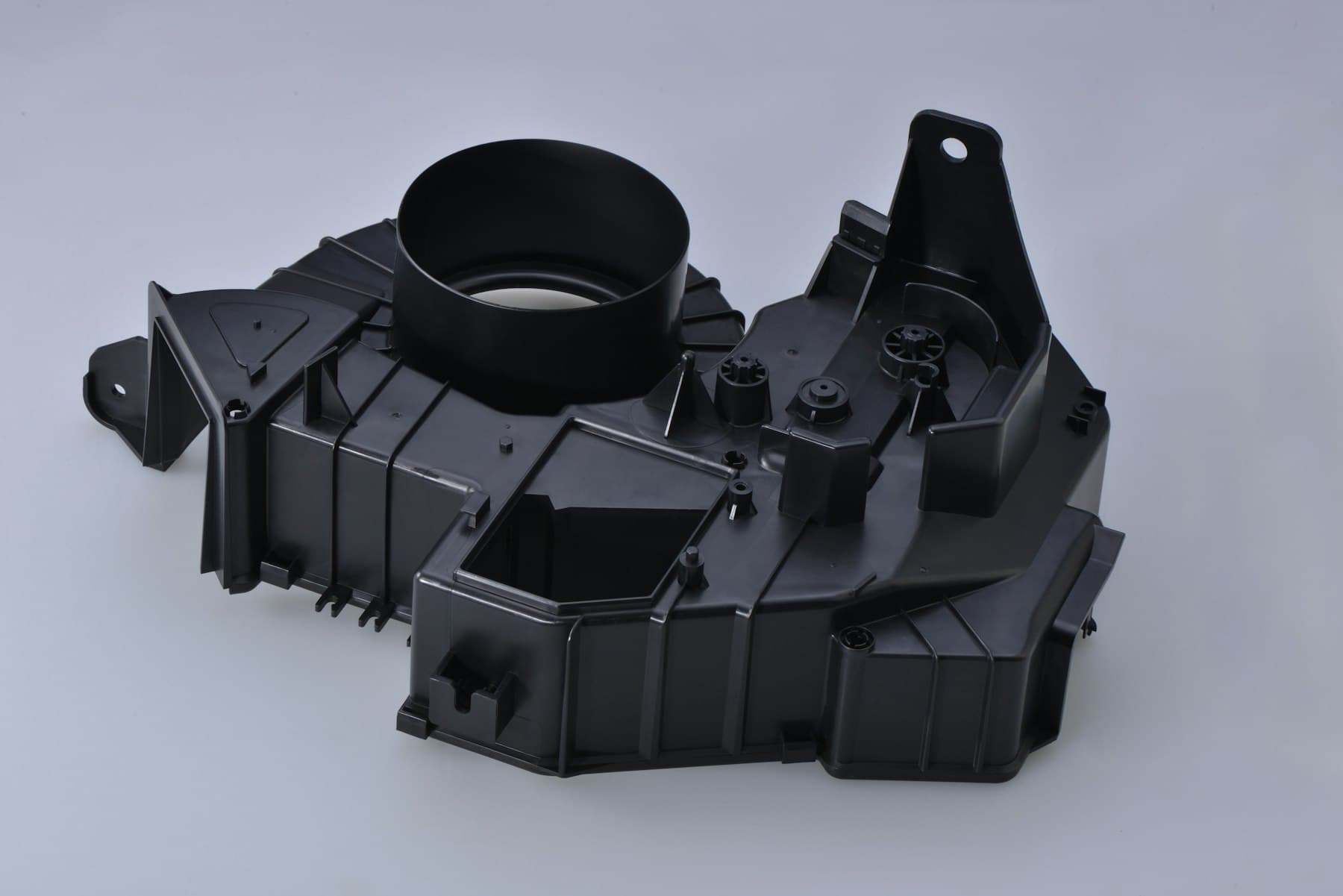
A credible injection mold DFM review links part geometry to the intended molding route. It should address nominal and changing wall sections, ribs and bosses, radii, draft, hole and thread features, undercuts, parting surfaces, gate and runner candidates, venting, ejection support, insert loading where applicable, cooling considerations, resin shrinkage direction and cavity assumptions. It should also name the high-priority interfaces: sealing lands, fastening features, snap fits, cosmetic panels, labels, electrical or mechanical keep-outs and surfaces that will be measured or assembled. Not every topic will be critical for every part, but omissions should be visible rather than assumed away.
Buyers should distinguish a tool concept from a final manufacturing guarantee. Early layouts can identify likely side actions, inserts, gate zones or ejection constraints; they may change as material data, detailed tool design, simulation, machining strategy and trials progress. If a supplier proposes flow simulation or other analysis, request the model revision, material data and boundary assumptions used, the specific question being assessed, and the limitations of the result. Use analysis as decision support alongside engineering judgment and later sample evidence, not as a substitute for part-specific qualification.
04
How do you compare suppliers using a mold design DFM review?
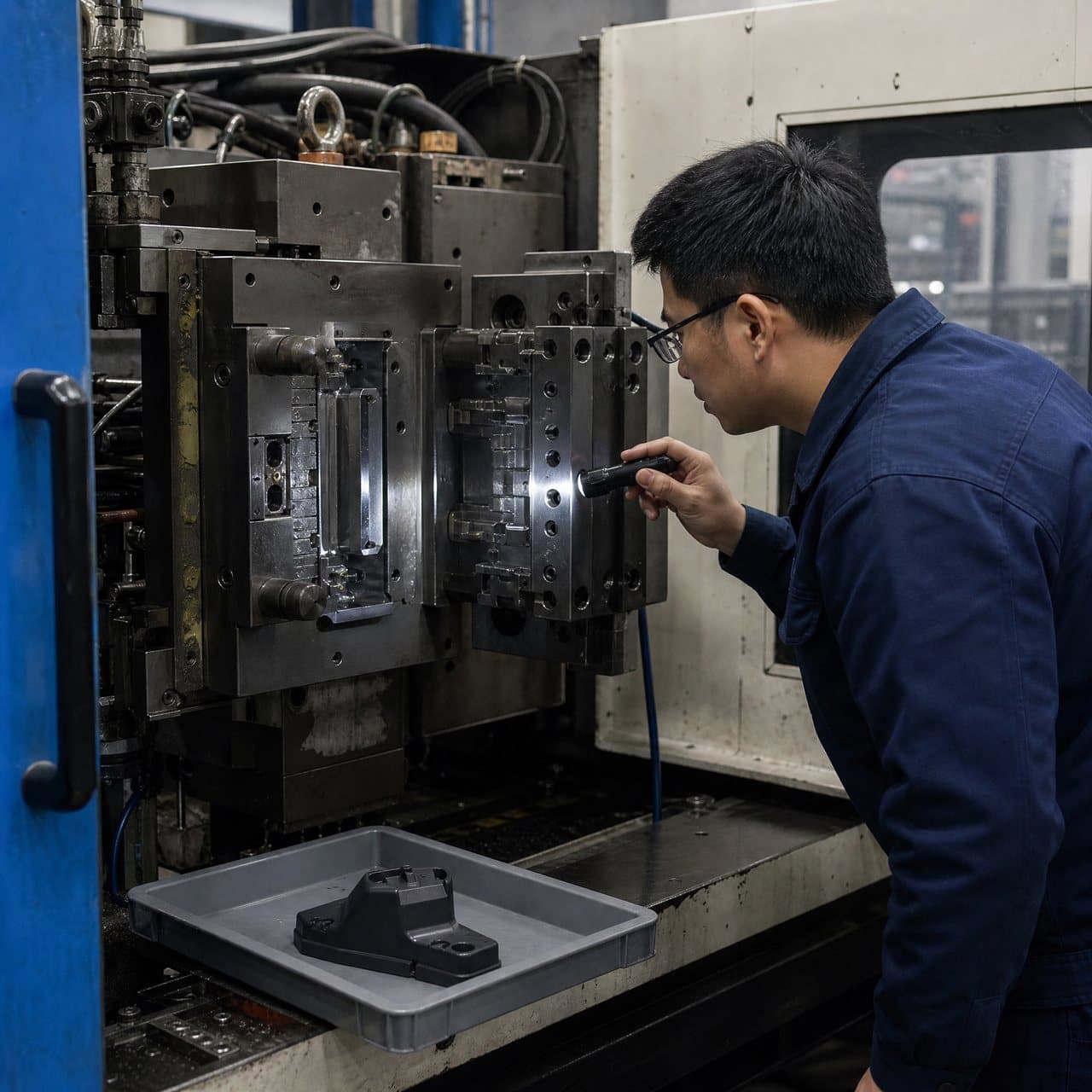
A mold design DFM review is a useful procurement comparison only when each supplier receives the same controlled input pack. Give each reviewer the same revision, material direction, expected demand phases, cosmetic classification, critical-to-function dimensions, mating information, product-market requirements and list of open questions. Then normalize the response before comparing price: cavity assumption, runner route, tooling actions, sample scope, quality evidence, change process and commercial exclusions can all make two apparently similar offers materially different.
Evaluate the quality of the review itself. A strong response identifies assumptions and ranks issues by consequence; it does not create alarm through a long generic checklist. Look for traceability between the issue log and annotated CAD views, alternatives that preserve the part's function where possible, and a clear statement of what needs buyer approval. Ask the supplier to identify the three decisions most likely to change tool content, part acceptance or later modification. This is more informative than asking for an unqualified assurance of moldability.
The final handoff should be a short approval route. It should state the reviewed revision, accepted changes, deferred items, supplier-owned engineering actions, buyer-owned decisions, information still needed, and the criteria that will be checked at the next gate. Depending on the program, that next gate may be tool-design approval, simulation review, a trial plan, first-sample assessment or a functional assembly check. Keep a change log if the CAD, resin grade, texture, gate zone or critical dimension changes, because each can alter earlier DFM conclusions.
Practical takeaway
Before you move
to the next review.
- Send one controlled CAD or drawing revision, a revision history, material direction, demand phases and the real assembly context.
- Mark critical interfaces, cosmetic faces, permissible gate and ejection zones, sealing surfaces and dimensions that govern function.
- Require annotated CAD views, a tool-concept summary, an assumptions list and an issue log with owner, consequence and status.
- Compare supplier reviews on matched scope before comparing price, especially cavities, runner route, actions, sample evidence and exclusions.
- Approve a decision record and define the next evidence gate; reopen the review when geometry, resin, surface requirements or acceptance criteria change.
FAQ
Common questions
Is a DFM consultation the same as final tool design approval?
No. A consultation is an early engineering review that identifies likely tooling choices, risks and decisions from the information then available. Final approval should follow the agreed program controls and may require a more detailed tool design, confirmed material data, analysis, sample evidence or other product-specific work. The buyer should record which conclusions are preliminary and what will close each open item.
Should a supplier provide a flow simulation with every consultation?
Not necessarily. A simulation can be useful when it addresses a defined question, such as candidate gate location, end-of-fill behavior or a geometry concern. Its value depends on the model, material data and assumptions. Request it when the program risk justifies it, and ask for those inputs and limitations to be stated. A simulation result does not by itself prove final part performance or acceptance.
What should procurement ask for if the design is still changing?
Ask for a staged review. Freeze a named revision for the first consultation, list uncertain requirements and identify decisions that are safe to defer. Require the supplier to distinguish changes that remain straightforward from those that could affect tool concept, cost, timing or sample evidence. When a revised model is issued, request a focused update that states which prior conclusions remain valid and which require reconsideration.
References
Source material
- [1] Protolabs, Design for Moldability Toolkit
- [2] Covestro, Part and Mold Design: Thermoplastics, A Design Guide
- [3] Plastics Industry Association, AR-106 Mold Finish Guide
This guide is general information for early procurement and engineering discussion. It does not replace product-specific DFM, qualification, validation, regulatory assessment or legal advice.